The short answer
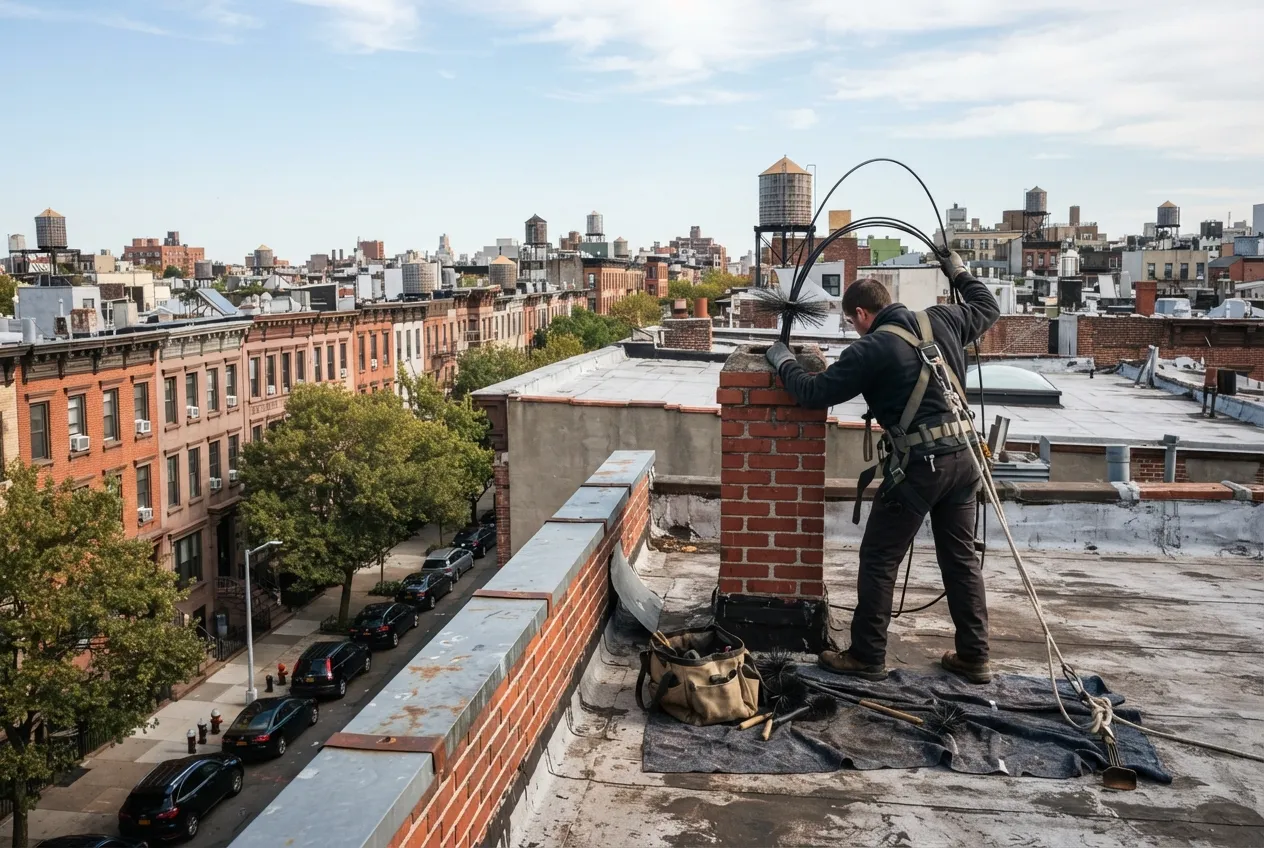
Parkville homes often need a new chimney liner after an oil-to-gas boiler conversion, or when an aging clay tile flue has cracked or deteriorated. ClearStack inspects the chimney first, then installs a liner matched to your furnace, boiler, water heater or fireplace.
A chimney liner is the channel inside your chimney that carries smoke and exhaust gases out of the house and protects the surrounding masonry from heat and corrosion. In Parkville, many homes are older detached houses, two-family homes, rowhouses and pre-war apartment buildings whose original clay tile liners have cracked, shifted or worn away after decades of use. Others have been through a boiler conversion that the existing flue was never designed to handle. ClearStack Chimney Service installs chimney liners throughout Parkville from our office in Dyker Heights, about 2 miles southwest. Our certified technicians inspect the flue first, explain what they find, and recommend a liner sized and built for the appliance it will serve.
Why Parkville Homes Need New Liners
Most chimneys in this part of Brooklyn were built with clay tile liners or with no liner at all. Over many heating seasons, heat cycles, moisture and freeze-thaw weather crack the tiles and wear down the mortar joints between them. Once that happens, exhaust can leak into the masonry and, in some cases, toward the living space.
The other common reason is fuel conversion. When a New York City building converts its boiler from oil to gas, the chimney has to be evaluated as part of the work. A new liner is often needed because gas exhaust produces acidic condensate that can corrode a masonry flue. Many Parkville houses and small apartment buildings have gone through this change, and the chimney is sometimes the part that gets overlooked.
Signs Your Liner May Need Attention
Some liner problems are only visible with a camera, but there are warning signs homeowners and building owners can watch for:
- Pieces of broken tile or flaky masonry collecting at the base of the chimney or in the cleanout
- White staining, damp spots or crumbling brick on the chimney's exterior or on interior walls near the flue
- A boiler or water heater that was recently switched from oil to gas without a chimney evaluation
- Exhaust odors in the basement or near the appliance
- A new furnace, boiler or water heater that is a different size than the one the flue was built for
How We Install a Liner
Every job starts with an inspection. The NFPA 211 standard calls for chimneys, fireplaces and vents to be inspected once a year, and it describes three levels. A Level 2 inspection, which includes a camera scan of the flue, applies when the system changes, such as a new appliance or a switch of fuel, or when the home is sold. That is usually the right starting point before relining.
Next, we measure the flue and confirm what appliance will vent through it. Liner size matters: a liner that is too large or too small for the appliance can draft poorly and allow more condensation. We then recommend a liner type, such as a stainless steel liner for gas or oil heating appliances, or a different system when a wood-burning fireplace or an unusual flue shape calls for it.
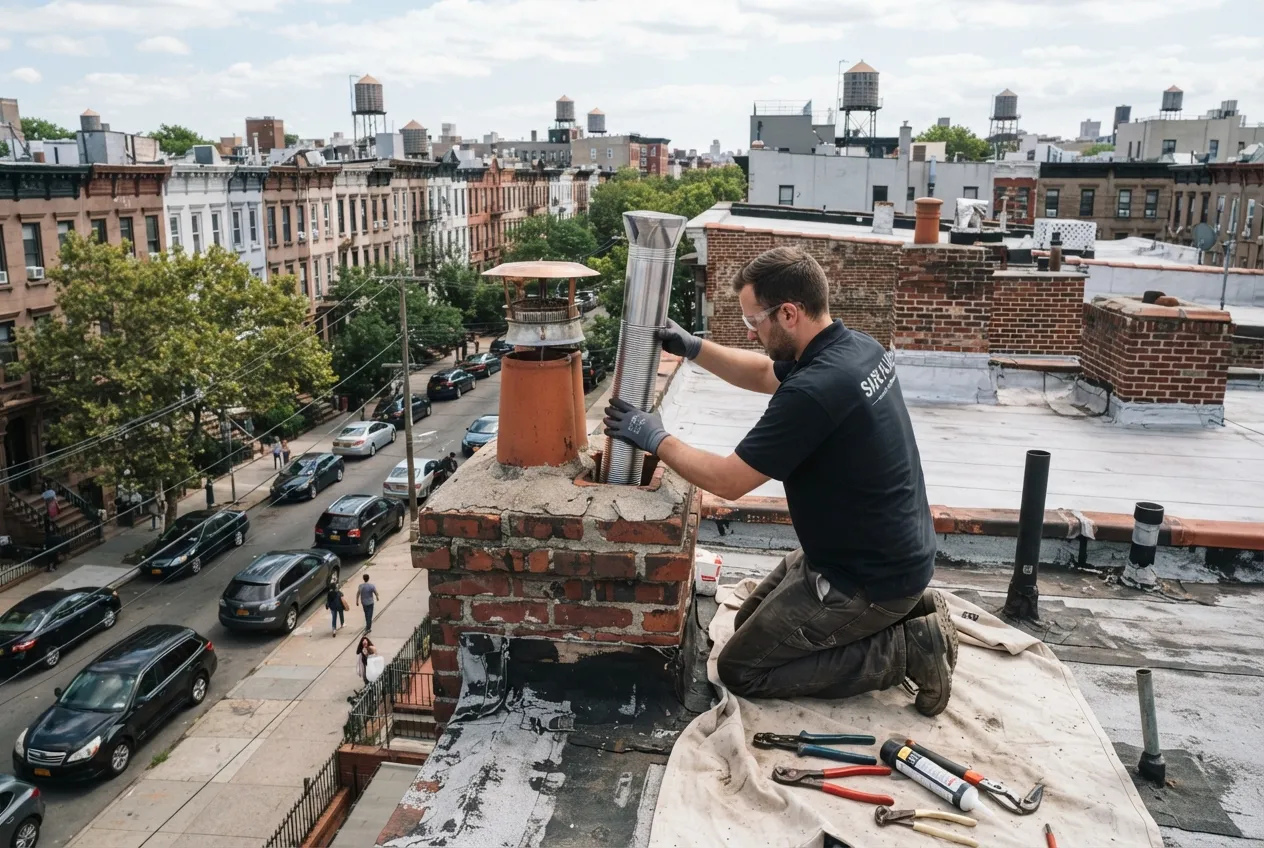
On installation day, we protect the work area, clean the existing flue, lower the liner from the roof, connect it to the appliance at the bottom and finish the top with a cap. We walk you through the work when we are done and point out anything else we noticed along the way.
Time for your annual chimney check?
Timing Around Heat Season
New York City's heat season runs from October 1 through May 31, when building owners must keep apartments heated to the city's minimum temperatures. If you own a two-family house or a small apartment building in Parkville, a liner problem discovered in winter can put you in a hard spot. Scheduling an inspection and any relining work in late spring or summer gives you time to plan without pressure on your tenants or your heating system.
Serving Parkville and Nearby Neighborhoods
Parkville sits close to our Dyker Heights base, so getting to your home is straightforward. We also install chimney liners in nearby Ditmas Park, Kensington, Midwood, Mapleton and Borough Park, where housing ranges from detached homes to rowhouses and pre-war apartment buildings with similar chimney concerns.
More services in Parkville
- Chimney Sweep in Parkville
- Chimney Inspection in Parkville
- Chimney Repair in Parkville
- Air Duct Cleaning in Parkville