The short answer
Air duct cleaning is worth doing in a Parkville home when there is substantial visible mold, signs of rodents or insects, or heavy dust and debris inside the ducts. ClearStack inspects first and cleans only when the condition of the system calls for it. We also clean dryer vents, which matter more for fire safety.
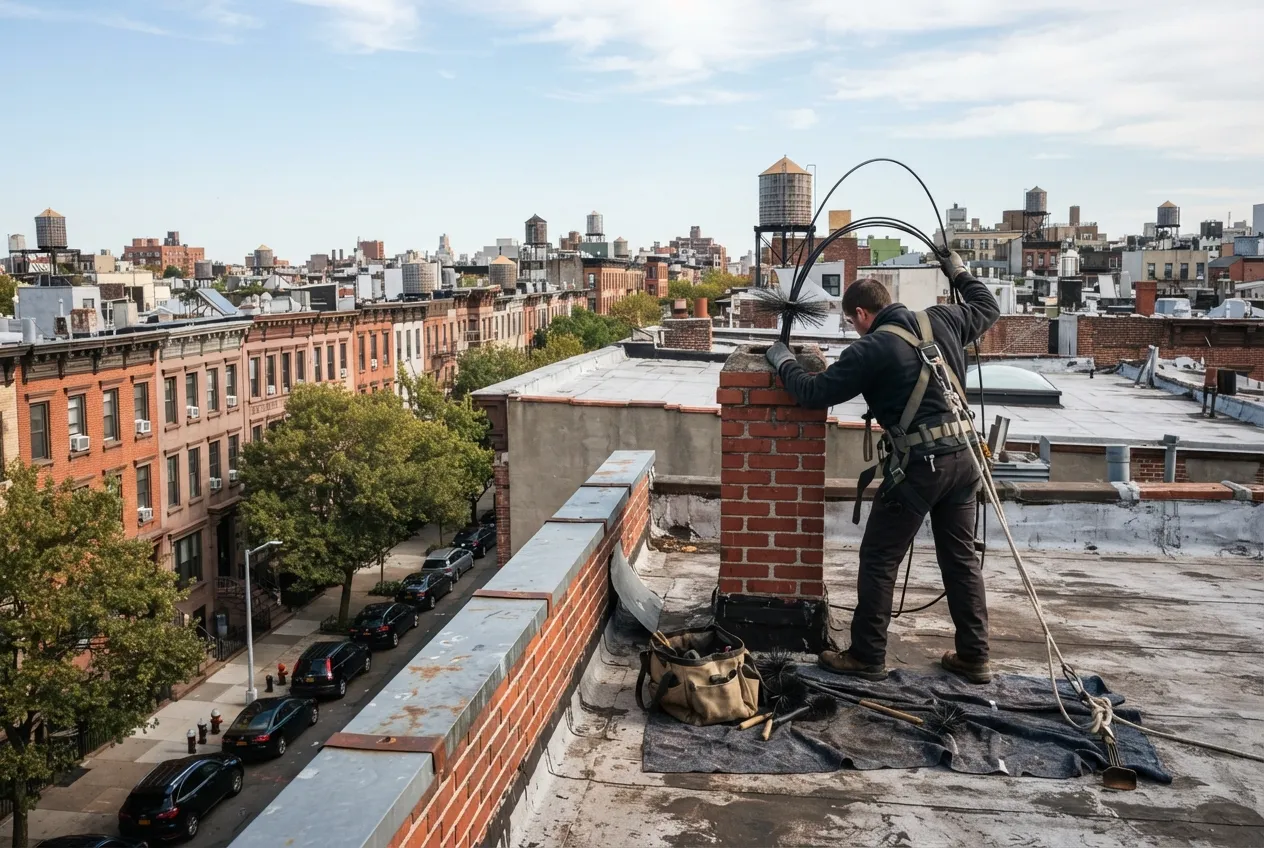
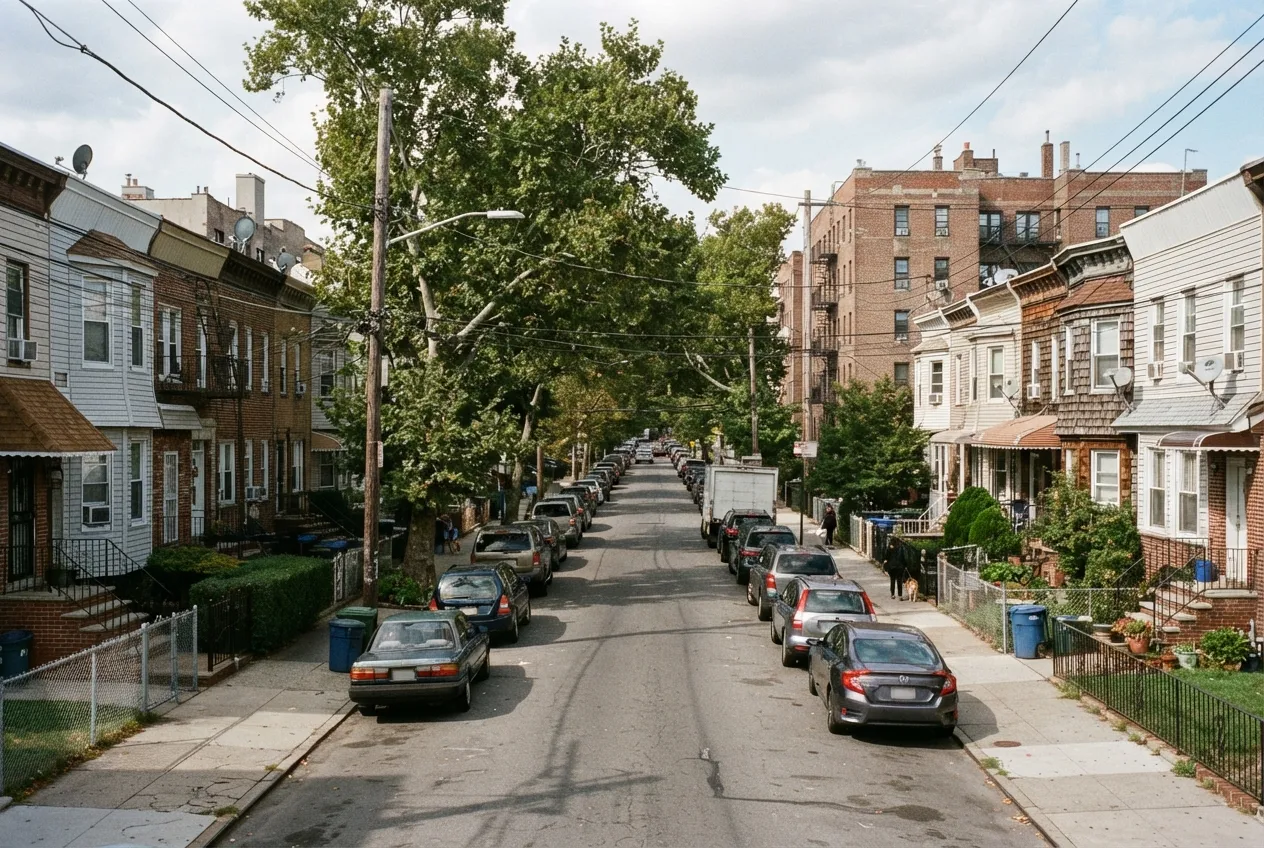
Parkville homes range from detached and semi-attached houses to rowhouses and pre-war apartment buildings, and the ductwork inside them varies just as much. Some houses have forced-air heating that runs most of the year. Others had central air added decades after they were built, and some have only a short run of exhaust duct. ClearStack Chimney Service is based in Dyker Heights, about 2 miles southwest of Parkville. Our certified technicians start by looking inside your ducts and telling you plainly whether cleaning will help. If it won't, we'll say so.
When Parkville homeowners should clean their ducts
The U.S. Environmental Protection Agency recommends air duct cleaning for three main conditions: substantial visible mold growth, vermin, or excessive dust and debris. The EPA also notes that duct cleaning has not been shown to prevent health problems. We follow that guidance. We won't promise better health or lower bills, because the evidence doesn't support those claims.
In older Brooklyn houses, these conditions often follow particular events. Common examples include a gut renovation where plaster dust got into open registers, mice in a basement where the main trunk line runs, or a damp cellar where moisture has reached the ductwork. If any of these sound familiar, an inspection is a reasonable next step.
- Mold you can see on duct surfaces, registers, or inside the air handler
- Droppings, nesting material, or insects inside the ducts
- Dust or debris that blows out of supply registers when the system starts
- Construction dust left over from renovation work
- A musty smell that gets stronger when the heat or air conditioning runs
How Parkville's housing affects the work
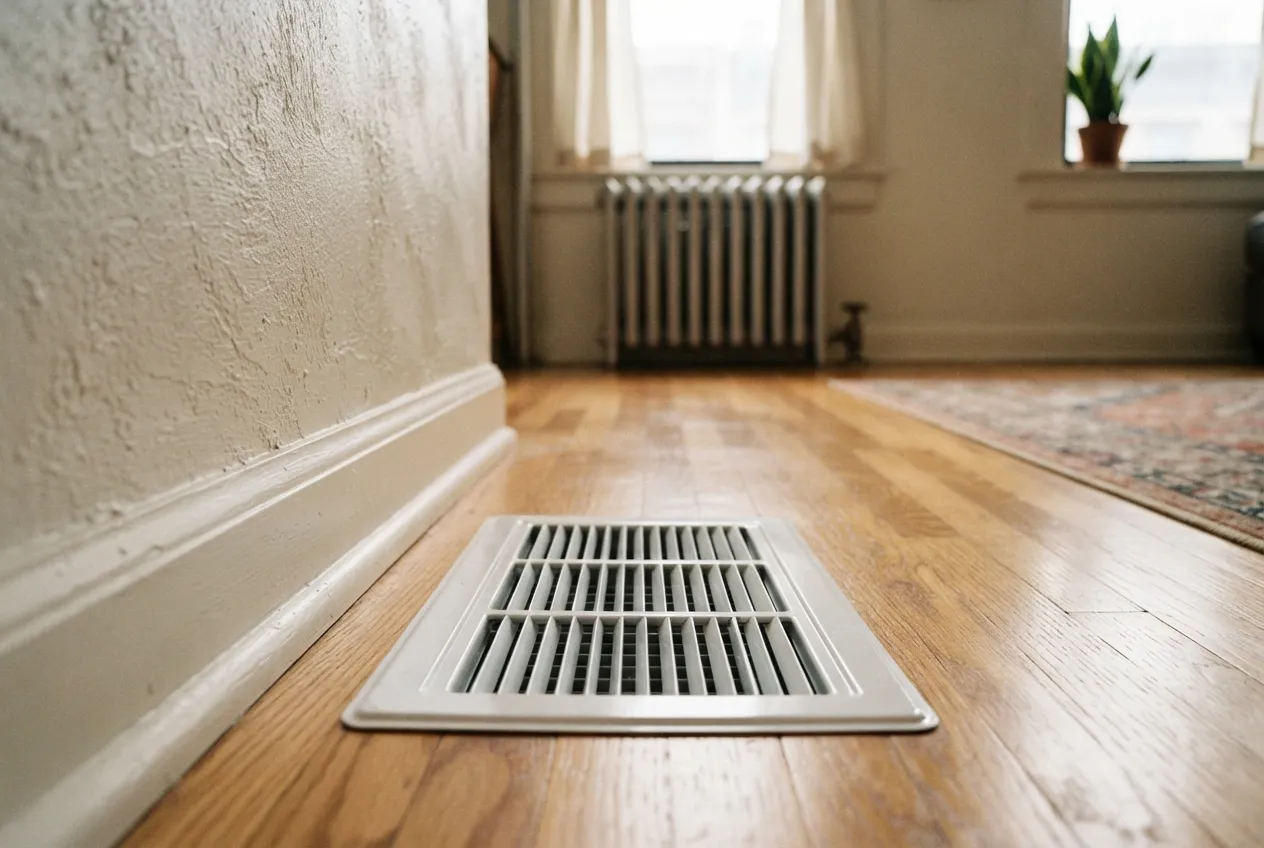
Detached and two-family houses in the neighborhood often have a furnace or air handler in the basement. A main trunk line in these homes usually branches up through the walls to each floor. These systems tend to have the most ductwork, and the most places for dust and debris to collect.
Rowhouses and brownstones that had central air added later often have ducts running through attics, closets, or dropped soffits. These runs can be tight, flexible, or hard to reach, so we look at the layout before choosing tools. In pre-war apartment buildings, heat usually comes from radiators. Duct work there is often limited to bathroom and kitchen exhaust or a unit-level air conditioning system. We'll tell you what is actually in your home and what it needs.
What a ClearStack duct cleaning visit includes
The EPA advises homeowners to research the process before responding to very cheap advertised offers. Here is what our process involves, so you can compare.
- A camera inspection of the main lines and several branches, with images you can see
- A clear recommendation: clean, wait, or address a separate problem first, such as a moisture leak
- Covering floors and furniture, then sealing registers before cleaning
- Negative-pressure collection equipment and agitation tools to loosen and remove debris
- Cleaning of registers, grilles, and accessible parts of the air handler
- A walkthrough of the results when the work is finished
Time for your annual chimney check?
Chemical treatments and what we avoid
The EPA urges caution with chemical biocides and sealants inside ductwork. We don't apply chemical treatments as a routine add-on. If mold is present, the first priority is finding and fixing the moisture source. Spraying over the growth without fixing the cause usually means it comes back. If a treatment seems warranted, we'll explain what it is and why, and the decision is yours.
Dryer vents deserve attention too
According to the U.S. Fire Administration, failure to clean is the leading factor contributing to home clothes dryer fires. In Brooklyn homes, dryer vents often run long distances through basements or exterior walls, and lint builds up out of sight. Warning signs include clothes that take more than one cycle to dry, a dryer that gets very hot, or a burning smell. We can clean your dryer vent during the same visit as your ducts.
Scheduling around heat season
New York City's heat season runs from October 1 through May 31. For homes with forced-air heat, late summer or early fall is a practical time to have ducts inspected, before the system runs every day. We serve Parkville along with nearby Ditmas Park, Kensington, Midwood, Mapleton, and Borough Park.
More services in Parkville
- Chimney Sweep in Parkville
- Chimney Inspection in Parkville
- Chimney Repair in Parkville
- Chimney Liner Installation in Parkville