The short answer
Under the NFPA 211 standard, Parkville homeowners should have their chimney, fireplace, and vents inspected once a year, and more thoroughly when they change appliances, switch fuel, or sell the home. ClearStack's certified technicians perform Level 1, 2, and 3 inspections throughout Parkville and nearby Brooklyn neighborhoods.
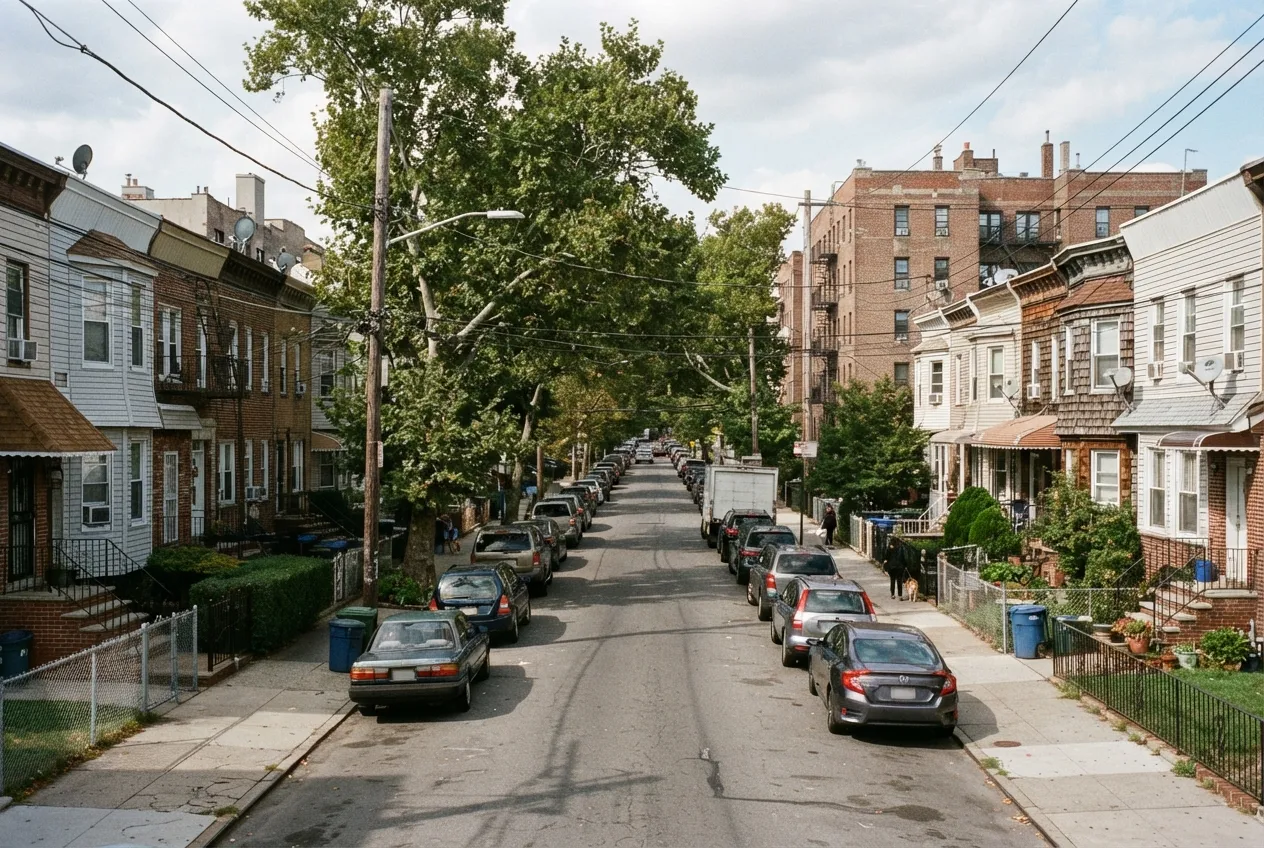
Parkville sits about 2 miles northeast of our Dyker Heights office, so it's a short trip for our certified technicians. Homes here include attached rowhouses, two-family houses, detached homes, and pre-war apartment buildings, and many of them have masonry chimneys that have vented boilers, furnaces, water heaters, or fireplaces for decades. A chimney can look fine from the sidewalk while the flue inside is cracked, blocked, or corroded. An inspection tells you what condition the chimney is actually in, whether it suits the appliance connected to it, and what needs attention before you rely on it through the heating months.
Why a yearly inspection matters in Parkville homes
The NFPA 211 standard calls for chimneys, fireplaces, and vents to be inspected once a year. That applies whether you burn wood in a fireplace a few times each winter or your chimney quietly vents a gas boiler every day. Older masonry chimneys in Brooklyn deal with freeze-thaw cycles, settling, and years of exhaust, all of which can open gaps in mortar joints and flue tiles.
Timing matters too. New York City's heat season runs from October 1 through May 31, and during those months building owners must keep apartments heated to the city's minimum temperatures. If you own a two-family house or a small apartment building in Parkville, a heating system that has to shut down mid-winter because of a chimney problem leaves tenants without heat. Scheduling your inspection before October gives you time to handle repairs without that pressure.
The three inspection levels and which one you need
Chimney professionals use three levels of inspection. We'll recommend the right one based on your situation and explain why before any work begins.
- Level 1: For chimneys where nothing has changed since the last inspection. We examine the readily accessible parts of the chimney, the fireplace or appliance connection, and the flue for obstructions, buildup, and visible damage.
- Level 2: Needed when the system changes, such as a new boiler or water heater, a switch from oil to gas, or when the home is sold. This is more detailed and typically includes a camera inspection of the flue's interior.
- Level 3: Used when a hidden hazard has to be reached by opening part of the chimney or the building. This is uncommon and only recommended when an earlier inspection points to a serious concern that can't be evaluated otherwise.
Oil-to-gas conversions and chimney liners
Many Parkville homes and apartment buildings have moved, or are planning to move, their boilers from oil to gas. When a New York City building converts its boiler from oil to gas, the chimney has to be evaluated as part of the work. A new liner is often needed because gas exhaust produces acidic condensate that can corrode a masonry flue over time.
If you're planning a conversion, bring us in early. A Level 2 inspection shows whether the existing flue can handle the new appliance or whether it needs to be relined, so you and your heating contractor can plan the job without surprises. If your conversion is already done and the chimney was never checked, an inspection is a sensible next step.
Time for your annual chimney check?
What we look for during a Parkville chimney inspection
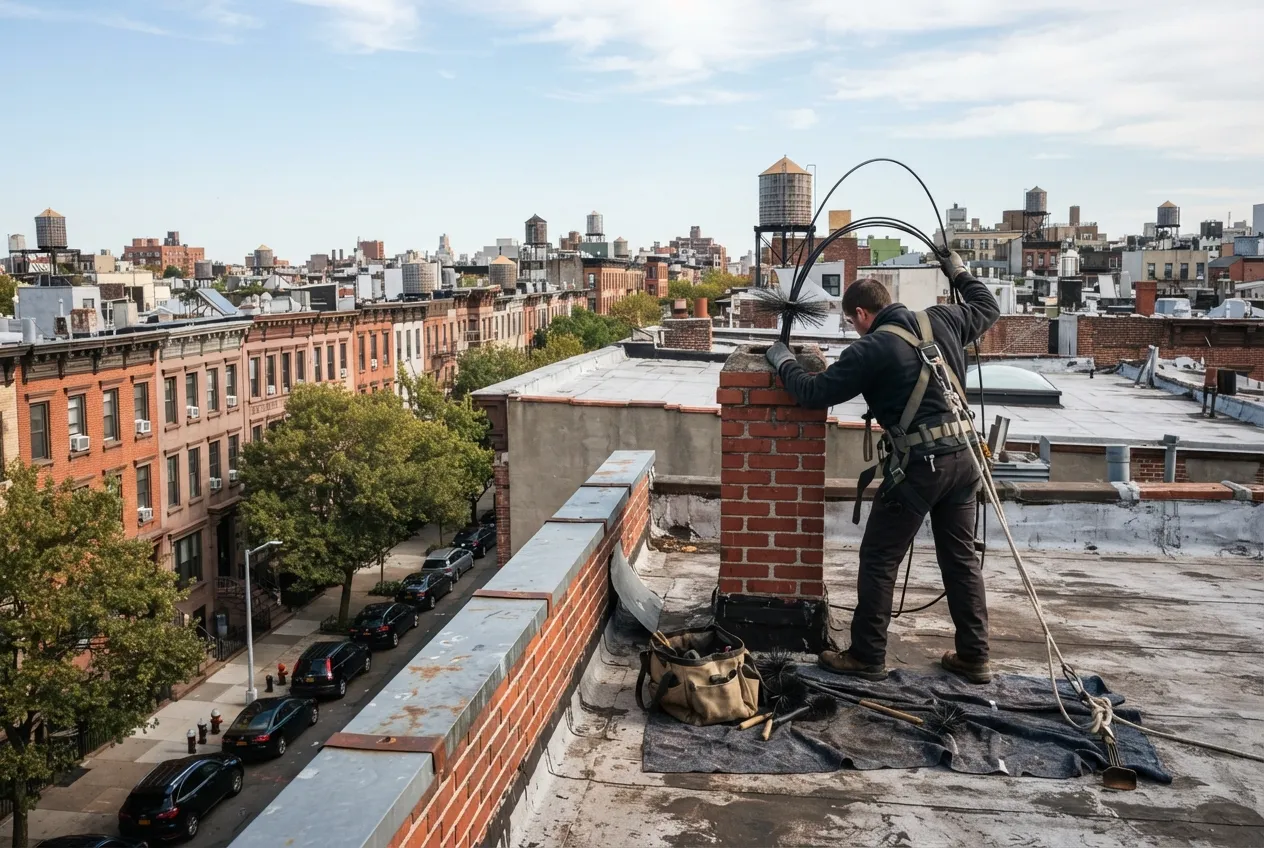
Every chimney is different, but our technicians check the same core areas on each visit and document what they find. You'll get a clear explanation of the chimney's condition, with photos when we use a camera, and a plain description of any repairs we recommend.
- Blockages from debris, bird or animal nests, or fallen masonry
- Creosote and soot buildup in fireplace flues
- Cracked, missing, or deteriorated flue tiles and liners
- Mortar joint and brick condition on the chimney exterior
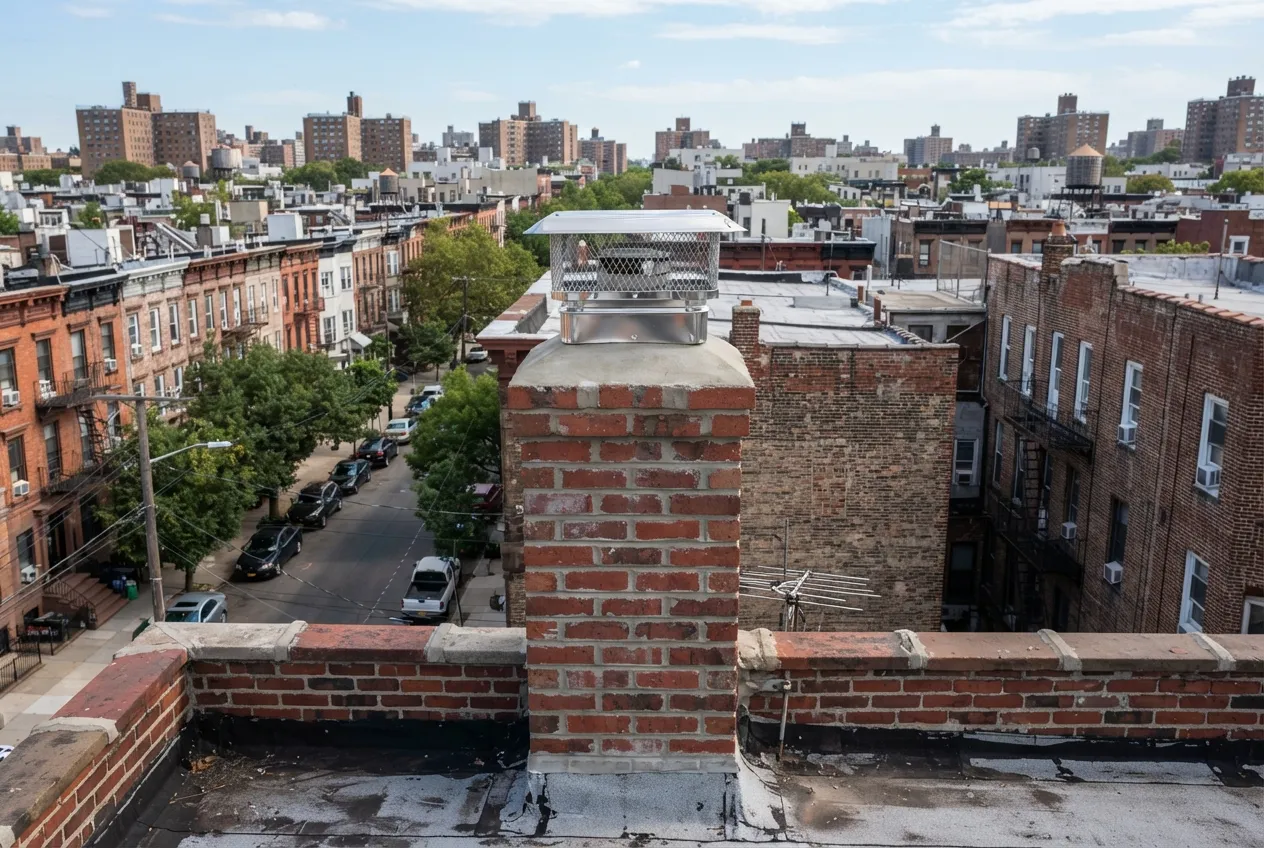
- Chimney cap, crown, and flashing where the chimney meets the roof
- The connection between your boiler, furnace, or water heater and the flue
- Signs of water entry, such as staining, rust, or efflorescence
Serving Parkville and nearby Brooklyn neighborhoods
Along with Parkville, we inspect chimneys in Ditmas Park, Kensington, Midwood, Mapleton, and Borough Park. Whether you own a detached home, a rowhouse, or a pre-war apartment building, we'll work around your schedule and explain our findings in plain terms. If you're buying or selling a home in the area, ask about a Level 2 inspection so everyone knows the chimney's condition before closing.
More services in Parkville
- Chimney Sweep in Parkville
- Chimney Repair in Parkville
- Air Duct Cleaning in Parkville
- Chimney Liner Installation in Parkville