The short answer
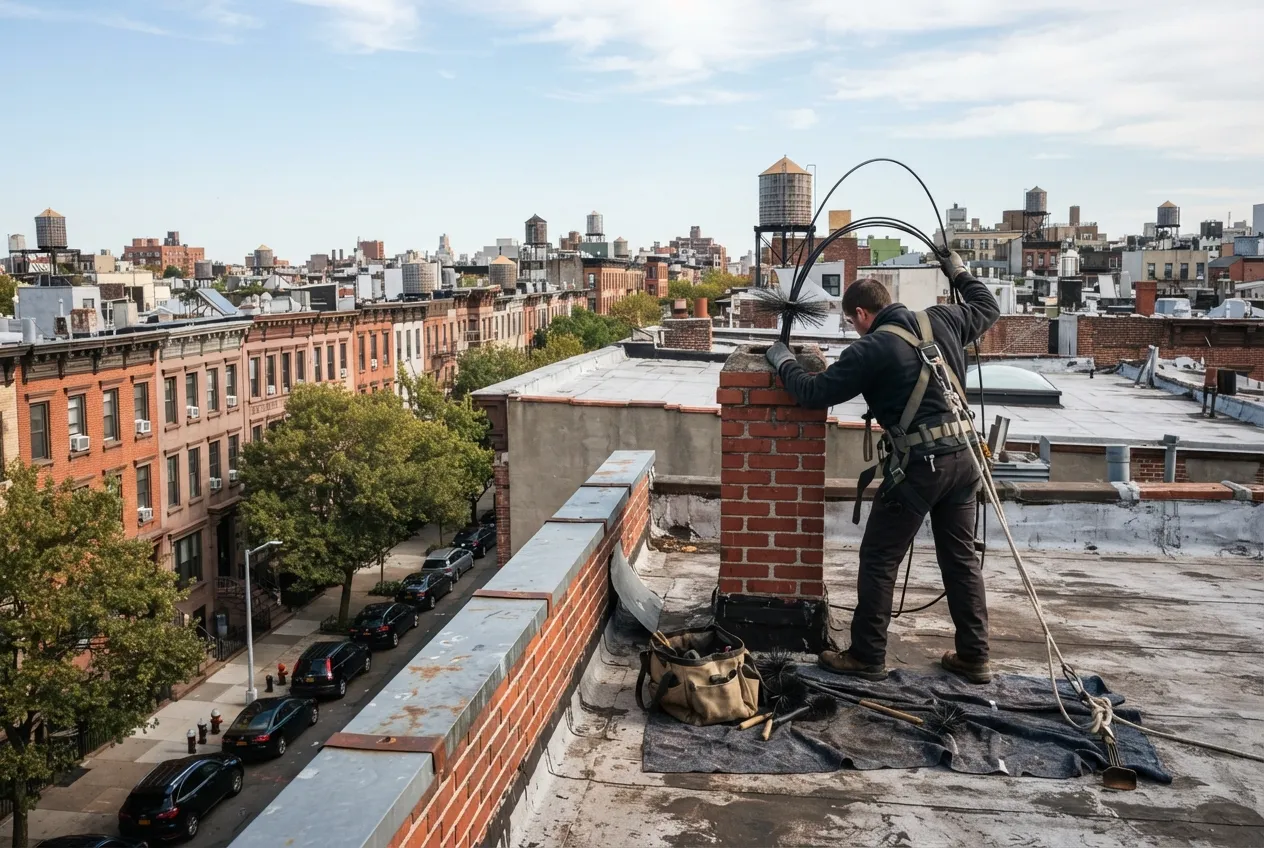
Kensington chimneys often need a new liner when old clay tiles crack or when a boiler is converted from oil to gas, because gas exhaust creates acidic condensate that corrodes masonry. ClearStack inspects the flue, sizes a liner to your appliance and installs it from the roof, ideally outside the October-to-May heat season.
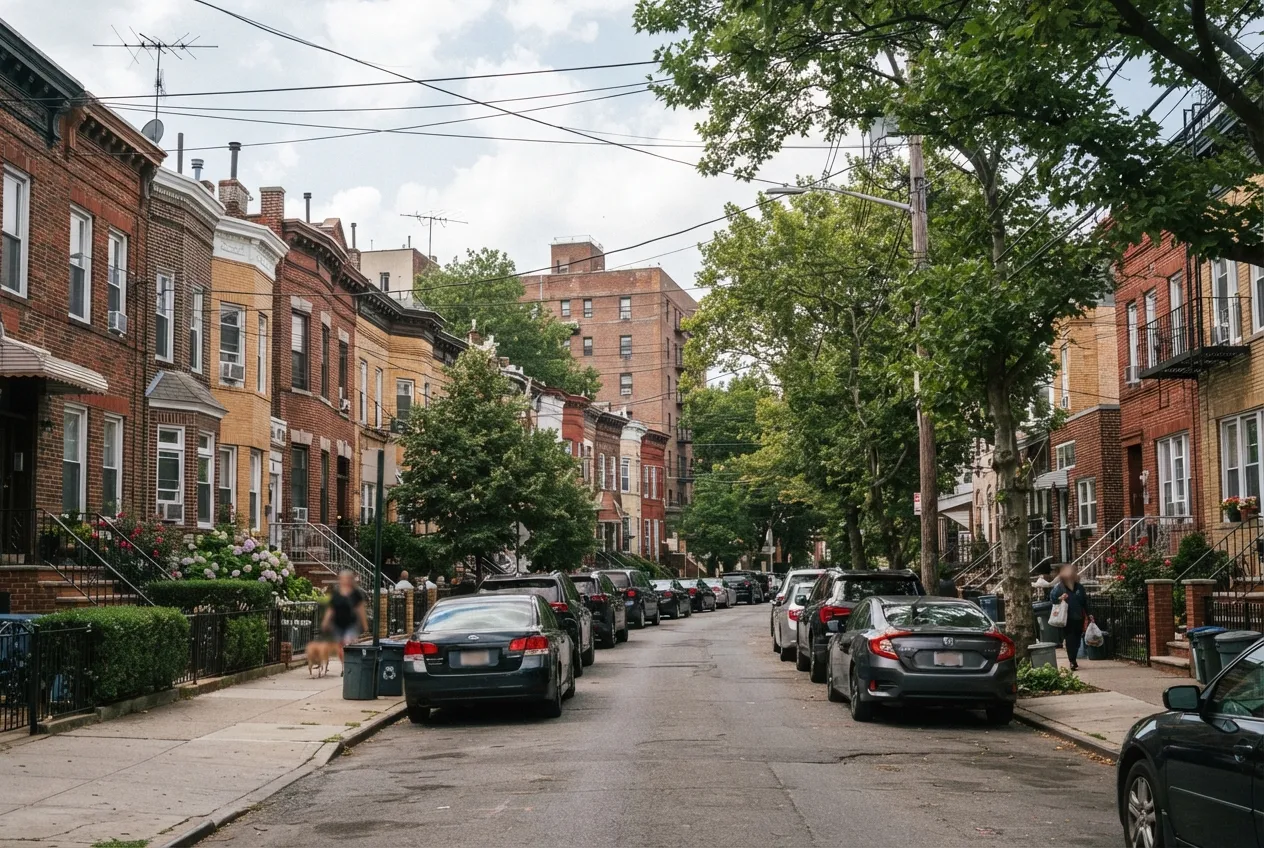
Kensington has a mix of detached frame houses, attached rowhouses and pre-war apartment buildings. Many of their chimneys were built long before today's heating equipment. A liner is the protective channel inside the chimney that carries exhaust out of the house and keeps heat and acidic condensate away from the brick and mortar. ClearStack Chimney Service installs and replaces chimney liners for homes and buildings throughout Kensington and ZIP code 11218, about two miles northeast of our Dyker Heights office.
What a liner does in an older Kensington chimney
In many older homes the flue is lined with clay tile, and in some it is bare masonry. Over decades, tiles crack, joints open up and mortar washes out. Exhaust can then reach the brick. In a chimney that vents gas appliances, the moisture in that exhaust condenses and slowly eats at the masonry. A cracked or missing liner can also let heat move toward wood framing and let combustion gases seep into living space.
A properly sized liner fixes those problems by giving exhaust a smooth, continuous path to the top of the chimney. Sizing matters. A flue that is too large for a modern, efficient boiler or water heater can cool the exhaust too quickly, which leads to poor draft and more condensation.
These signs often point to a damaged liner:
- Pieces of clay tile or flaking masonry falling into the cleanout or firebox
- White staining or damp patches on chimney brick, inside or outside
- Rust or debris collecting near the base of a boiler or water heater vent
- A camera inspection showing cracked tiles, gaps or missing mortar joints
Oil-to-gas conversions and new heating equipment
When a New York City building switches its boiler from oil to gas, the chimney has to be evaluated as part of the job. A new liner is often needed. Gas exhaust produces acidic condensate that can corrode a masonry flue, even one that handled oil without trouble for years.
The same thinking applies when you replace a boiler or water heater or change the fuel you burn. Under the NFPA 211 standard, a change to the system like this calls for a Level 2 inspection, which includes a video look inside the flue. A Level 2 inspection is also called for when a home is sold, so liner problems often come up during a Kensington house sale. If an inspector suspects a hidden hazard that can only be reached by opening part of the chimney or wall, that is a Level 3 inspection.
How we install a chimney liner
Our certified technicians start by inspecting the chimney and measuring the flue so the liner matches the appliance it serves. We explain what we found and what we recommend before any work begins.
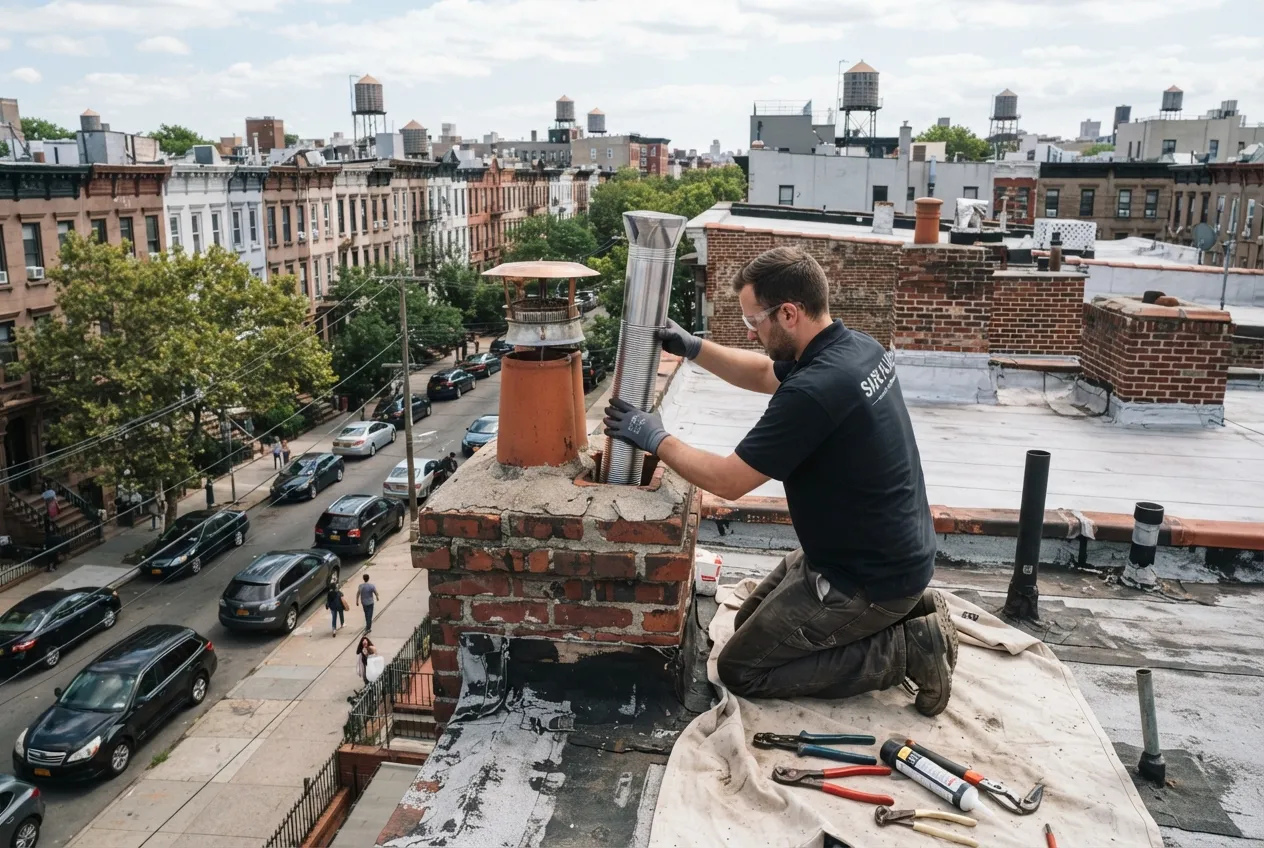
Most of the work happens from the roof, which suits Kensington's attached rowhouses and detached homes alike. In pre-war apartment buildings, we coordinate access with owners or managers so the boiler room and the roof are both available when we need them.
- Inspection and measurement: a camera view of the flue and a check of the crown, cap and connection points
- Liner selection: usually a stainless steel liner sized to the boiler, water heater, furnace or fireplace insert, with other options discussed when a chimney's shape or condition calls for them
- Preparation: clearing debris and, where needed, removing broken tile so the liner can pass
- Installation: lowering the liner from the roof, connecting it at the top and bottom, and adding insulation where the application requires it
- Finishing: fitting a top plate and cap, reconnecting the appliance and checking draft
Time for your annual chimney check?
Planning around the heat season
New York City's heat season runs from October 1 through May 31. During that time, building owners must keep apartments heated to the city's minimum temperatures. If your building's boiler vents through a chimney that needs a new liner, scheduling the work for late spring or summer means you don't have to shut down heat when tenants depend on it.
The same logic helps single-family and two-family houses. NFPA 211 calls for a yearly chimney inspection. Booking it in the warmer months gives you time to plan a reline instead of discovering a problem on the first cold night.
Serving Kensington and nearby neighborhoods
We work throughout Kensington and in the neighboring areas of Ditmas Park, Parkville, Borough Park, Mapleton and Midwood. Our office is in Dyker Heights, so these neighborhoods are a short trip for our crews. That makes it easier to come back for yearly inspections or follow-up visits after a liner goes in.
More services in Kensington
- Chimney Sweep in Kensington
- Chimney Inspection in Kensington
- Chimney Repair in Kensington
- Air Duct Cleaning in Kensington