The short answer
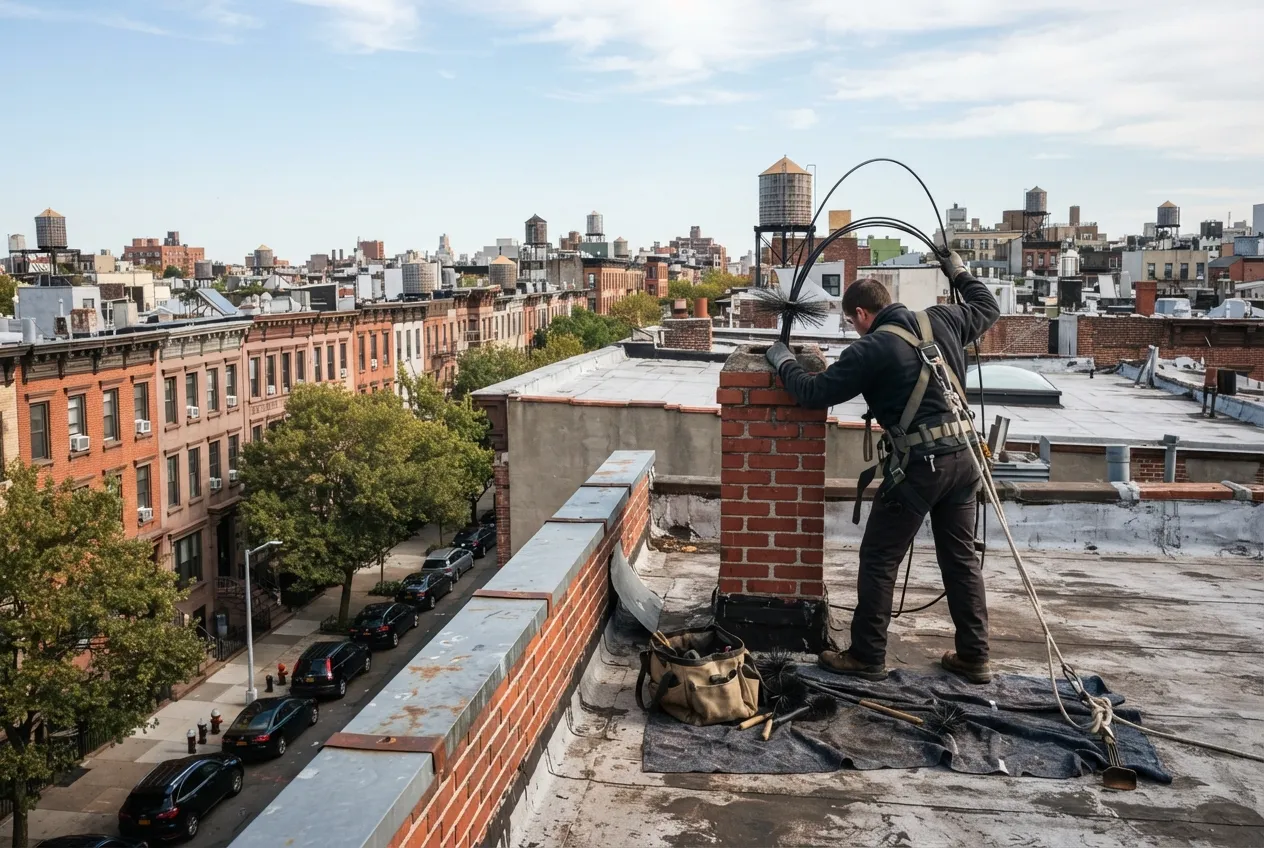
Most Kensington homes should have their chimney inspected once a year, as the NFPA 211 standard calls for. A basic Level 1 inspection covers routine use, while a Level 2 is needed when you buy or sell a home, add a new appliance, or switch fuels, such as converting a boiler from oil to gas.
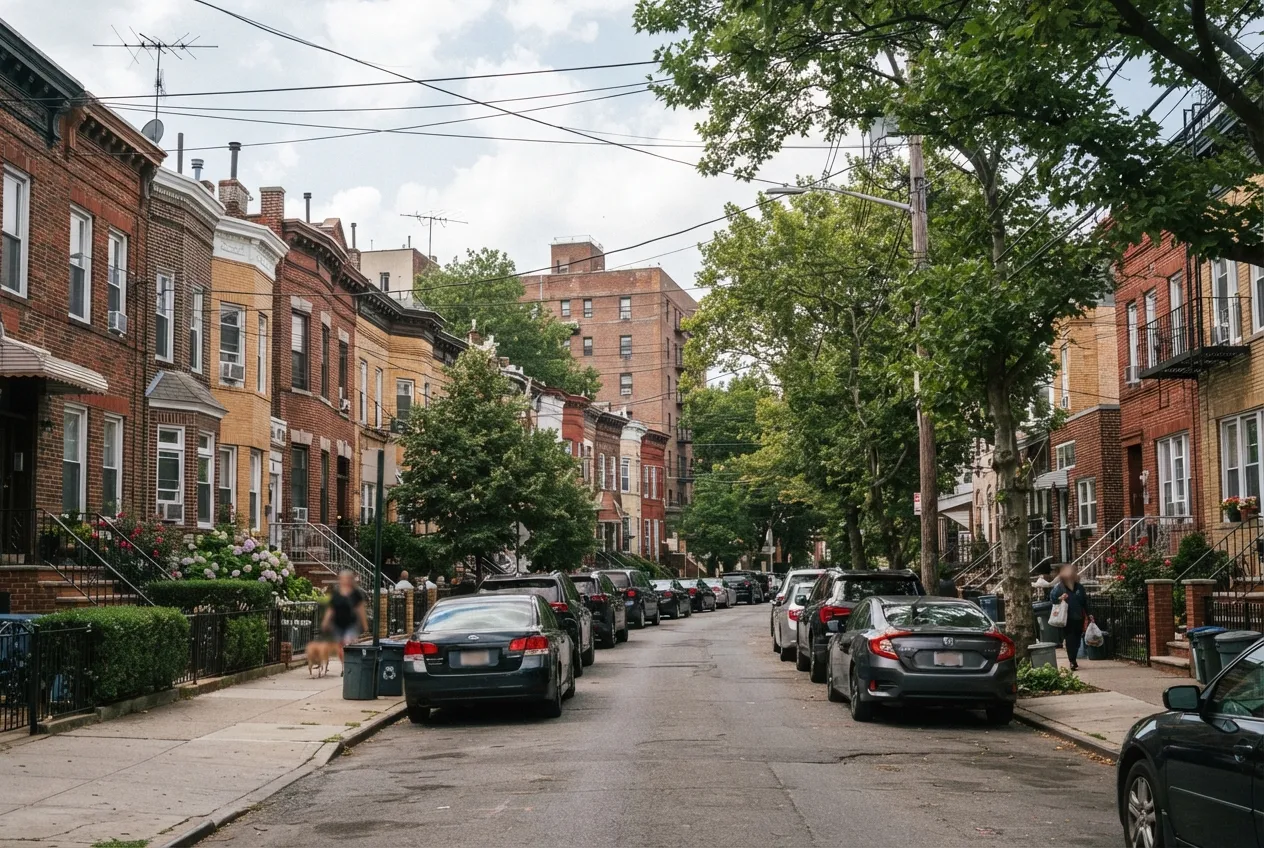
Kensington has a mix of detached and semi-detached frame homes, attached rowhouses, and pre-war apartment buildings, and many of them still rely on masonry chimneys for fireplaces, boilers, and water heaters. Those chimneys work quietly for years, which makes problems easy to miss. A cracked flue tile, a loose cap, or a liner corroded by gas exhaust can send smoke or carbon monoxide into living space. ClearStack Chimney Service inspects chimneys throughout Kensington and ZIP code 11218 from our office in Dyker Heights, about two miles southwest. Our certified technicians look at the whole system and tell you plainly what is working and what needs attention.
What we check on Kensington chimneys
Many chimneys in Kensington were built long before today's heating equipment was installed. A flue sized for an old coal or oil boiler may now vent a high-efficiency gas unit, and a fireplace may have gone unused for years before someone lights it again. An inspection confirms that the chimney still fits the way your home is actually using it.
On every visit we look at the parts of the chimney that can be reached without opening walls or masonry. That includes:
- The firebox, damper, smoke chamber, and flue for cracks, gaps, and creosote buildup
- The connector pipe from your boiler or water heater and where it enters the chimney
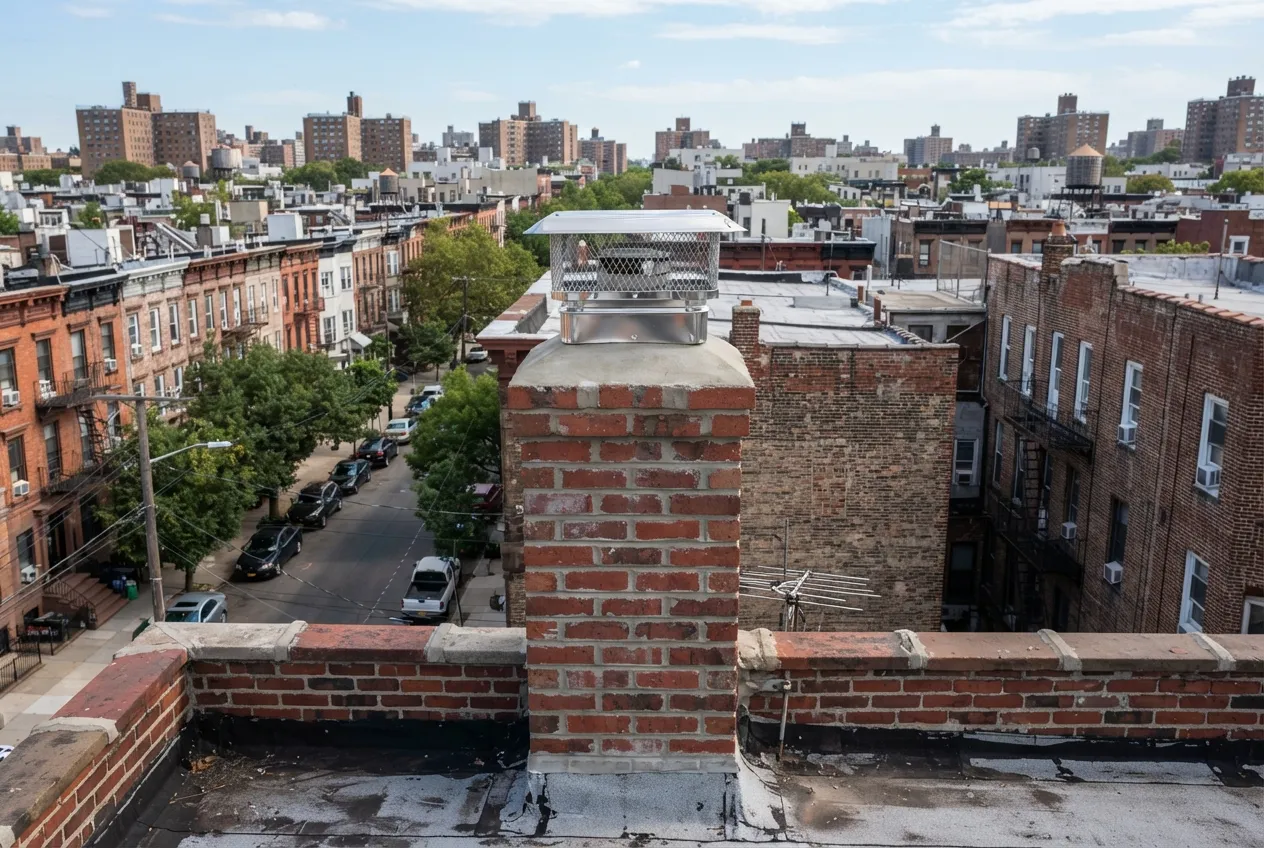
- Exterior brick, mortar joints, crown, and cap from the roof or a safe vantage point
- Signs of water entry, such as stained ceilings, efflorescence, or spalling brick
- Blockages from nesting animals, fallen debris, or a collapsed liner
- Clearances between the chimney and nearby wood framing where they are visible
Which inspection level your home needs
The NFPA 211 standard calls for chimneys, fireplaces, and vents to be inspected once a year. Chimney professionals use three levels of inspection, and the right one depends on what has changed in your home.
A Level 1 inspection fits most yearly checkups when nothing about the system has changed. A Level 2 inspection is called for when you replace or add an appliance, switch fuels, or buy or sell a home. It includes a camera scan of the flue interior, which matters in older brick chimneys where damage is often hidden inside. A Level 3 inspection is reserved for cases where a hidden hazard has to be reached by opening part of the chimney or building, such as after a chimney fire or when evidence points to damage behind a wall. We will explain why if we think you need one before any work begins.
Oil-to-gas conversions and chimney liners
Many Kensington homeowners and building owners have converted, or are planning to convert, a boiler from oil to gas. In New York City, the chimney has to be evaluated as part of that work. Gas exhaust produces acidic condensate that can corrode a masonry flue over time, so a new liner is often needed.
If you are planning a conversion, we can inspect the chimney before the new boiler goes in so you know whether the existing flue is suitable or a liner should be part of the project. If the conversion is already done and no one looked at the chimney, a Level 2 inspection will show whether the flue is holding up.
Time for your annual chimney check?
Timing your inspection around heat season
New York City's heat season runs from October 1 through May 31. During those months, building owners must keep apartments heated to the city's minimum temperatures, and a boiler shut down by a chimney problem becomes urgent.
Scheduling your inspection in late spring or summer gives you time to handle any repairs before you need the heat. For fireplaces, an inspection before your first fire of the season lets you catch creosote, blockages, or a damper that will not open fully.
What you get after the inspection
After the inspection, your technician walks you through what they found and gives you a written report with photos of any problem areas. If the chimney is in good shape, we say so. If something needs repair, we explain what it is, why it matters, and how soon it should be handled, so you can decide what to do next without pressure.
We also serve homes and buildings in nearby Ditmas Park, Parkville, Borough Park, Mapleton, and Midwood, so neighbors with similar housing can count on the same approach.
More services in Kensington
- Chimney Sweep in Kensington
- Chimney Repair in Kensington
- Air Duct Cleaning in Kensington
- Chimney Liner Installation in Kensington