The short answer
Gravesend homes usually need a new chimney liner when the old flue is cracked or deteriorated, or when the heating system changes, especially in an oil-to-gas boiler conversion. ClearStack inspects the flue, matches a properly sized liner to your appliance, and installs it with the goal of finishing before the heating season.
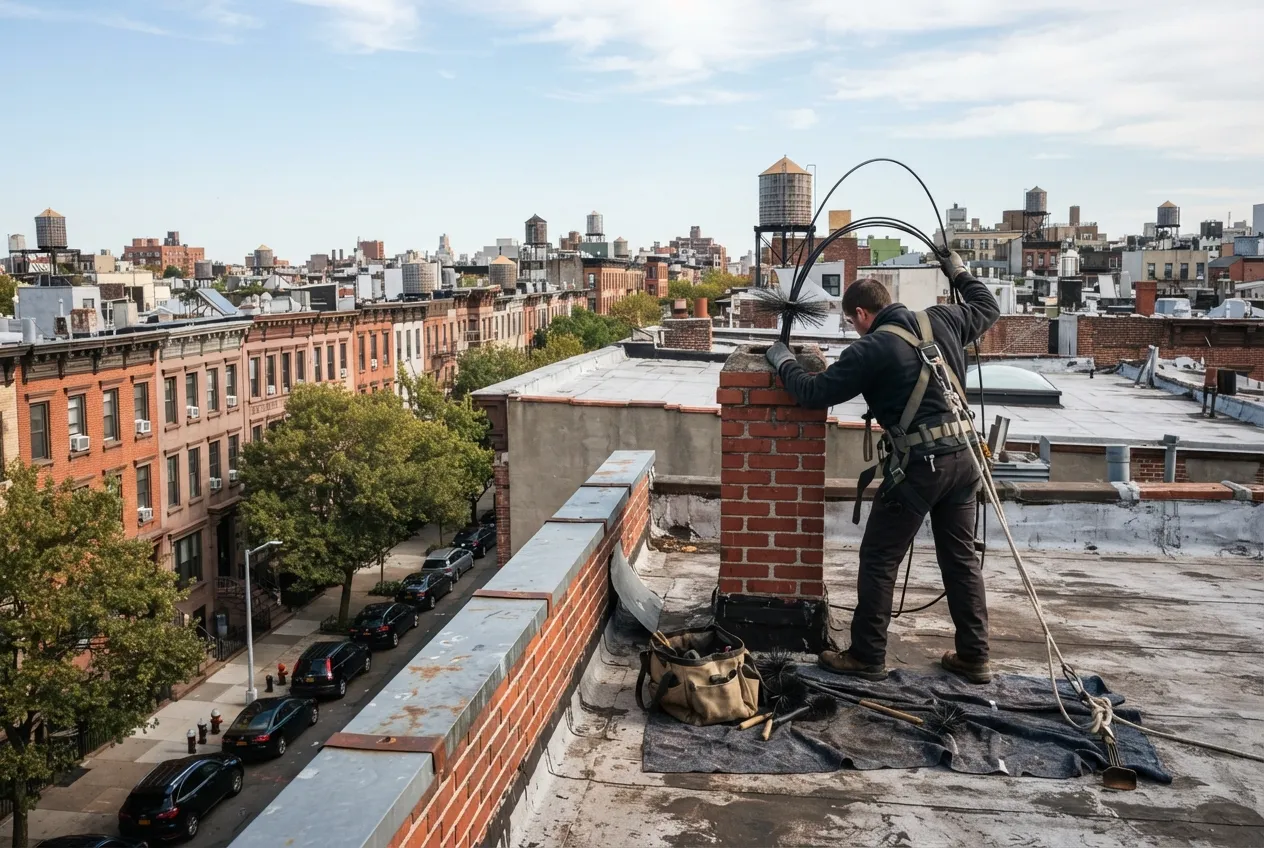
A chimney liner is the protective channel inside your flue. It carries smoke and exhaust out of the house and shields the surrounding brick and framing from heat and corrosive byproducts. Many Gravesend homes and small apartment buildings have masonry chimneys built for an earlier way of heating. The original clay tile, or a flue with no liner at all, may not suit the boiler, furnace, water heater or fireplace connected to it today. ClearStack Chimney Service installs chimney liners throughout Gravesend and the 11223 ZIP code from our base in Dyker Heights, about two miles away. Our certified technicians size and fit each liner to the appliance it serves.
Signs Your Gravesend Chimney Needs a New Liner
Liner damage happens out of sight, so it usually shows up as symptoms somewhere else in the house. In Gravesend's detached homes, semi-attached houses and rowhouses, these are the warning signs we see most often:
No single sign proves the liner has failed. Each one is a good reason to have the flue inspected with a camera before you rely on it through another winter.
- Pieces of clay tile or crumbling mortar collecting at the base of the chimney or in the cleanout
- White staining, damp spots or peeling paint on walls next to the chimney
- Rust or water in the boiler or water heater connector pipe
- A strong, lingering odor from the fireplace or utility room
- Gaps, cracks or missing sections visible during a chimney inspection
Oil-to-Gas Conversions and Liners in Gravesend
Converting a boiler from oil to gas is one of the most common reasons Gravesend property owners call us about liners. In New York City, the chimney must be evaluated as part of any oil-to-gas conversion, and a new liner is often required.
The reason is the exhaust itself. Gas exhaust produces acidic condensate. Over time, that moisture can corrode a masonry flue that handled oil exhaust without trouble for decades. A correctly sized liner keeps the condensate inside a channel built to resist it, so it doesn't soak into the brick.
If your conversion is underway or being planned, include the chimney in the project schedule from the start. That way, the liner work doesn't hold up the final sign-off on your new boiler.
Matching the Liner to Your Appliance
The right liner depends on what is venting through the chimney. A gas boiler and a water heater sharing one flue have different needs than a wood-burning fireplace in a living room. The liner's size has to fit the appliance's output. A flue that is too large or too small can cause poor draft, more condensation and exhaust spilling back into the house.
Before we recommend anything, we look at the following:
- The type and fuel of every appliance connected to the flue
- The height, shape and condition of the existing chimney
- Whether the liner needs insulation to keep exhaust warm and drafting properly
- How the connector pipe and cleanout will tie into the new liner
Time for your annual chimney check?
How Liner Installation Works
The NFPA 211 standard calls for chimneys, fireplaces and vents to be inspected once a year. It also recognizes a more detailed Level 2 inspection when the system changes, such as when a new appliance is installed or the fuel is switched. A liner job typically begins with that kind of inspection, including a camera survey of the full flue.
After that, the process follows a clear sequence:
- We review the inspection findings with you and explain why a liner is or isn't needed
- We clear debris or old tile that would block the new liner
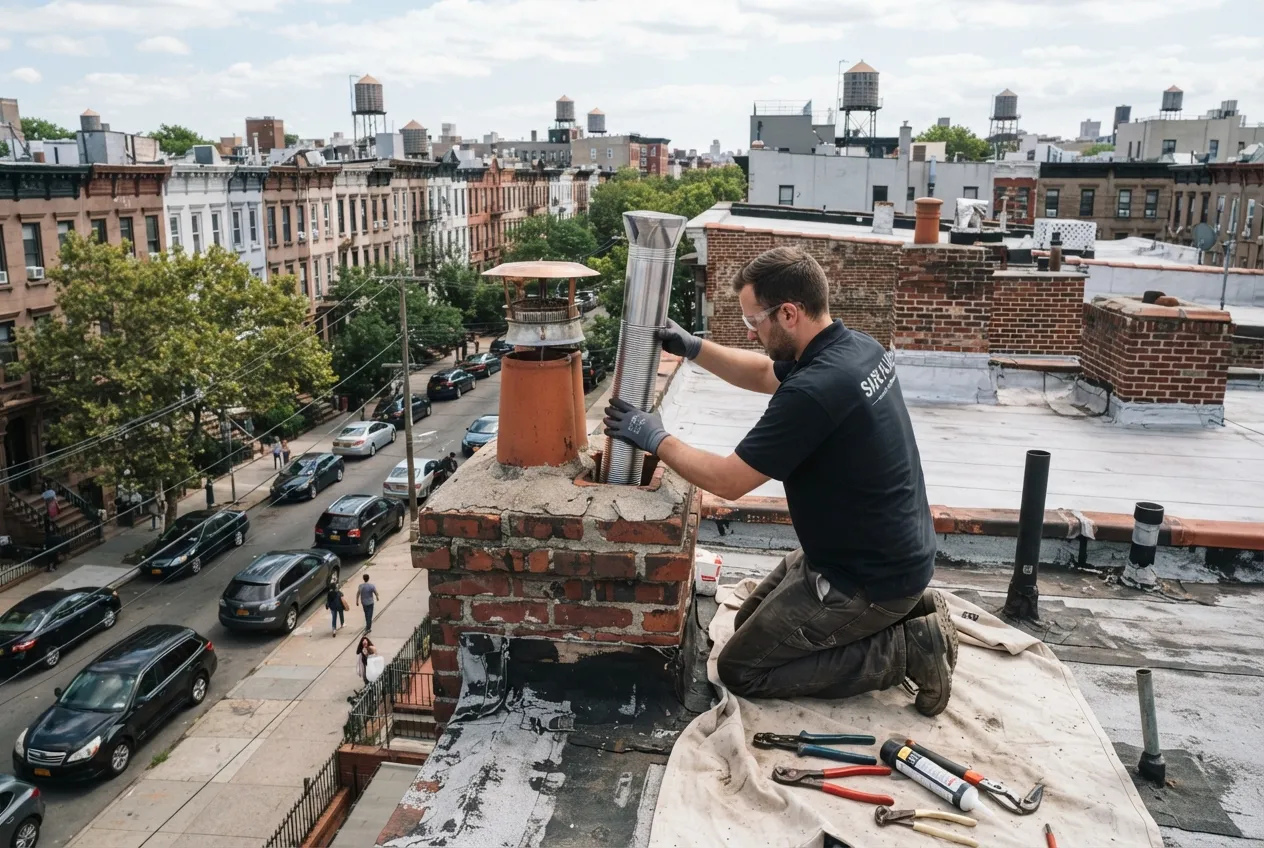
- We lower the liner from the top of the chimney and connect it at the appliance end
- We fit a top plate and cap to seal the flue and keep out rain and animals
- We test draft and confirm the appliance is venting properly
Planning Around New York City's Heat Season
New York City's heat season runs from October 1 through May 31. During those months, building owners must keep apartments heated to the city's minimum temperatures. For Gravesend landlords with multi-family houses or small apartment buildings, a boiler that is shut down while a liner goes in can create a real problem in cold weather.
We recommend scheduling inspections and liner work in late spring or summer whenever possible. If a liner fails in the middle of winter, we'll work with you on the most practical way to restore safe venting.
Serving Gravesend and Nearby Brooklyn Neighborhoods
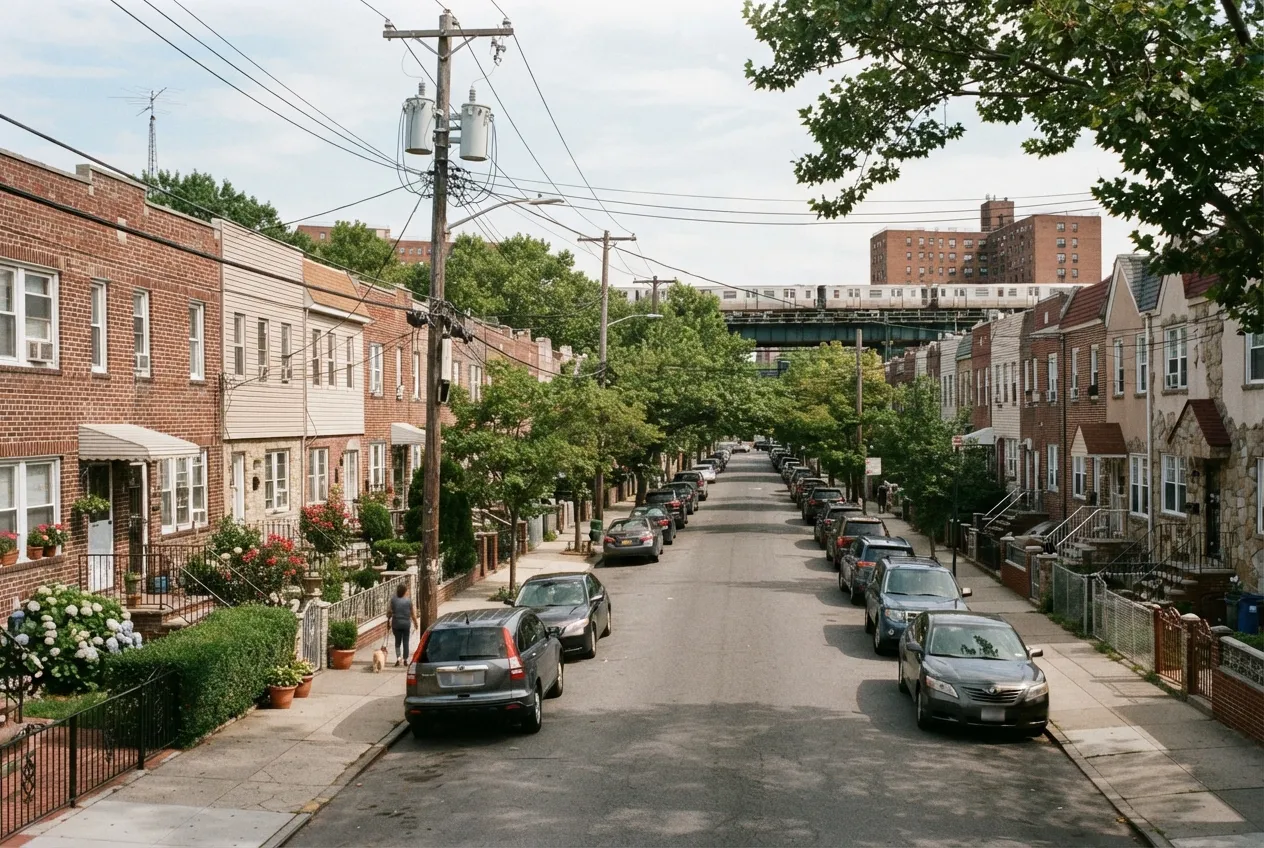
Our Dyker Heights location puts Gravesend within a short drive. That makes inspections, follow-up visits and connections with your boiler contractor easy to coordinate. We also install chimney liners in Bensonhurst, Mapleton, Bath Beach, Midwood and Dyker Heights. These neighborhoods have the same mix of older masonry chimneys and updated heating systems.
More services in Gravesend
- Chimney Sweep in Gravesend
- Chimney Inspection in Gravesend
- Chimney Repair in Gravesend
- Air Duct Cleaning in Gravesend