The short answer
The NFPA 211 standard calls for chimneys, fireplaces and vents to be inspected once a year, and Gravesend homes are no exception. Most homeowners need a Level 1 inspection, but a Level 2 is called for if you change heating equipment, switch fuels such as oil to gas, or buy or sell the home.
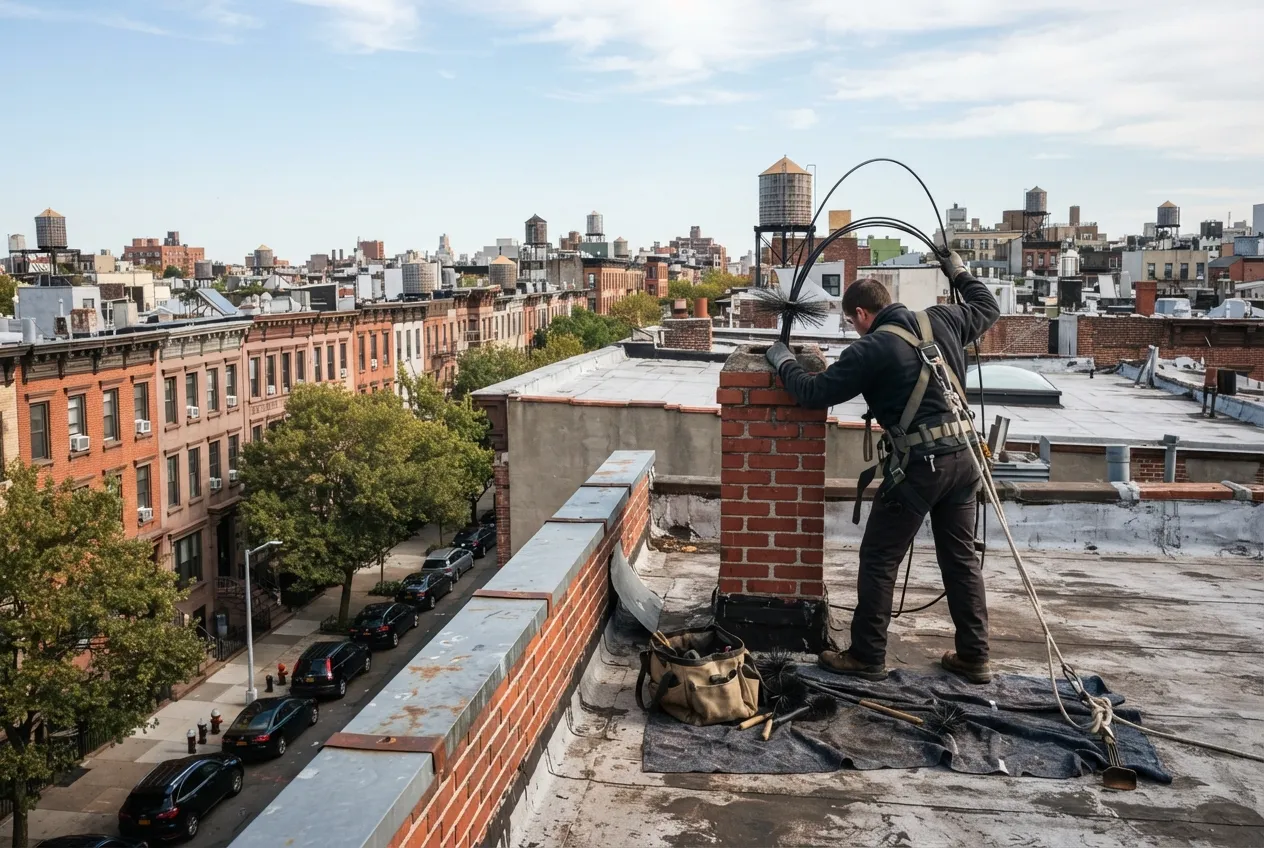
If you heat with a fireplace, a wood stove, or a boiler that vents through a masonry chimney, a yearly inspection is the simplest way to know whether that chimney is still doing its job. ClearStack Chimney Service inspects chimneys throughout Gravesend (ZIP 11223), about 2 miles southeast of our office in Dyker Heights. Our certified technicians look at the parts of the system you can't easily see from the street or the living room: the flue liner, the smoke chamber, the crown, the connections to your heating equipment, and the masonry that holds it all together. This page explains what an inspection covers, which level fits your situation, and when Gravesend homeowners should schedule one.
What a Chimney Inspection Covers in a Gravesend Home
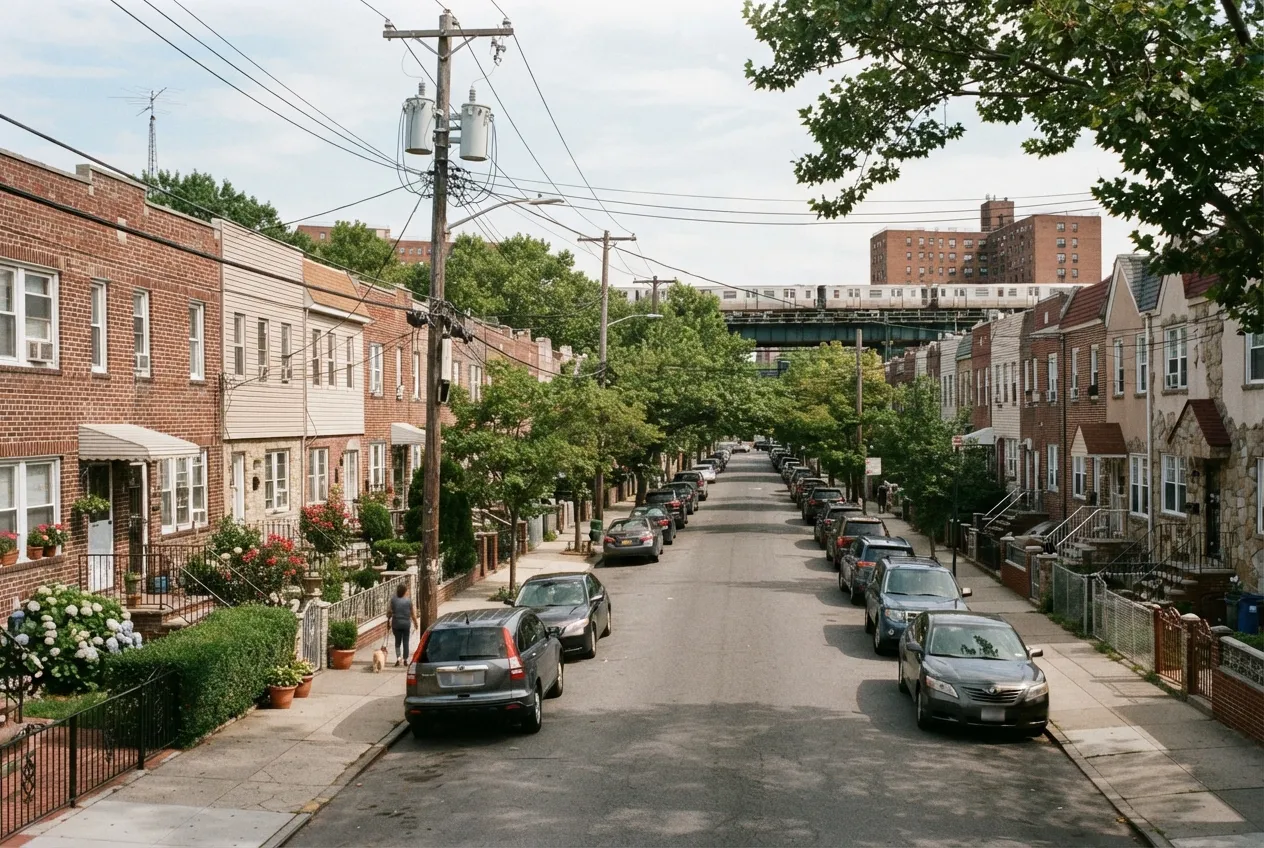
Gravesend has a mix of housing: detached and semi-detached houses, attached rowhouses, two-family homes, and pre-war apartment buildings. Many have masonry chimneys serving a boiler or furnace, and some also have a working fireplace. Each setup needs a slightly different look, but the goal is the same: confirm that smoke and exhaust leave the house safely and that nothing in the chimney is likely to catch fire, leak, or fall apart.
During a standard inspection, a technician checks:
- The readily accessible interior of the chimney and flue, including soot and creosote buildup
- The flue liner for cracks, gaps, missing sections, or corrosion
- The firebox, damper, and smoke chamber on fireplace chimneys
- The connector pipe between your boiler, furnace, or water heater and the chimney
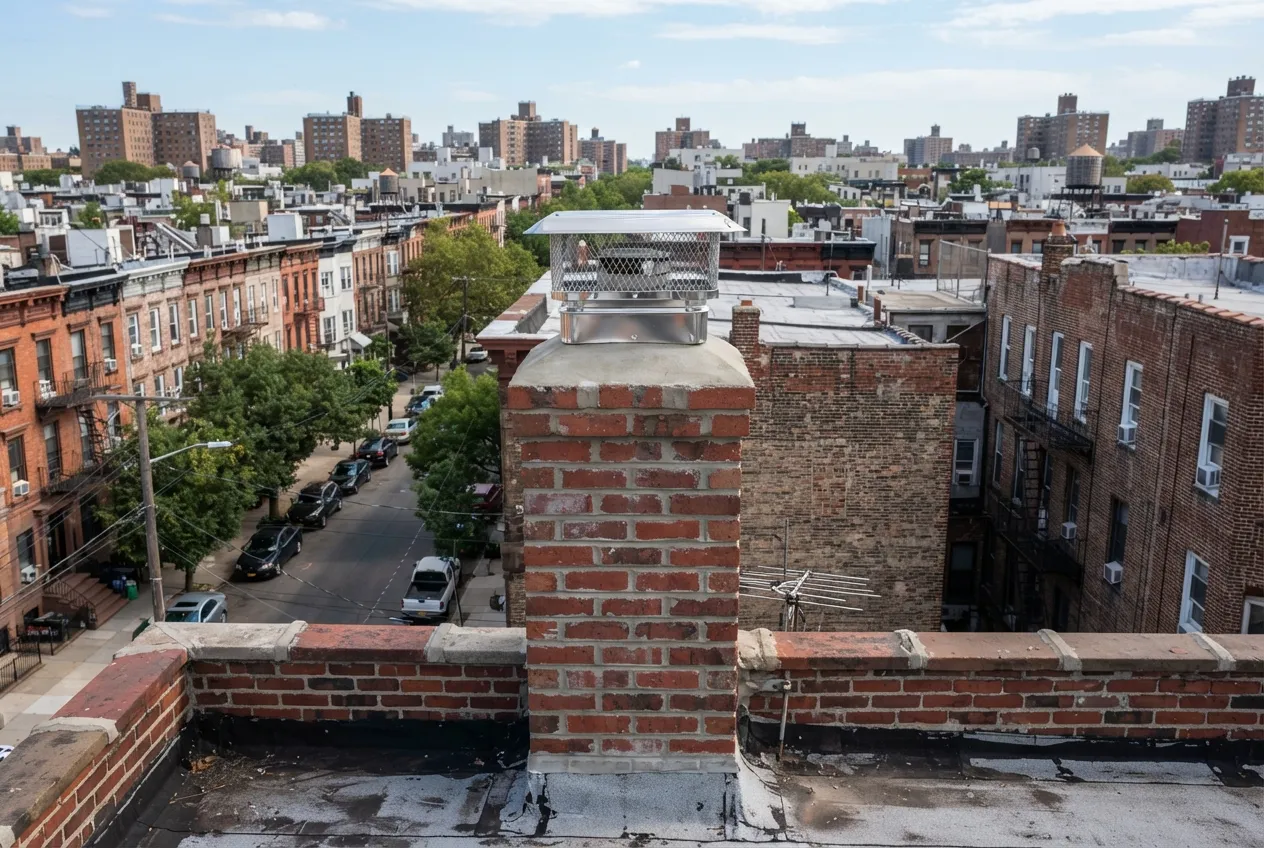
- The chimney crown, cap, and flashing where the chimney meets the roof
- Exterior brick and mortar for spalling, loose joints, or leaning
- Obstructions such as nests, debris, or fallen masonry
Level 1, Level 2, or Level 3: Which One You Need
Chimney professionals use three inspection levels. Knowing which one applies helps you avoid paying for more than you need, or settling for less than the situation calls for.
A Level 1 inspection is the yearly check for a system that hasn't changed. If you use your fireplace or heating equipment the same way you did last year, this is usually the right choice.
A Level 2 inspection is called for when something changes. That includes installing a new boiler or stove, switching fuels, relining the chimney, or buying or selling the home. It adds a closer look at the full length of the flue, typically with a video camera, plus accessible areas like attics and basements.
A Level 3 inspection is reserved for cases where a hidden hazard is suspected and can only be reached by opening part of the chimney or the building. We recommend it only when a Level 2 inspection turns up a concern that can't be confirmed any other way.
Oil-to-Gas Conversions and Your Chimney
Many older Brooklyn homes and buildings originally heated with oil, and some Gravesend owners are now converting to gas. When a New York City building converts its boiler from oil to gas, the chimney has to be evaluated as part of the work. A new liner is often needed, because gas exhaust produces acidic condensate that can corrode a masonry flue that was built for oil.
If you're planning a conversion or recently completed one, a Level 2 inspection will show whether your existing flue is suitable or needs a liner. Getting this done early keeps the conversion on schedule and avoids surprises once the new boiler is running.
Time for your annual chimney check?
When to Schedule an Inspection in Gravesend
New York City's heat season runs from October 1 through May 31. During those months, building owners must keep apartments heated to the city's minimum temperatures, so a boiler chimney problem in January is more than an inconvenience. For owners of two-family homes and small apartment buildings with tenants, an inspection before October gives time to make repairs while the heat is off.
For single-family homes with fireplaces, late summer and early fall are also good windows. You'll find out about creosote buildup, a damaged damper, or a cracked crown before the first cold night. Other good times to call:
- Before you buy or sell a home in Gravesend
- After a chimney fire, a strong storm, or any roof work near the chimney
- If you notice smoke backing up, a strong odor, water stains near the chimney, or bits of brick or tile in the fireplace
- When you replace or add a heating appliance
What You Get After the Inspection
After the inspection, our technician walks you through what was found, shows you photos or video where available, and explains which issues need attention now and which can be monitored. If cleaning or repairs are needed, we'll describe the options plainly so you can decide. We also serve nearby neighborhoods including Bensonhurst, Mapleton, Bath Beach, Midwood, and Dyker Heights.
More services in Gravesend
- Chimney Sweep in Gravesend
- Chimney Repair in Gravesend
- Air Duct Cleaning in Gravesend
- Chimney Liner Installation in Gravesend