The short answer
Dyker Heights homeowners should have their chimney inspected once a year, as the NFPA 211 standard calls for, ideally before New York City's heat season starts on October 1. Most homes need a Level 1 inspection. A Level 2 is called for after a fuel switch, a new appliance or a home sale.
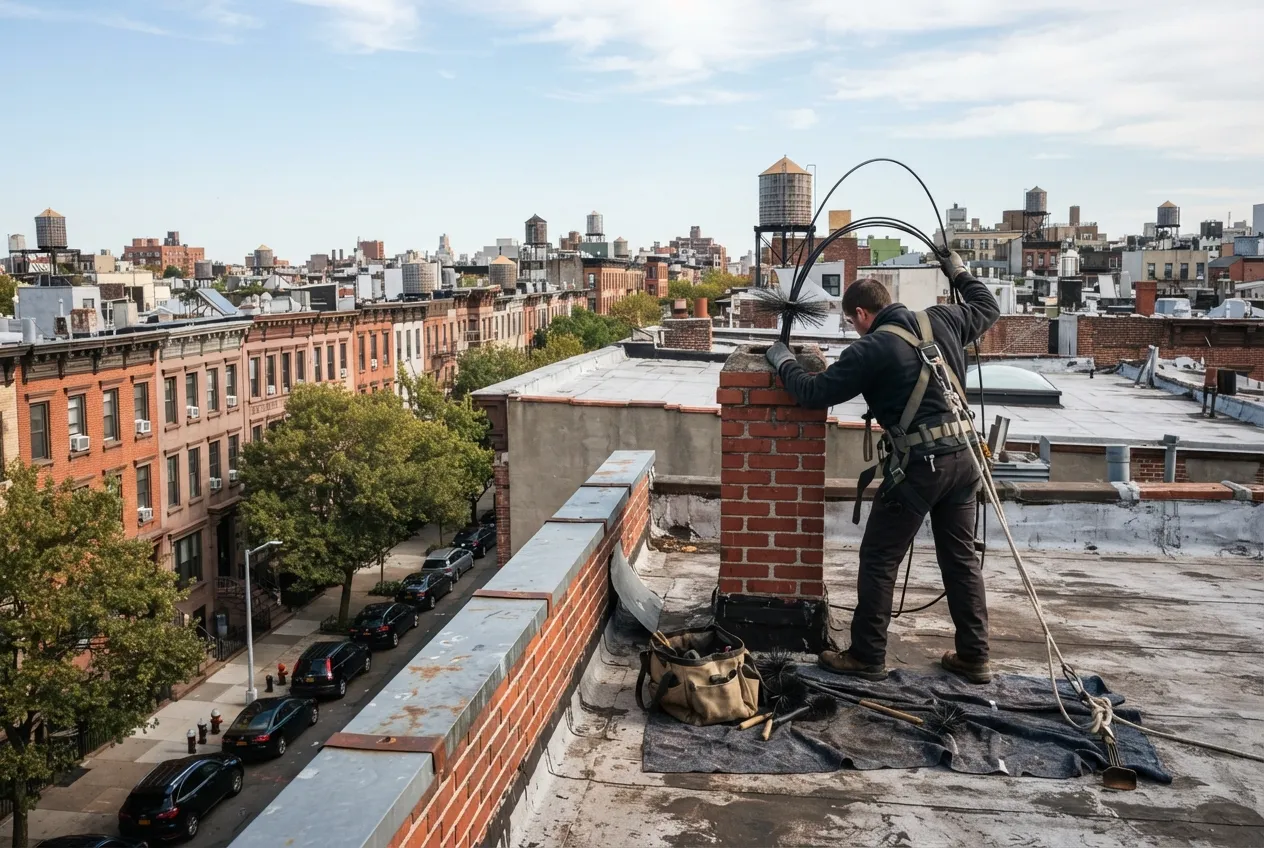
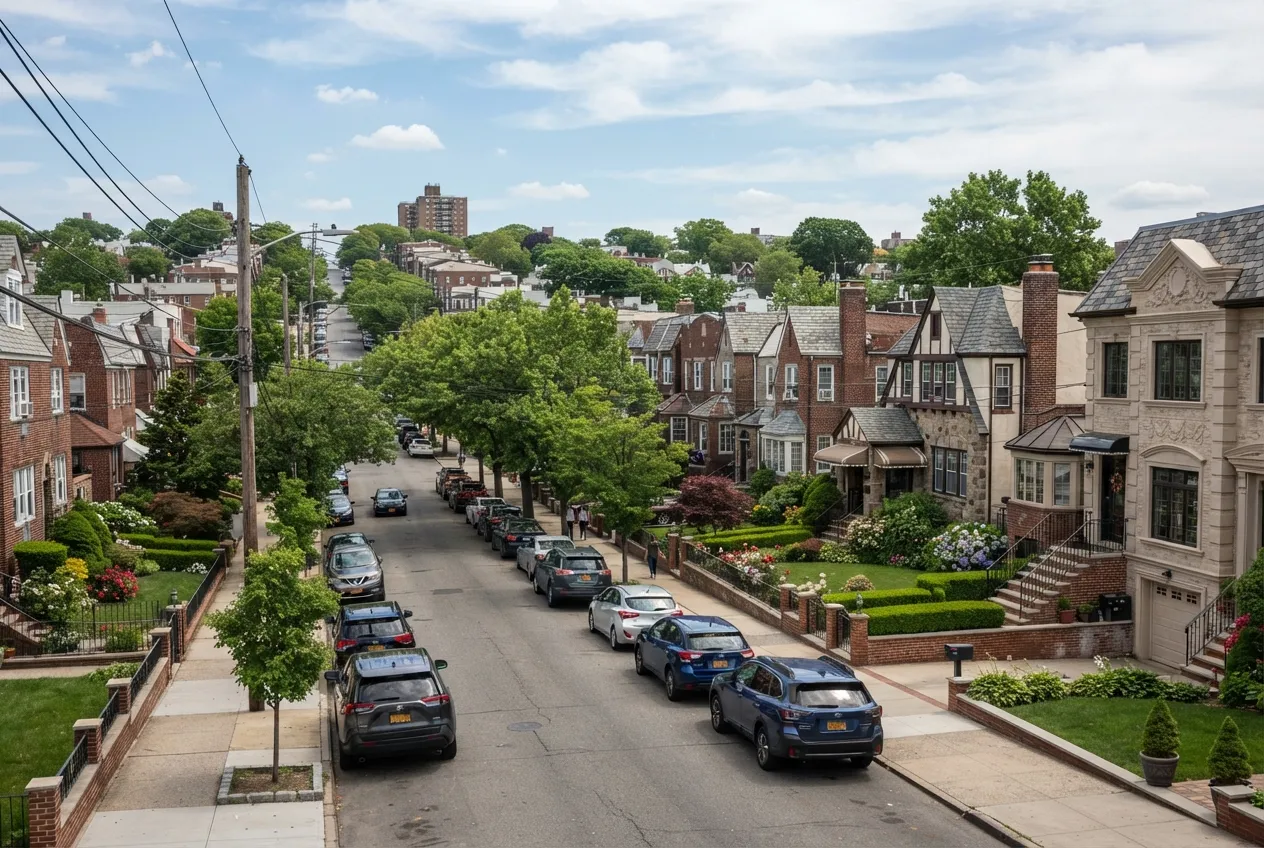
Dyker Heights homes rely on their chimneys for more than a fireplace. In many of the neighborhood's detached and semi-detached houses, rowhouses and two-family homes, the chimney also vents the boiler or water heater that runs all winter. ClearStack Chimney Service is based in the neighborhood at 7421 13th Ave, so inspections in ZIP code 11228 are close to home for our certified technicians. This page explains what a chimney inspection covers, which level you likely need, and when to schedule one.
Why Yearly Inspections Matter for Dyker Heights Homes
The NFPA 211 standard calls for chimneys, fireplaces and vents to be inspected once a year. That applies whether you burn wood a few nights each winter or never use the fireplace at all, because the same chimney often carries exhaust from your heating system.
In New York City, heat season runs from October 1 through May 31. During that period, building owners must keep apartments heated to the city's minimum temperatures. If you own a two-family house or a home with a rental unit, you do not want to discover in January that the boiler can't vent safely. An inspection in late summer or early fall gives you time to schedule repairs before the heat has to stay on.
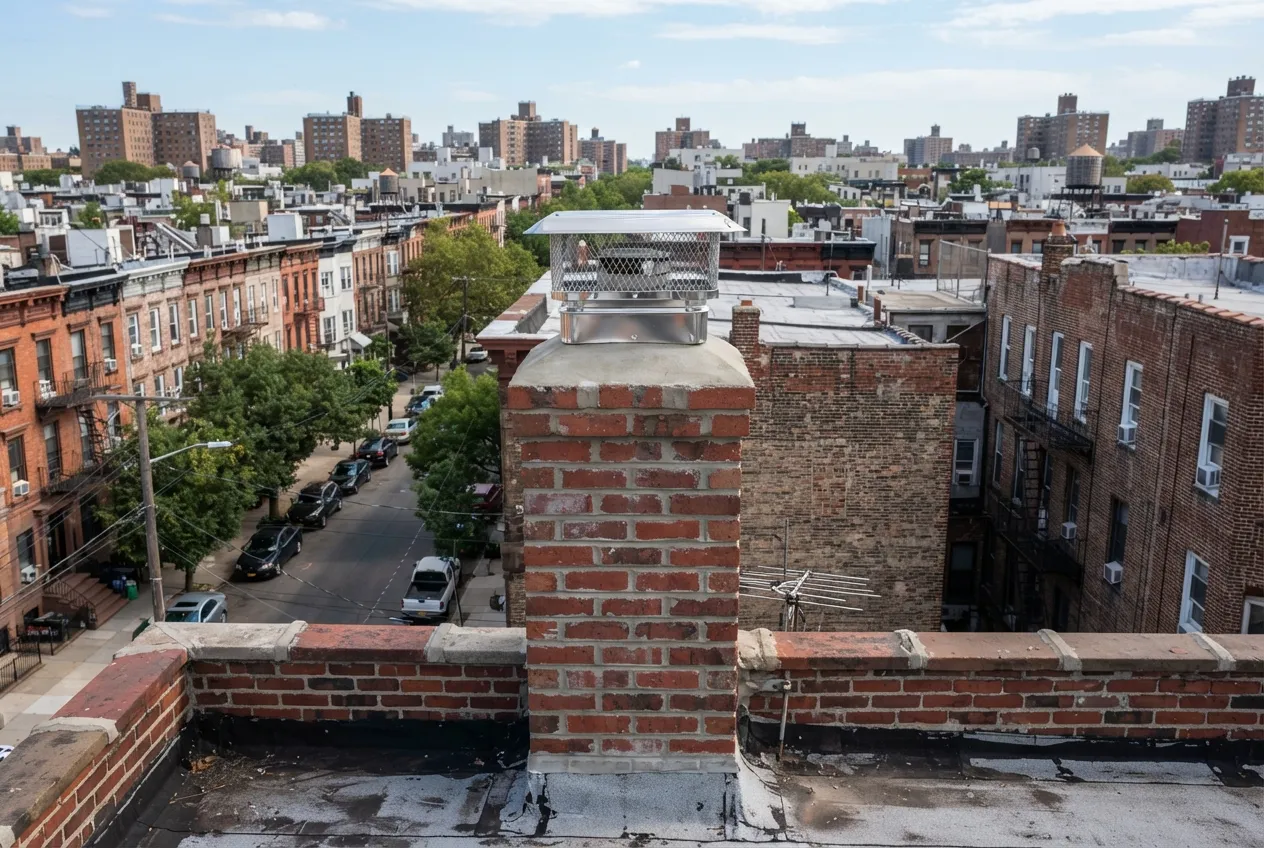
Brick chimneys on older Brooklyn homes also take a beating from the weather. Water gets into cracked crowns, worn mortar or loose flashing, then freezes and expands. The damage often shows up inside the house first, as stains on walls near the chimney or flaking masonry in the firebox.
Choosing the Right Inspection Level
Chimney professionals use three inspection levels. The one you need depends on what has changed in your home, not on how old the house is.
If you are buying or selling a house in Dyker Heights, ask for a Level 2 inspection as part of the process. It gives both sides a clear picture of the flue before closing.
- Level 1: For a chimney whose use and equipment haven't changed. We examine the readily accessible parts of the chimney, the firebox or appliance connection, and the exterior, and confirm the flue is clear.
- Level 2: Called for when the system changes, such as a new boiler or water heater or a switch of fuel, or when the home is sold. It adds a video scan of the flue interior and a look at accessible attics, basements and crawlspaces.
- Level 3: Used when a hidden hazard has to be reached by opening part of the chimney or the building. We only recommend it when a Level 1 or Level 2 finding points to a problem that can't be confirmed any other way.
Oil-to-Gas Conversions and Flue Liners
Many Brooklyn homeowners have switched their boiler from oil to gas or are considering it. When a New York City building converts from oil to gas, the chimney has to be evaluated as part of the work. A new liner is often needed because gas exhaust produces acidic condensate that can corrode a masonry flue from the inside.
That corrosion is easy to miss from the outside. During a conversion inspection, we check the size and condition of the existing flue. We also look for deteriorated mortar joints and debris at the base of the chimney. Then we tell you plainly whether the current flue can serve the new equipment or needs a liner. Coordinate the timing with your heating contractor so the chimney work doesn't hold up the switch.
Time for your annual chimney check?
What We Check During an Inspection
Every inspection comes with a written report and photos, so you can see what we saw. Typical items include:
- Creosote and soot buildup in fireplace flues
- Blockages from nests, leaves or fallen masonry
- Cracks, gaps or missing sections in flue tiles or liners
- The chimney crown, cap, mortar joints and roof flashing
- The smoke chamber, damper and firebox
- Connections from the boiler or water heater to the chimney
- Signs of water entry in attics, walls and ceilings near the chimney
Serving Dyker Heights and Nearby Neighborhoods
Our office is in Dyker Heights, so homes in 11228 are a short trip for us. We also inspect chimneys in Bay Ridge, Bensonhurst, Borough Park, Bath Beach and Sunset Park. The rowhouses, brownstones, detached homes and pre-war apartment buildings in those neighborhoods raise many of the same questions.
Our schedule fills quickly once the weather turns cold. If you book between late spring and early fall, you will usually have the widest choice of appointment times and room for any repairs before October.
More services in Dyker Heights
- Chimney Sweep in Dyker Heights
- Chimney Repair in Dyker Heights
- Air Duct Cleaning in Dyker Heights
- Chimney Liner Installation in Dyker Heights