The short answer
The NFPA 211 standard calls for chimneys, fireplaces and vents to be inspected once a year, and that applies to Borough Park homes whether the flue serves a boiler, water heater or fireplace. Most homes need a routine Level 1 inspection. A Level 2 inspection is called for when you sell the home, add a new appliance or switch fuels, such as converting a boiler from oil to gas.
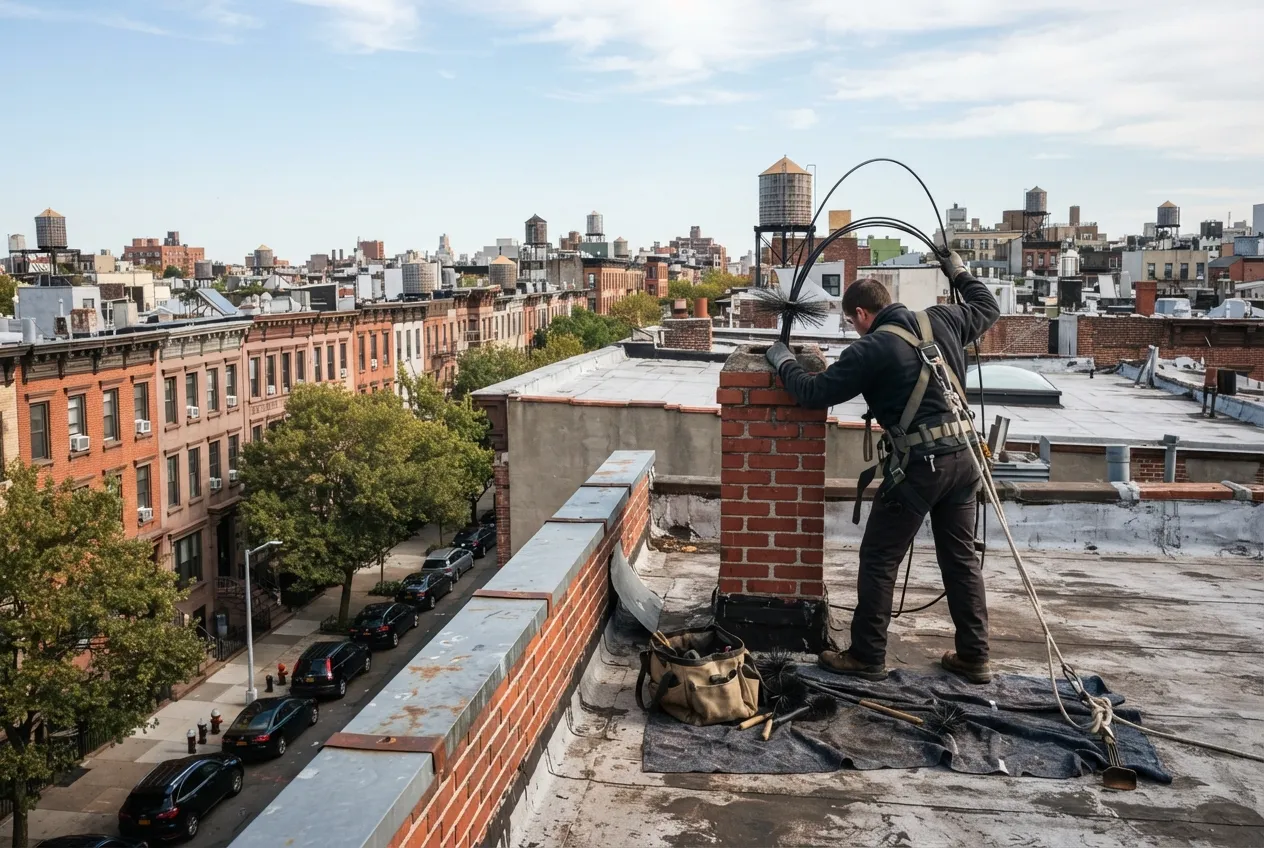
Most chimneys in Borough Park serve a boiler or water heater, not a fireplace. That means the flue works every day of the heating season, often without anyone looking at it. ClearStack Chimney Service inspects chimneys in rowhouses, semi-detached and detached homes, two-family houses and pre-war apartment buildings across the 11219 ZIP code. Our office in Dyker Heights is about a mile southwest, so getting to you is a short trip. Our certified technicians check the chimney from the appliance connection to the cap and explain what they find in plain language. Then you can decide what, if anything, needs to be done.
Why Borough Park Chimneys Need a Yearly Look
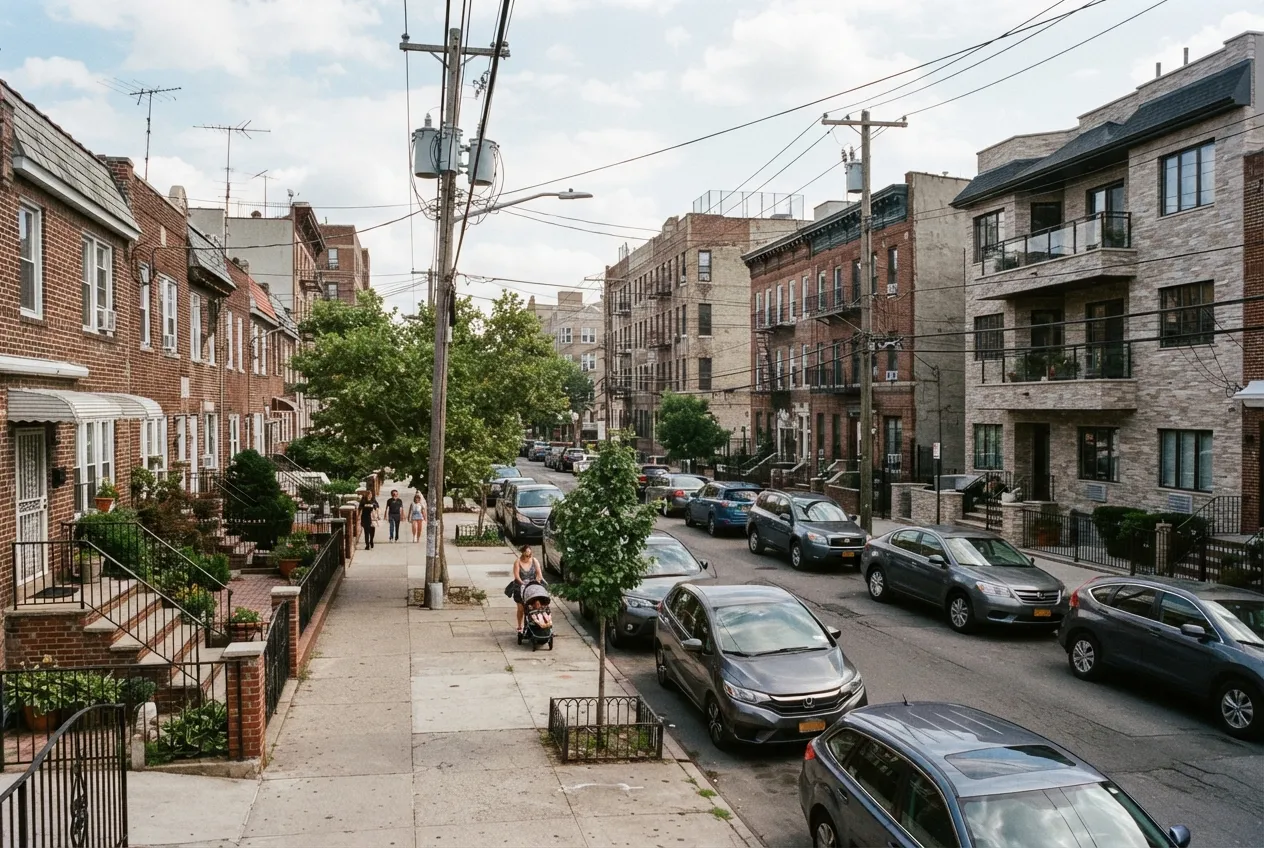
Many homes in Borough Park are attached or semi-attached masonry buildings. Their chimneys often run up a shared or party wall and vent a boiler that runs constantly from fall through spring. A flue that works this hard collects soot and debris. Over time it can also lose mortar or develop cracks inside, where you can't see them from the street or the basement.
The NFPA 211 standard calls for chimneys, fireplaces and vents to be inspected once a year. That covers the chimney attached to your heating system just as much as a wood-burning fireplace. A yearly inspection gives you a record of the chimney's condition and catches small problems before they become blockages or leaks.
Choosing the Right Inspection Level
Chimney professionals use three inspection levels. We recommend the one that fits your situation and explain why before any work begins.
- Level 1: For a chimney that has been in regular use with no changes. We check the accessible parts of the chimney, the appliance connection and the flue for obstructions and buildup.
- Level 2: Needed when the system changes, such as a new boiler, a new water heater or a switch from oil to gas. It's also needed when the home is sold. This level includes a camera inspection of the inside of the flue and a look at accessible areas like the attic and roof.
- Level 3: Only used when a hidden hazard is suspected and the only way to reach it is to open part of the chimney or the building. We don't recommend this level unless the evidence points to it.
Oil-to-Gas Conversions and Chimney Liners
Many older Brooklyn buildings have converted boilers from oil to gas. When a New York City building makes this conversion, the chimney has to be evaluated as part of the work. Gas exhaust produces acidic condensate that can corrode a masonry flue, so a new liner is often needed.
If you are planning a conversion or have already made one, we can inspect the flue and tell you whether the existing liner suits the new appliance. A switch of fuel calls for a Level 2 inspection, so the camera survey is part of the visit. You'll see what we see before you make any decisions about relining.
Time for your annual chimney check?
Timing Around Heat Season
New York City's heat season runs from October 1 through May 31. During that time, building owners must keep apartments heated to the city's minimum temperatures. For owners of two-family homes and apartment buildings in Borough Park, a chimney problem in the middle of winter can mean a boiler that has to be shut down.
Scheduling your inspection in late spring or summer gives you time to handle any repairs before heat season starts. If you only use the chimney for a fireplace, the same advice applies. An off-season inspection keeps fall free for using it.
What Happens During the Visit
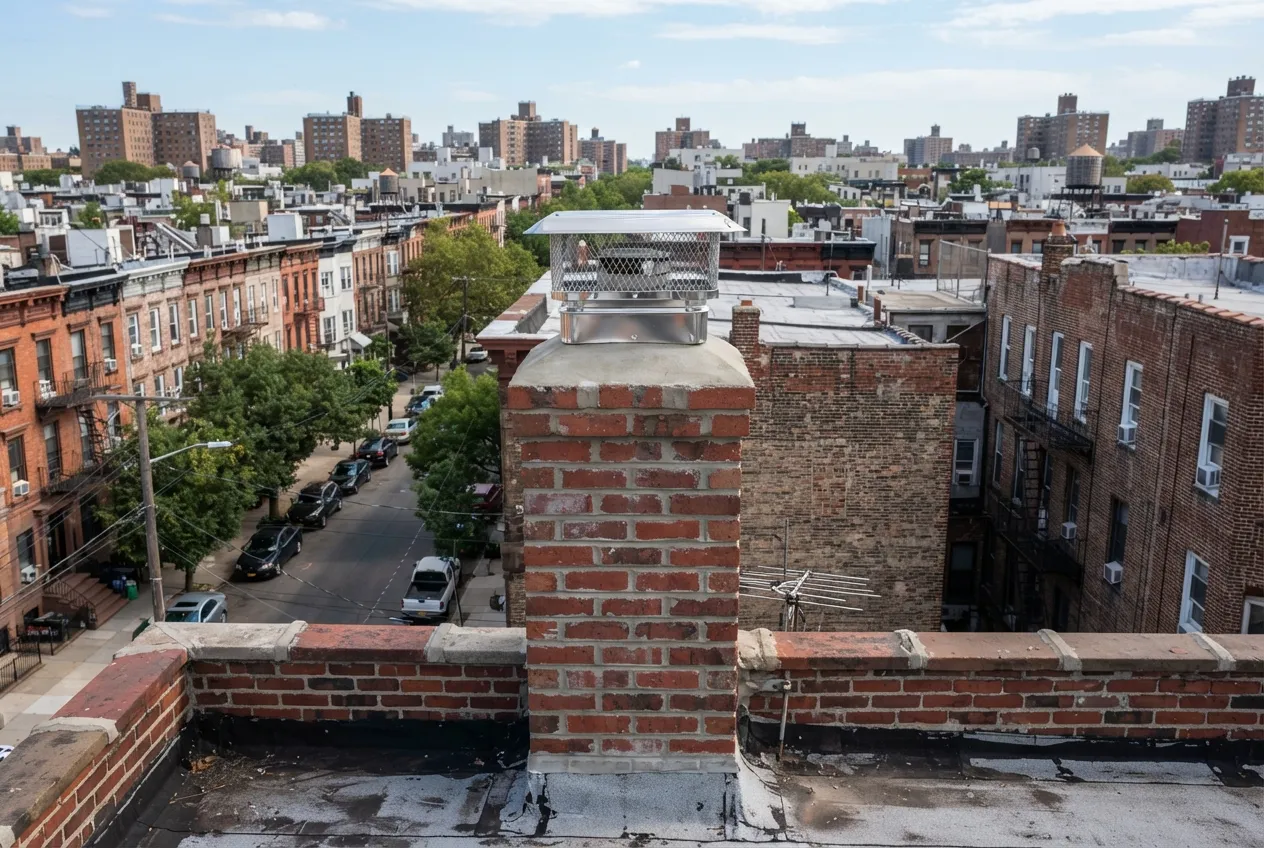
Our technician starts at the appliance and checks the connector pipe and its fit into the chimney. Next comes the cleanout, where soot, debris and fallen masonry tend to collect. Where access allows, we look at the crown, cap and exterior brick from the roof. For Level 2 inspections, we run a camera through the flue to look for cracks, gaps in the liner and blockages.
When we finish, we walk you through what we found and tell you what can wait and what shouldn't. We also serve nearby Kensington, Dyker Heights, Sunset Park, Ditmas Park and Parkville. If you own property in more than one of these neighborhoods, we can plan the visits together.
More services in Borough Park
- Chimney Sweep in Borough Park
- Chimney Repair in Borough Park
- Air Duct Cleaning in Borough Park
- Chimney Liner Installation in Borough Park