The short answer
Borough Park homes need air duct cleaning when the system has visible mold, signs of pests, or heavy dust and debris, which follows EPA guidance. ClearStack inspects your ducts first, cleans under negative pressure only if it's needed, and serves 11219 from our nearby Dyker Heights office.
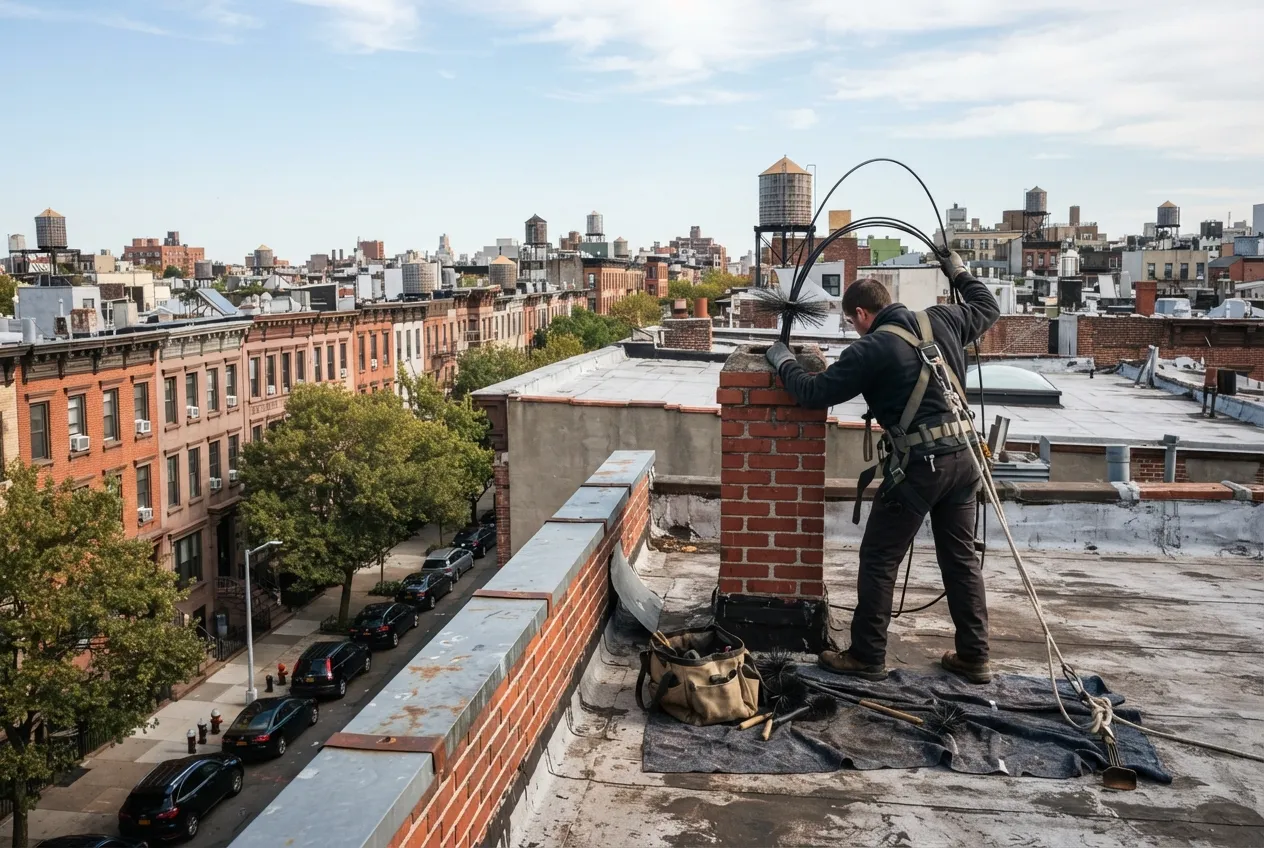
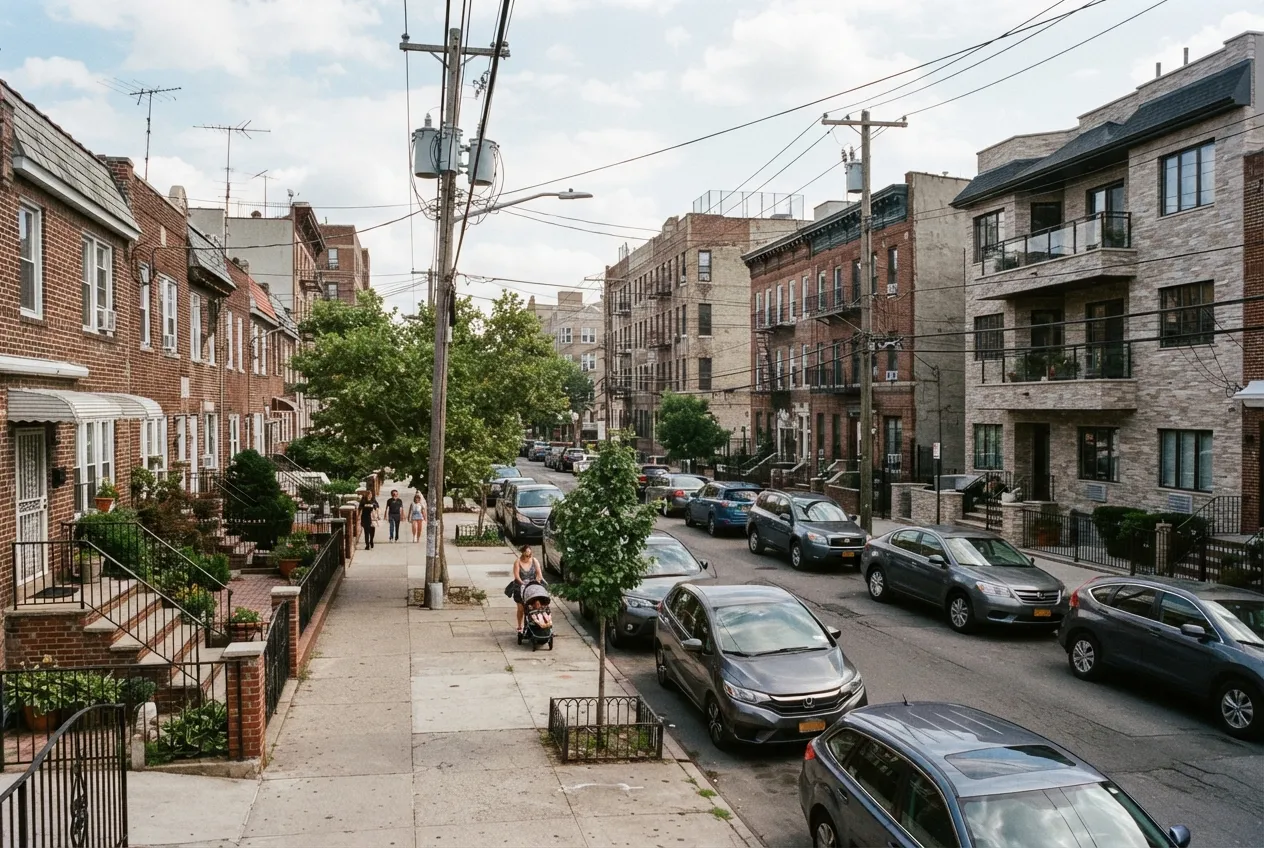
Borough Park homes range from attached brick rowhouses and two-family houses to detached homes and pre-war apartment buildings, and the ductwork inside them varies just as much. Some houses had central air added years after they were built, with ducts run through closets, attics and basement ceilings. Others rely on forced-air heat with older metal trunk lines. ClearStack Chimney Service cleans air ducts across the 11219 ZIP code from our base in Dyker Heights, about a mile away. We start every job by checking whether your ducts actually need cleaning.
When duct cleaning makes sense in a Borough Park home
The U.S. EPA's guidance is a good starting point. It recommends cleaning air ducts when there is substantial visible mold growth, signs of vermin, or excessive dust and debris. The EPA also notes that duct cleaning has not been shown to prevent health problems, so we don't promise it will fix allergies or headaches. What it does is remove material that shouldn't be in your system.
These are the situations that usually lead Borough Park homeowners to call us:
- Dust puffing out of supply registers when the blower starts
- Visible mold on duct surfaces, register boots or the area around the air handler
- Droppings, nesting material or insects inside ducts, which is more common where ducts run near basement walls or attic eaves
- Heavy construction dust after a kitchen, bathroom or basement renovation
- Moving into a home where you don't know when the system was last serviced
Ductwork in rowhouses, two-family homes and older buildings
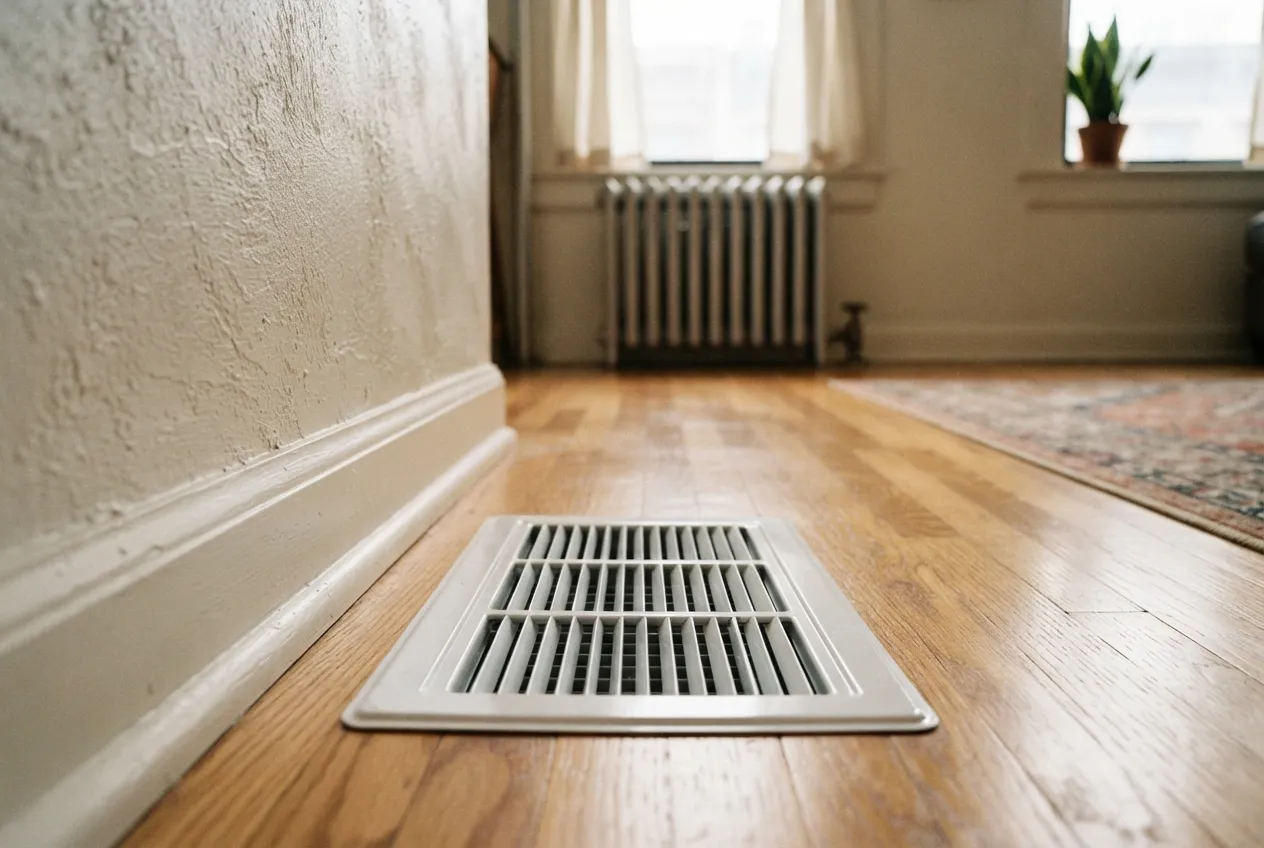
Many attached homes in the neighborhood were built before central air was common. When air conditioning or forced-air heat was added later, ducts were usually fitted wherever space allowed: along basement ceilings, through closets, and into attics or top-floor soffits. The result is often long runs with tight turns, mixed materials and joints that collect debris.
Flexible duct in attics can sag and trap dust in the low spots. Older sheet-metal trunk lines in basements may have open seams that pull in dust from unfinished areas. Two-family houses sometimes have a separate system for each unit, and each one needs its own inspection. Units in pre-war apartment buildings may have ductless or through-wall equipment instead. If that's your setup, we'll explain what can and can't be cleaned.
If your inspection shows no mold, pests or heavy buildup, we'll tell you so. Changing the filter on schedule may be all you need for now.
What happens during a duct cleaning visit
We look before we clean. A technician inspects the air handler, the main trunk and a sample of branch runs, using a camera where ducts can't be seen directly. You'll see what we find. If cleaning is warranted, the work typically includes these steps:
We don't spray sanitizers or coatings as a routine add-on. The EPA advises caution with chemical treatments, so if one seems warranted, we'll explain the product and the reason before using it. The EPA also suggests researching the process before responding to very cheap duct cleaning offers. A proper job takes time and equipment, and we'll explain what our visit includes before we begin.
- Protect floors and furniture near registers and the air handler
- Put the system under negative pressure with a collection unit so loosened debris is pulled out instead of blown into rooms
- Loosen debris in supply and return lines with brushes or air whips suited to metal or flexible duct
- Clean register covers and grilles, and check the blower compartment and the accessible coil area
- Show you before-and-after camera footage or photos
Time for your annual chimney check?
Planning around Brooklyn's heating season
New York City's heat season runs from October 1 through May 31. If your home has forced-air heat, the weeks before October are a sensible time to clean, so the system starts the cold months without a full season of debris. Owners of two-family homes and small buildings must keep tenants heated during that period, so many of them prefer to schedule work before the season begins.
If your home also has a chimney, fireplace or vented appliance, the NFPA 211 standard calls for an annual inspection, and we can cover both in one visit. Converting a boiler from oil to gas? The chimney has to be evaluated as part of that work in New York City. A new liner is often needed, because gas exhaust produces acidic condensate that can corrode a masonry flue.
Dryer vents deserve attention too
According to the U.S. Fire Administration, failure to clean is the leading factor contributing to clothes dryer fires in homes. In attached houses, dryer vents often run a long way to reach an outside wall, sometimes through basements or between floors, and lint builds up along those runs. If your dryer takes longer than it used to or the laundry area feels hot, ask us to check the vent while we're there.
Serving Borough Park and nearby neighborhoods
Our office is in Dyker Heights, about a mile southwest of Borough Park, so homes in 11219 are a short trip for us. We also clean air ducts in Kensington, Sunset Park, Ditmas Park, Parkville and Dyker Heights. Our certified technicians will walk you through what they found and what, if anything, they recommend.
More services in Borough Park
- Chimney Sweep in Borough Park
- Chimney Inspection in Borough Park
- Chimney Repair in Borough Park
- Chimney Liner Installation in Borough Park