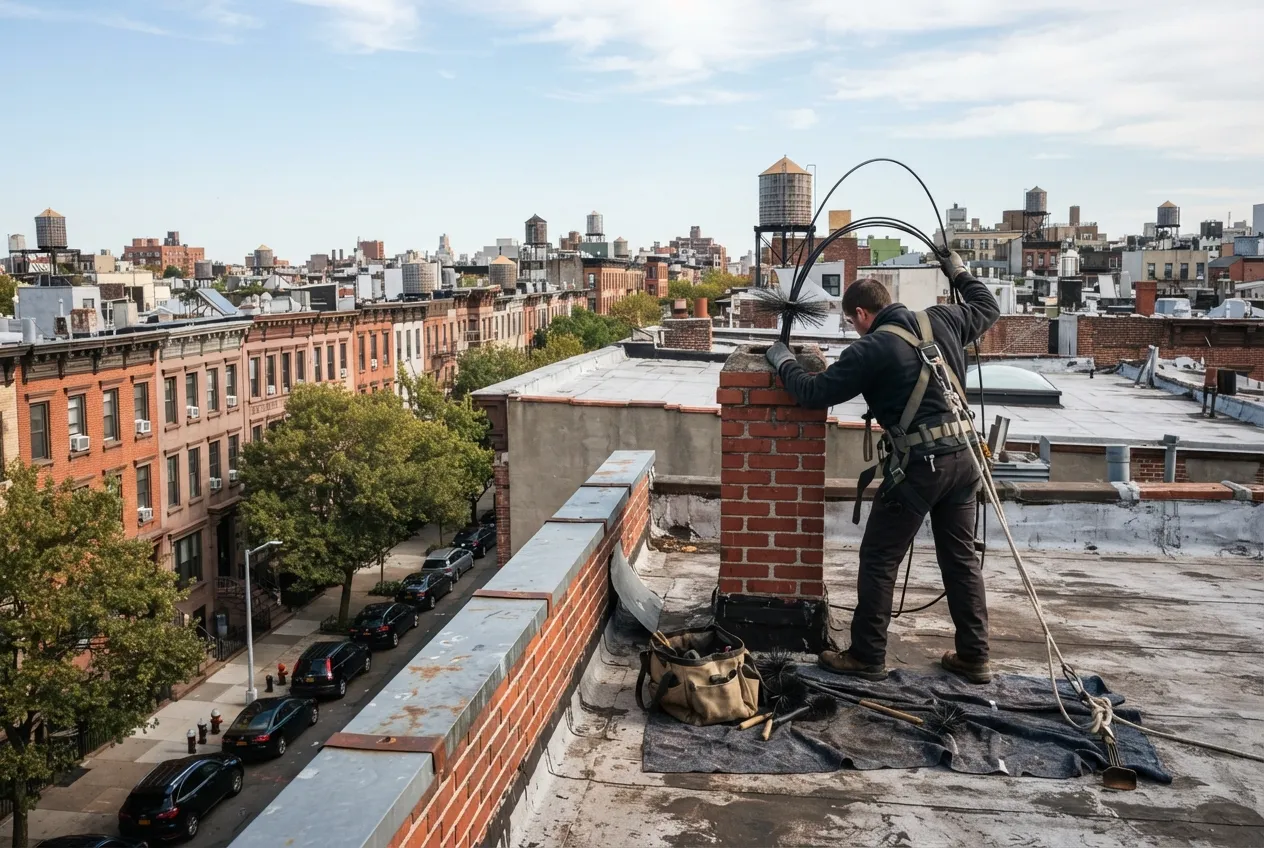
The short answer
You likely need a new chimney liner in Bensonhurst if your clay flue is cracked or deteriorating, or if you are converting a boiler from oil to gas. We inspect the flue first, size the liner to your appliance, and install it from the top of the chimney with as little disruption inside the home as possible.
A chimney liner is the channel inside your chimney that carries smoke and exhaust gases out of the house. In Bensonhurst, many homes still rely on their original masonry flues, and those flues have often been working for decades with oil boilers, gas boilers, water heaters, or occasional wood fires. When the clay tiles crack, the mortar joints wash out, or the flue no longer matches the appliance connected to it, a new liner is usually the right fix. ClearStack Chimney Service is based in Dyker Heights, about a mile northwest of Bensonhurst, so our certified technicians can reach your home without a long trip across the borough. This page explains when a liner makes sense, how we install one, and what to expect.
Why Bensonhurst Chimneys Often Need Relining
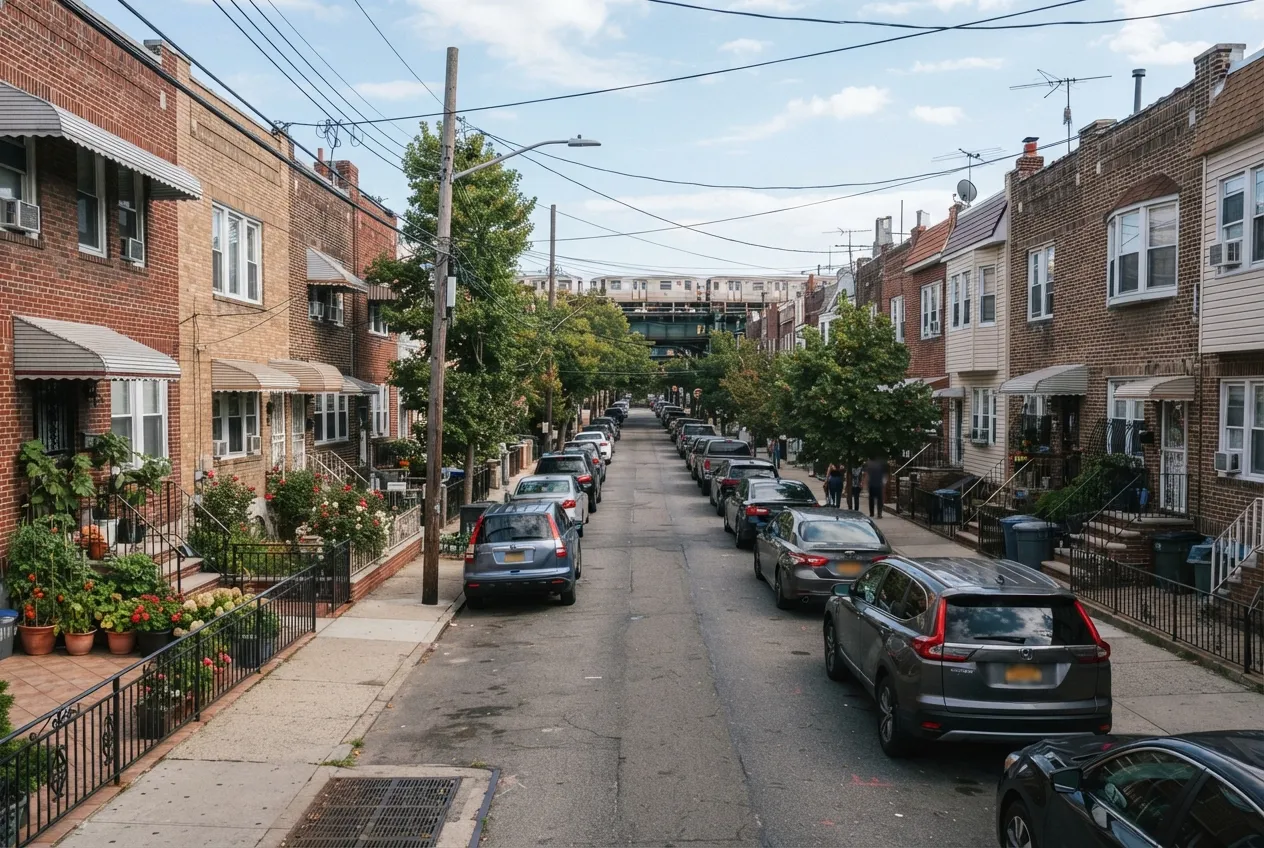
Bensonhurst is largely made up of attached rowhouses, two-family homes, semi-detached houses, and small pre-war apartment buildings, with some detached homes mixed in. Most of these buildings were built with masonry chimneys lined with clay tile, or in some cases with no liner at all. Over time, heat cycles, moisture, and combustion byproducts break down that clay and the mortar between the sections.
A damaged flue can let exhaust, including carbon monoxide, leak into the brick and potentially into living spaces or a shared wall. It can also let heat reach nearby framing. Because many Bensonhurst homes share walls with neighbors, a sound liner matters for the people next door as well as for your own household.
- Cracked, shifted, or missing clay tile sections found during an inspection
- Brick or mortar debris collecting at the base of the chimney
- Water stains, peeling paint, or a white crust on walls near the chimney
- A new boiler, furnace, or water heater that needs a different flue size
- A switch from oil to gas heat
Liners for Oil-to-Gas Conversions
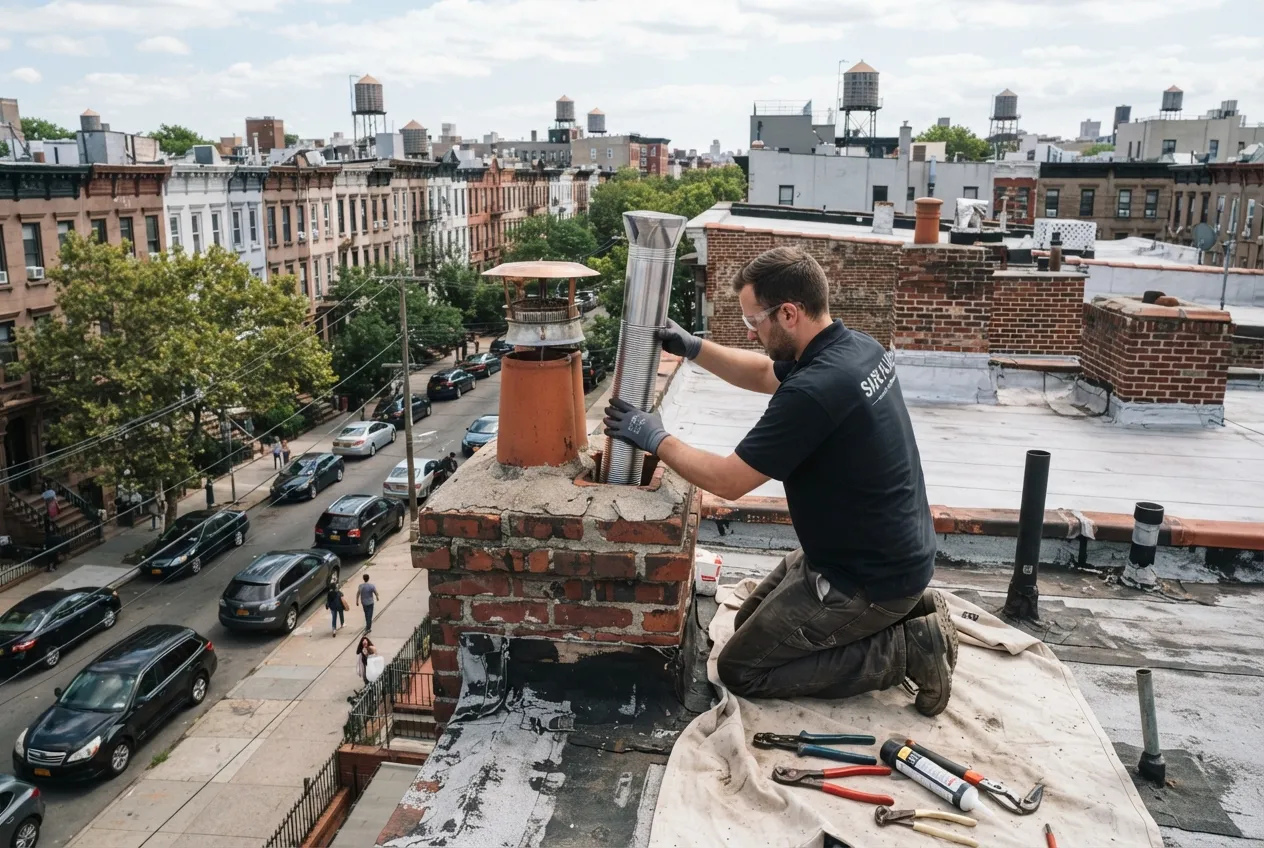
Many homes and small buildings in Bensonhurst have moved, or are planning to move, from oil heat to gas. When a New York City building converts its boiler from oil to gas, the chimney has to be evaluated as part of the work. A new liner is often needed because gas exhaust produces acidic condensate that can corrode a masonry flue.
We can inspect the existing flue, check whether it is sized correctly for the new equipment, and install a liner suited to gas exhaust. We are happy to coordinate with your heating contractor so the chimney work fits into the conversion schedule rather than holding it up.
How We Install a Chimney Liner
Every job starts with a close look at the chimney. The NFPA 211 standard calls for chimneys, fireplaces, and vents to be inspected once a year. It describes a more detailed Level 2 inspection when the system changes, such as a new appliance or a switch of fuel, or when a home is sold. For relining, that usually means a camera inspection of the full flue so we can see what we are working with.
Most liner work happens from the roof, which keeps disruption inside the home to a minimum. On attached rowhouses, we take care with roof access and with any neighboring chimneys that sit close to yours.
- Inspect the flue and measure it, including any offsets or bends
- Confirm the right liner size and type for the connected appliance
- Clean the flue and remove loose debris or broken tile where needed
- Lower the liner into the chimney and connect it to the appliance
- Install a top plate and cap to keep out rain, debris, and animals
- Test the draft and walk you through what we found and what we did
Time for your annual chimney check?
Choosing the Right Liner for Your Home
Stainless steel liners are the most common choice for relining existing chimneys in Brooklyn. They work with gas, oil, and wood when the right grade is used, and they can be flexible enough to follow a flue with bends. Some gas appliances may use other liner materials, and badly damaged chimneys sometimes call for a cast-in-place liner that also helps reinforce the masonry.
The right size matters as much as the material. A liner that is too large or too small for the appliance can draft poorly and produce more condensation. We size each liner to the equipment it serves and explain the options in plain terms before any work begins.
Timing Around the Heating Season
New York City's heat season runs from October 1 through May 31. During that time, building owners must keep apartments heated to the city's minimum temperatures. If you own a two-family home or a small building in Bensonhurst, a chimney problem that shuts down the boiler in winter affects your tenants as well as your household.
Scheduling an inspection in late spring or summer gives you time to plan a relining job before the cold weather arrives. We also serve nearby Bath Beach, Mapleton, Dyker Heights, Gravesend, and Borough Park.
More services in Bensonhurst
- Chimney Sweep in Bensonhurst
- Chimney Inspection in Bensonhurst
- Chimney Repair in Bensonhurst
- Air Duct Cleaning in Bensonhurst