The short answer
Bath Beach homes often need a new chimney liner when the old clay tile flue is cracked, or when a boiler is converted from oil to gas, because gas exhaust produces acidic condensate that can corrode masonry. ClearStack inspects the chimney, sizes a liner to your appliance, and installs it so exhaust leaves the house safely.
A chimney liner is the protective channel inside your flue that carries smoke and exhaust gases out of the house. In Bath Beach, many chimneys were built long before today's boilers and water heaters, and their original clay tiles or bare masonry flues often weren't made for the equipment now venting through them. ClearStack Chimney Service installs new liners for houses and buildings throughout Bath Beach (11214). Our certified technicians inspect the flue first, explain what we find, and fit a liner sized for the appliance it will serve.
Why Bath Beach Chimneys Often Need New Liners
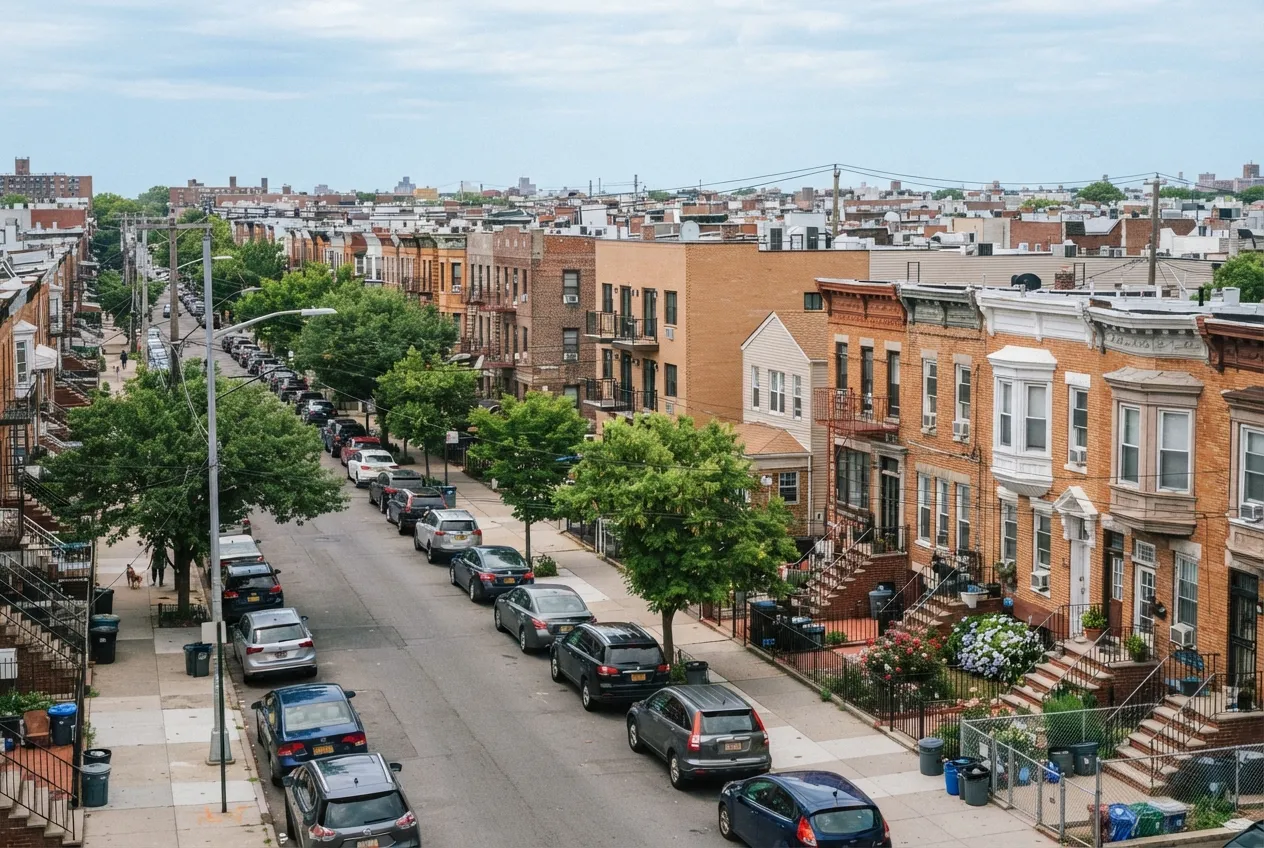
Bath Beach has a mix of attached brick rowhouses, two-family homes, detached houses and pre-war apartment buildings. Many of their chimneys have clay tile liners or unlined brick flues. Decades of heating cycles, settling and moisture can crack tiles, wear down mortar joints and leave gaps where heat and exhaust reach the surrounding brick and framing.
The other common problem is a mismatch in size. A flue built for an old coal or oil furnace is often much larger than a modern high-efficiency boiler or water heater needs. Exhaust from a smaller appliance cools as it rises through an oversized flue, which can cause poor draft, condensation and moisture damage inside the chimney. A properly sized liner corrects that.
Oil-to-Gas Conversions and Your Chimney
Many Brooklyn property owners have switched their heating from oil to gas. When a New York City building converts its boiler from oil to gas, the chimney has to be evaluated as part of the work. A new liner is often needed because gas exhaust produces acidic condensate, and that condensate can corrode a masonry flue over time.
If you are planning a conversion, get the chimney looked at early, before the new boiler goes in. We can tell you what condition the flue is in, whether a liner is needed, and what size and type will match the new equipment. That way the chimney work fits into the conversion schedule rather than holding it up at the end.
How We Install a Chimney Liner
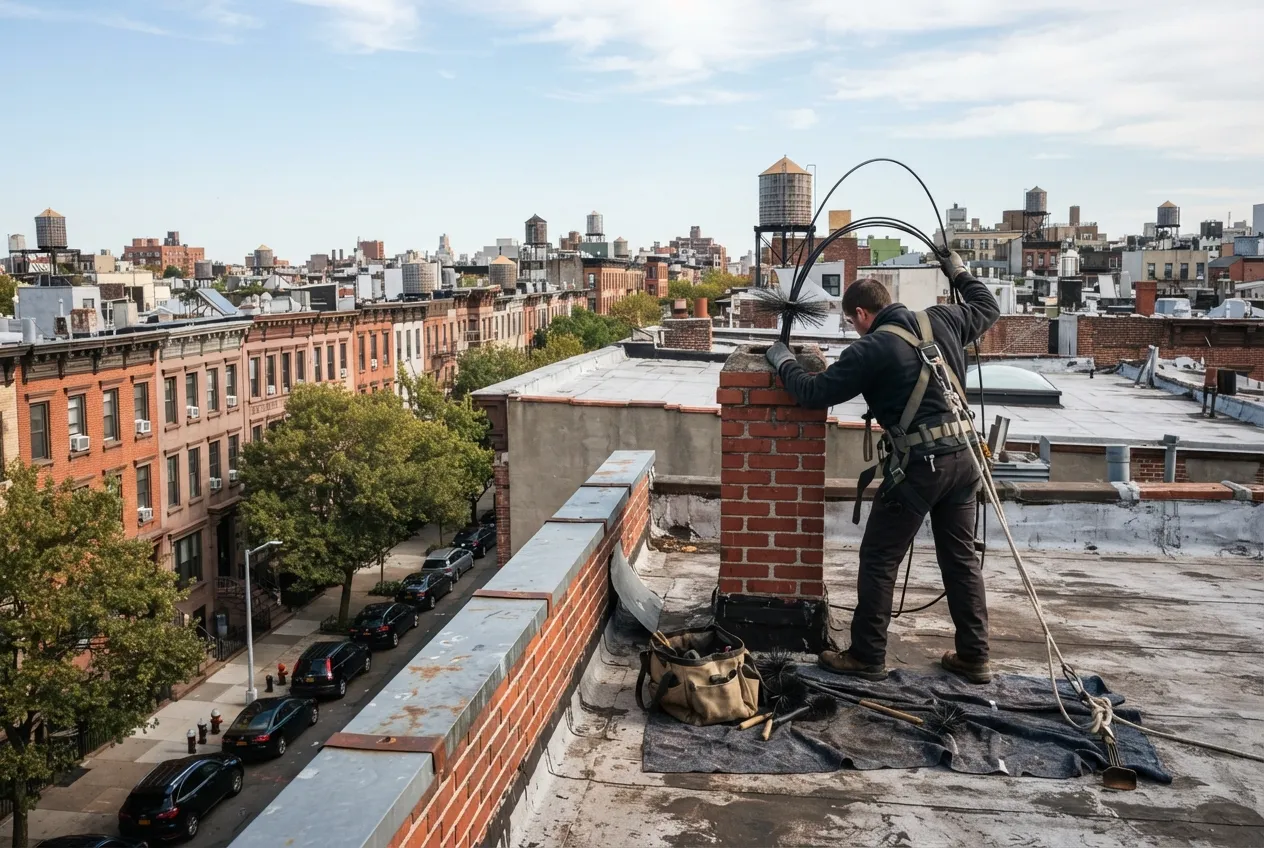
Every liner job starts with an inspection. The NFPA 211 standard calls for a Level 2 inspection when the system changes, such as a new appliance or a switch of fuel, and that includes a camera look inside the flue. If a hidden problem can only be reached by opening part of the chimney or the building, that is a Level 3 inspection, and we will explain why before any opening is made.
From there, the work generally follows these steps:
- Clean the existing flue so the liner goes into a clear, debris-free passage
- Measure the flue and match the liner diameter to the appliance it will vent
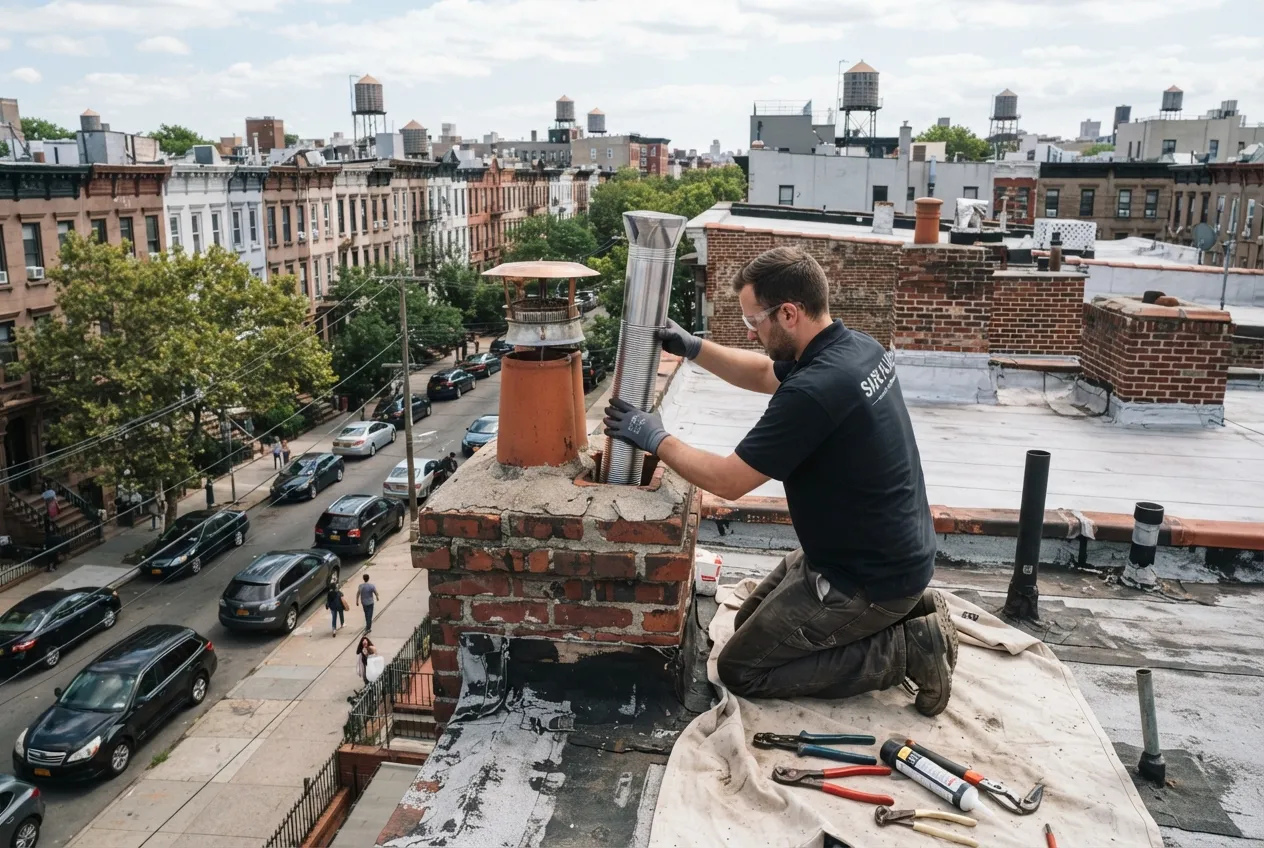
- Choose the liner type, usually stainless steel for gas and oil appliances, and insulated where the application calls for it
- Lower the liner through the chimney and connect it to the appliance at the bottom
- Seal and cap the top to keep out rain, debris and animals
- Check draft and walk you through what was done
Time for your annual chimney check?
Scheduling Around Heat Season
New York City's heat season runs from October 1 through May 31. During those months, building owners must keep apartments heated to the city's minimum temperatures, so taking a boiler offline for chimney work gets harder. If you own a multifamily building or a two-family home with tenants, late spring and summer are usually the easiest times to reline.
That doesn't mean a liner can't be installed in winter. If an inspection turns up a cracked or failing flue during heat season, call us and we'll talk through how to plan the work with as little interruption as possible.
Signs You May Need a New Liner
Some liner problems are only visible with a camera, but these are common warning signs that call for an inspection:
- You are replacing a boiler or water heater, or switching from oil to gas
- Pieces of tile or flaky masonry are falling into the cleanout or firebox
- Water stains, efflorescence or damp spots appear on walls near the chimney
- Exhaust smells or poor draft near the boiler or fireplace
- A prior inspection noted cracked tiles or an unlined flue
Serving Bath Beach and Nearby Neighborhoods
Our office is in Dyker Heights, about a mile north of Bath Beach, so we're close by for inspections, follow-up visits and liner installations. Along with Bath Beach, we work on chimneys in Bensonhurst, Dyker Heights, Gravesend, Bay Ridge and Mapleton. Whether you have a single fireplace or a building boiler, we'll explain your options in plain terms before any work begins.
More services in Bath Beach
- Chimney Sweep in Bath Beach
- Chimney Inspection in Bath Beach
- Chimney Repair in Bath Beach
- Air Duct Cleaning in Bath Beach