The short answer
Midwood homeowners should have their chimneys inspected once a year, as the NFPA 211 standard calls for. A Level 1 inspection fits most systems that haven't changed. A Level 2 is called for after a home sale, a new appliance, or an oil-to-gas conversion.
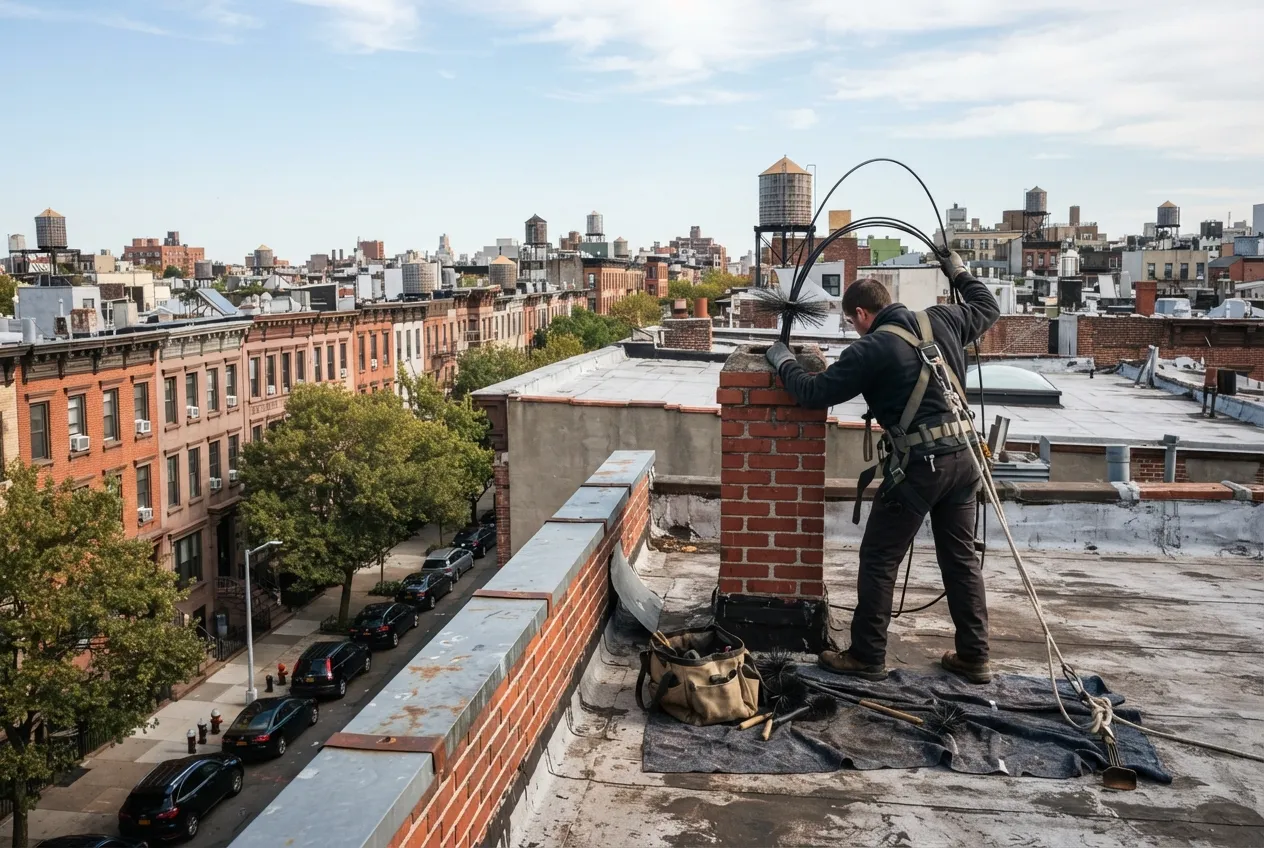
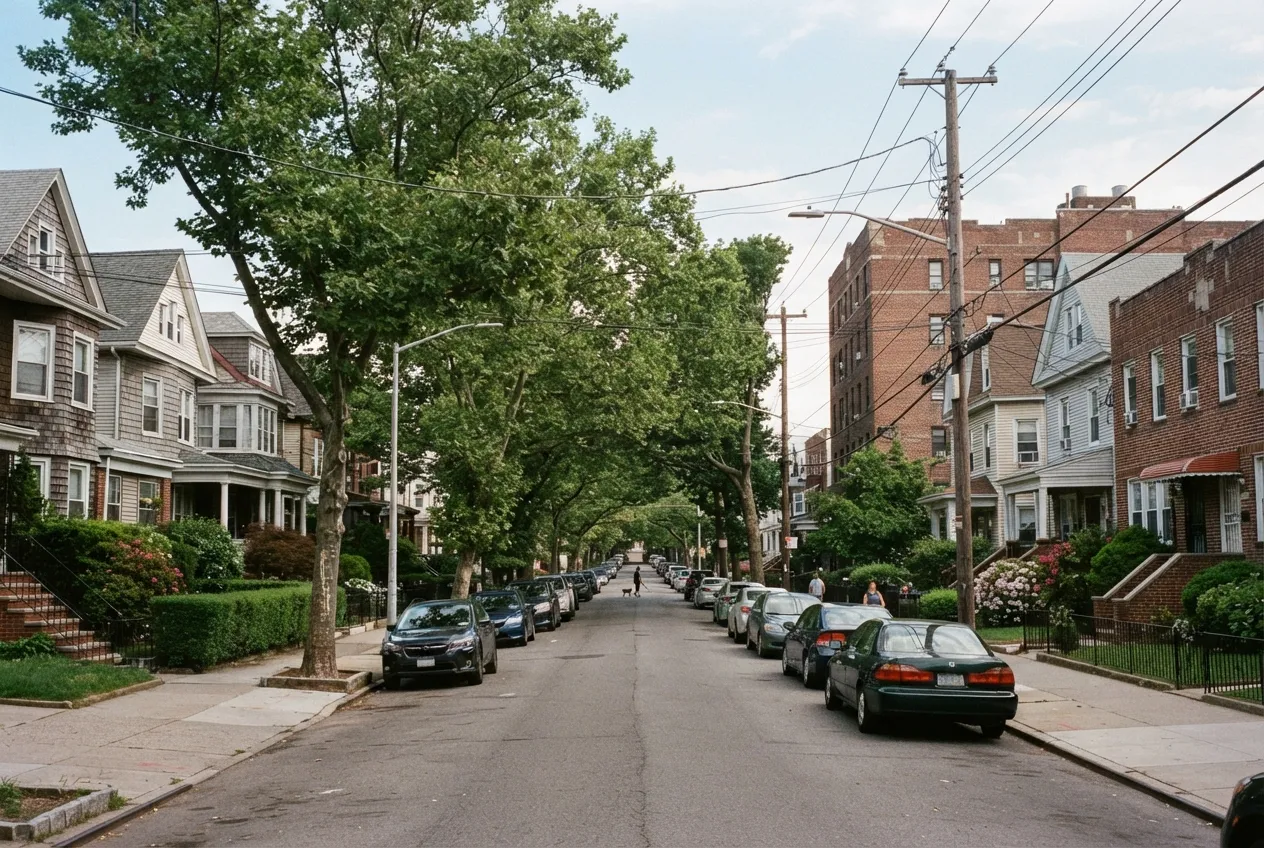
Midwood has a wide mix of homes: detached and semi-detached houses with working fireplaces, two-family homes, attached rowhouses, and pre-war apartment buildings heated by boilers that vent through masonry chimneys. Each of these systems ages differently, and many have changed over the decades through new appliances, fuel switches, and renovations. ClearStack Chimney Service inspects chimneys, fireplaces, and vents throughout Midwood in ZIP codes 11204 and 11230, working from our office in Dyker Heights, about 2 miles west. Our certified technicians tell you what they found, show you the condition of the flue, and explain what, if anything, needs attention. You get a clear picture of your chimney without pressure to buy work you don't need.
Which Inspection Level Fits Your Midwood Home
The NFPA 211 standard calls for chimneys, fireplaces, and vents to be inspected once a year. That applies whether you light a wood fire a few times each winter or your chimney serves a gas boiler that runs for months at a time. Chimney professionals use three levels of inspection, and the right one depends on what has happened to your system since it was last checked.
- Level 1: For a chimney and appliance that haven't changed. We check the accessible parts of the chimney, the flue, and the connection to the appliance.
- Level 2: For a system that has changed, such as a new boiler or water heater or a switch from oil to gas, and for a home being sold. This level comes up often in Midwood, where many houses and buildings have been bought, sold, or updated over the years.
- Level 3: For a suspected hidden hazard that can only be reached by opening part of the chimney or building. We recommend this only when earlier findings point to a problem we can't otherwise see.
Oil-to-Gas Conversions and Older Masonry Flues
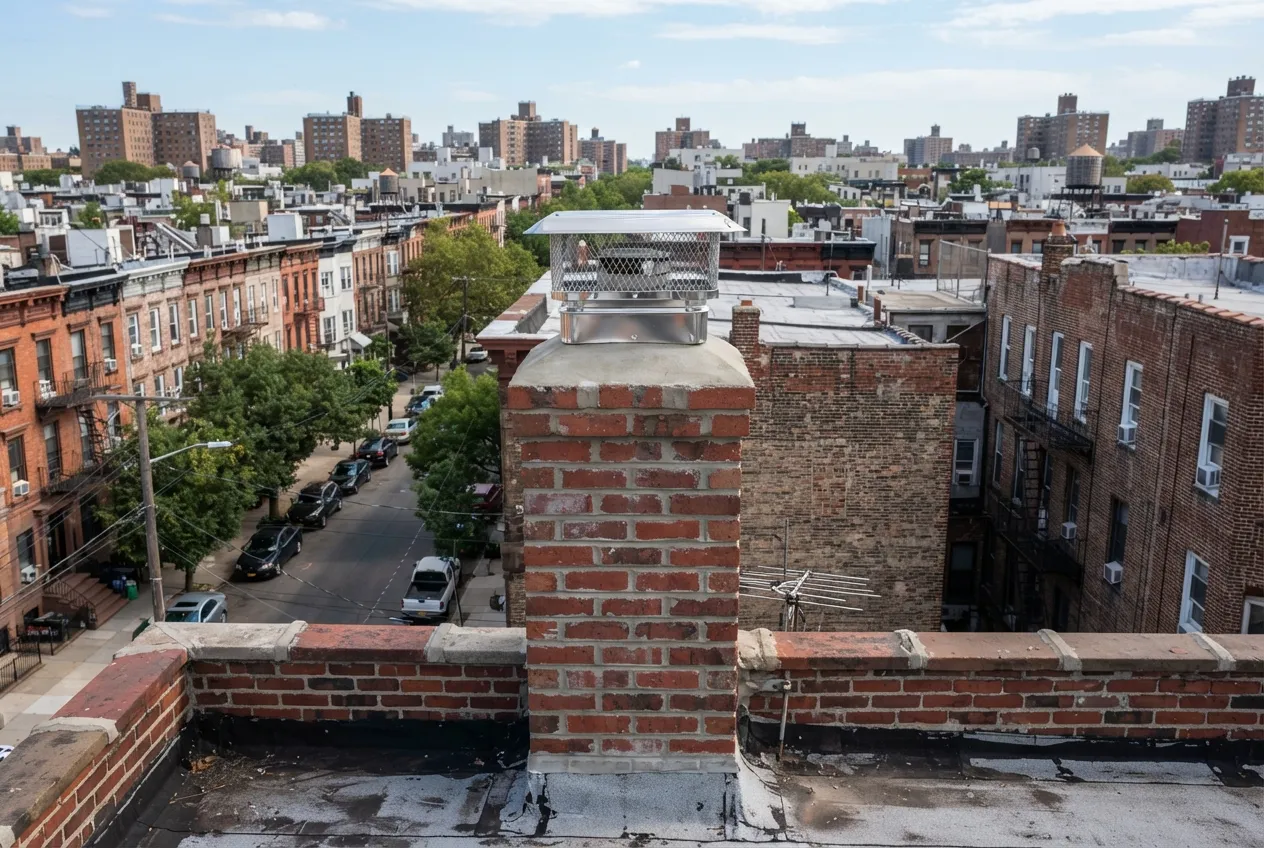
Many Midwood homes and pre-war apartment buildings originally burned heating oil. When a New York City building converts its boiler from oil to gas, the chimney has to be evaluated as part of the work. A new liner is often needed, because gas exhaust produces acidic condensate that can corrode a masonry flue over time.
If you are planning a conversion, or one was done before you bought the property, an inspection tells you whether the existing flue suits the new appliance. We look for deteriorated mortar, crumbling or cracked flue tile, and signs of moisture. Then we explain whether a liner makes sense for your setup.
Timing Your Inspection Around Heat Season
New York City's heat season runs from October 1 through May 31. During those months, building owners must keep apartments heated to the city's minimum temperatures. A boiler that vents through a damaged chimney then becomes an urgent problem instead of something you can schedule at your convenience.
For owners of two-family houses and apartment buildings, late spring and summer are practical times to inspect. If repairs or a new liner are needed, there is time to plan the work before the heat has to be on. Homeowners who use a fireplace benefit from the same timing, because you'll know the flue is ready before the first cold night.
Time for your annual chimney check?
What We Check in a Midwood Chimney Inspection
An inspection is a close look at how smoke and exhaust leave your home. Our certified technicians check:
After the inspection, we walk you through the findings and explain what is urgent, what can wait, and what is fine as it is.
- The flue liner for cracks, gaps, missing sections, and corrosion
- Creosote and soot buildup in wood-burning fireplaces
- The chimney crown, cap, and flashing for places where water can get in
- Exterior brick and mortar joints, which weather over time on older rowhouses and detached homes
- The smoke chamber, damper, and firebox
- Connector pipes and the venting path from boilers and water heaters
- Blockages from debris or animal nests
Serving Midwood and Nearby Neighborhoods
Our office in Dyker Heights is about 2 miles west of Midwood, so homes in 11204 and 11230 are close by. We also inspect chimneys in nearby Mapleton, Ditmas Park, Parkville, Bensonhurst, and Kensington, where the housing is similar: detached houses, attached homes, and older multi-family buildings with masonry chimneys.
Maybe you're preparing to sell, you've just bought, or the chimney simply hasn't been checked in a while. In any of these cases, we can help you figure out which inspection your home needs.
More services in Midwood
- Chimney Sweep in Midwood
- Chimney Repair in Midwood
- Air Duct Cleaning in Midwood
- Chimney Liner Installation in Midwood