The short answer
A chimney liner protects the masonry around your flue from heat and corrosive exhaust and helps your appliance vent correctly. In Ditmas Park, liners are most often needed after an oil-to-gas boiler conversion, when a new heating appliance is installed, or when an inspection finds a cracked or deteriorated flue.
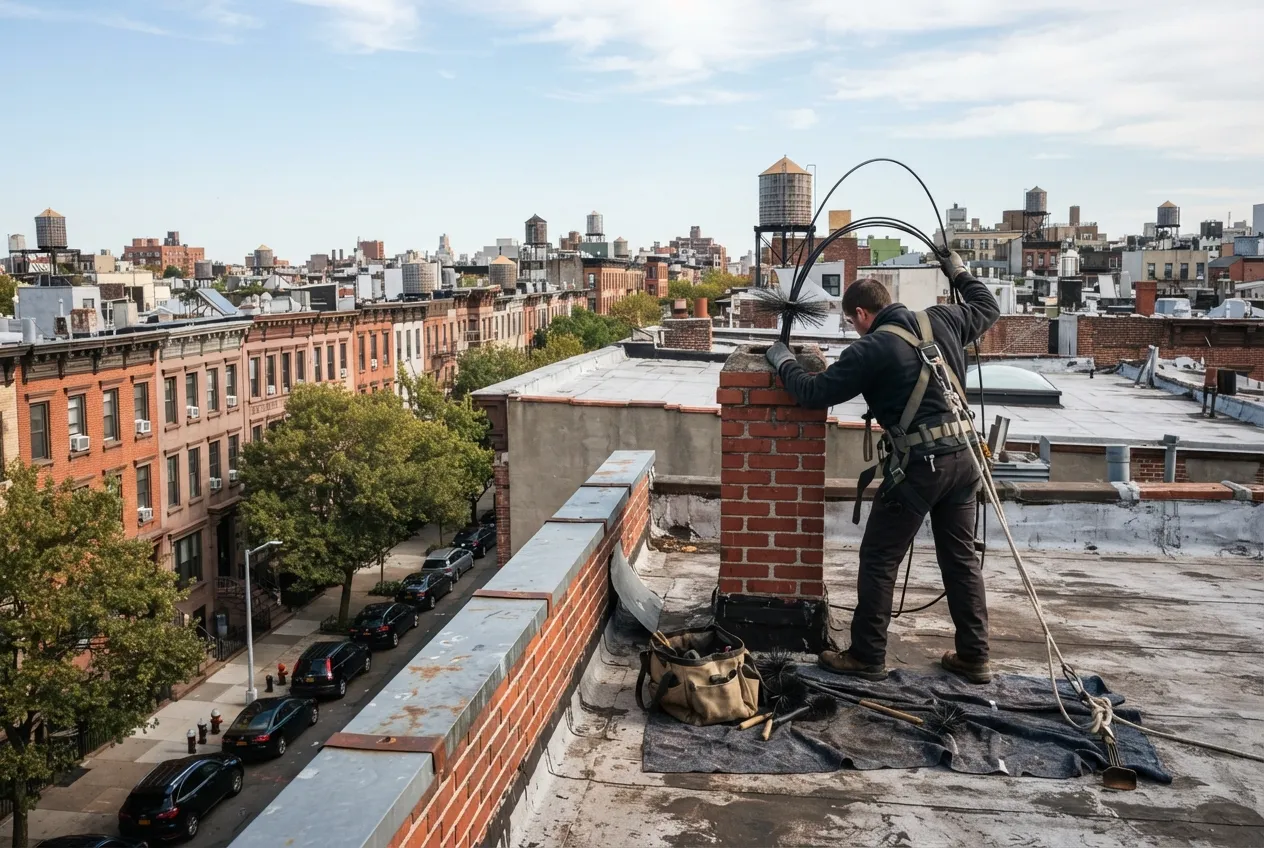
Many chimneys in Ditmas Park were built long before today's boilers, furnaces and water heaters existed. ClearStack Chimney Service installs chimney liners for homes and buildings in Ditmas Park, about 2 miles northeast of our office in Dyker Heights. Whether you own a large detached house, a rowhouse or a pre-war apartment building, a properly sized liner carries exhaust safely out of the home and keeps heat and acidic moisture away from the brick and mortar around your flue.
Why Older Ditmas Park Chimneys Often Need a Liner
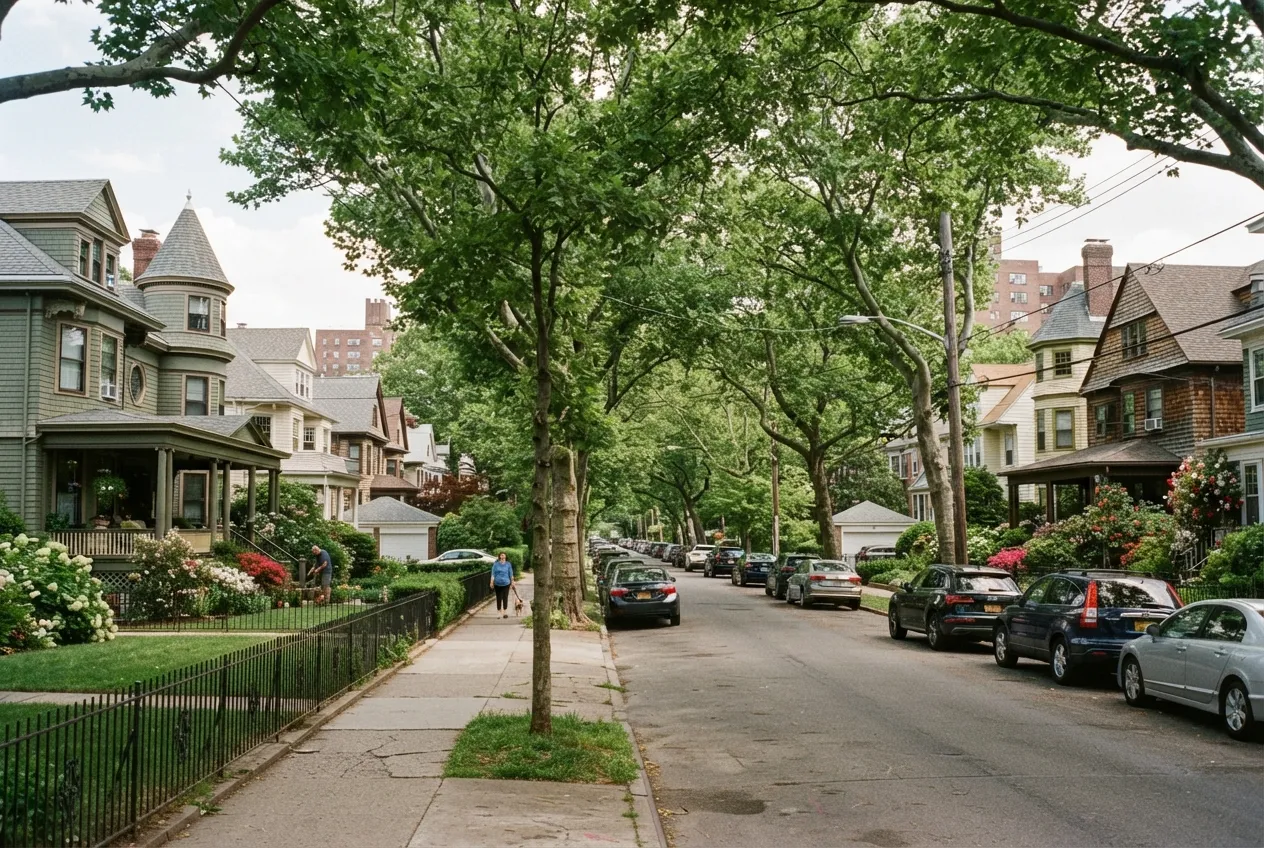
Ditmas Park has a lot of older housing: detached homes with fireplaces and basement boilers, attached rowhouses that share walls with neighbors, and multi-story pre-war apartment buildings with tall masonry chimneys. Many of these chimneys were built with clay tile flues, and some older ones were built with no liner at all.
Over decades, clay tiles crack, mortar joints wear away and moisture works its way into the brick. A flue in that condition can let heat and exhaust gases, including carbon monoxide, reach the structure or leak into living space. A new liner creates a continuous, sealed passage from the appliance to the top of the chimney, which is the safest way to restore a flue that is no longer doing its job.
Oil-to-Gas Conversions and New Appliances
When a New York City building converts its boiler from oil to gas, the chimney has to be evaluated as part of the work. A new liner is often needed because gas exhaust produces acidic condensate that can corrode a masonry flue. Gas appliances also tend to produce cooler exhaust, so a flue sized for an old oil burner may be too large to draft well with a new gas unit.
The same is true when you replace a boiler or water heater, add a wood or gas insert to a fireplace, or change fuels. The new appliance needs a flue of the right size and material. We coordinate with your heating contractor so the liner matches the appliance's venting requirements.
Plan ahead if you can. New York City's heat season runs from October 1 through May 31, when building owners must keep apartments heated to the city's minimum temperatures. Scheduling conversion and liner work outside that window gives you more flexibility and less pressure.
Signs Your Flue May Need a New Liner
Some problems are visible, and some only show up during an inspection. Call us if you notice any of these:
- Pieces of tile, crumbling mortar or flaky debris collecting at the base of the chimney or in the cleanout
- Water stains, damp patches or white staining on walls next to the chimney
- Exhaust smells, smoke or poor draft when the appliance or fireplace is running
- A carbon monoxide alarm that sounds with no other clear cause
- A planned boiler replacement, fuel conversion or fireplace insert
- An inspection report noting cracked, missing or undersized flue tiles
Time for your annual chimney check?
How Liner Installation Works
The NFPA 211 standard calls for chimneys, fireplaces and vents to be inspected once a year. A Level 2 inspection is used when the system changes, such as a new appliance or a switch of fuel, or when a home is sold, so liner projects usually start there. If a hidden hazard has to be reached by opening part of the chimney or building, a Level 3 inspection may be needed.
Our certified technicians then recommend a liner type and size based on the appliance, the fuel and the shape of your flue. Typical steps include:
- Inspecting and cleaning the existing flue, often with a camera
- Measuring the flue and confirming the size the appliance requires
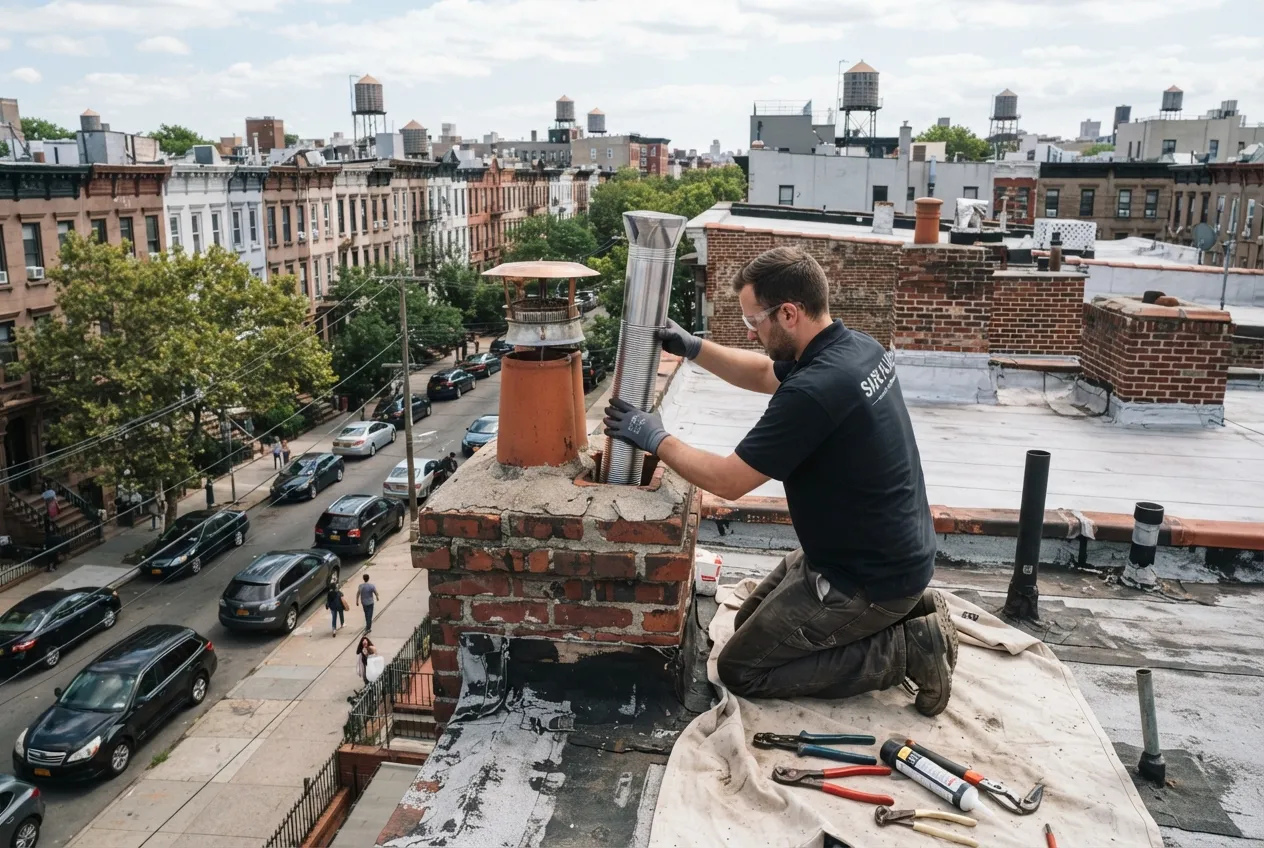
- Installing a stainless steel liner, which is common for gas and oil conversions, or another suitable system
- Connecting the liner to the appliance and fitting a cap at the top
- Testing draft and reviewing the finished work with you
Serving Ditmas Park and Nearby Neighborhoods
We install chimney liners throughout Brooklyn, including Ditmas Park and nearby Parkville, Kensington, Midwood, Mapleton and Borough Park. If you are planning a conversion, buying a home or have concerns about an aging chimney, we can inspect the flue and explain your options in plain terms before any work begins.
More services in Ditmas Park
- Chimney Sweep in Ditmas Park
- Chimney Inspection in Ditmas Park
- Chimney Repair in Ditmas Park
- Air Duct Cleaning in Ditmas Park