The short answer
Yes. The NFPA 211 standard calls for chimneys, fireplaces and vents to be inspected once a year, even if your chimney only vents a boiler or furnace. ClearStack's certified technicians inspect chimneys in Ditmas Park and recommend the inspection level that fits your home, including a Level 2 inspection when you buy or sell a home or change fuels.
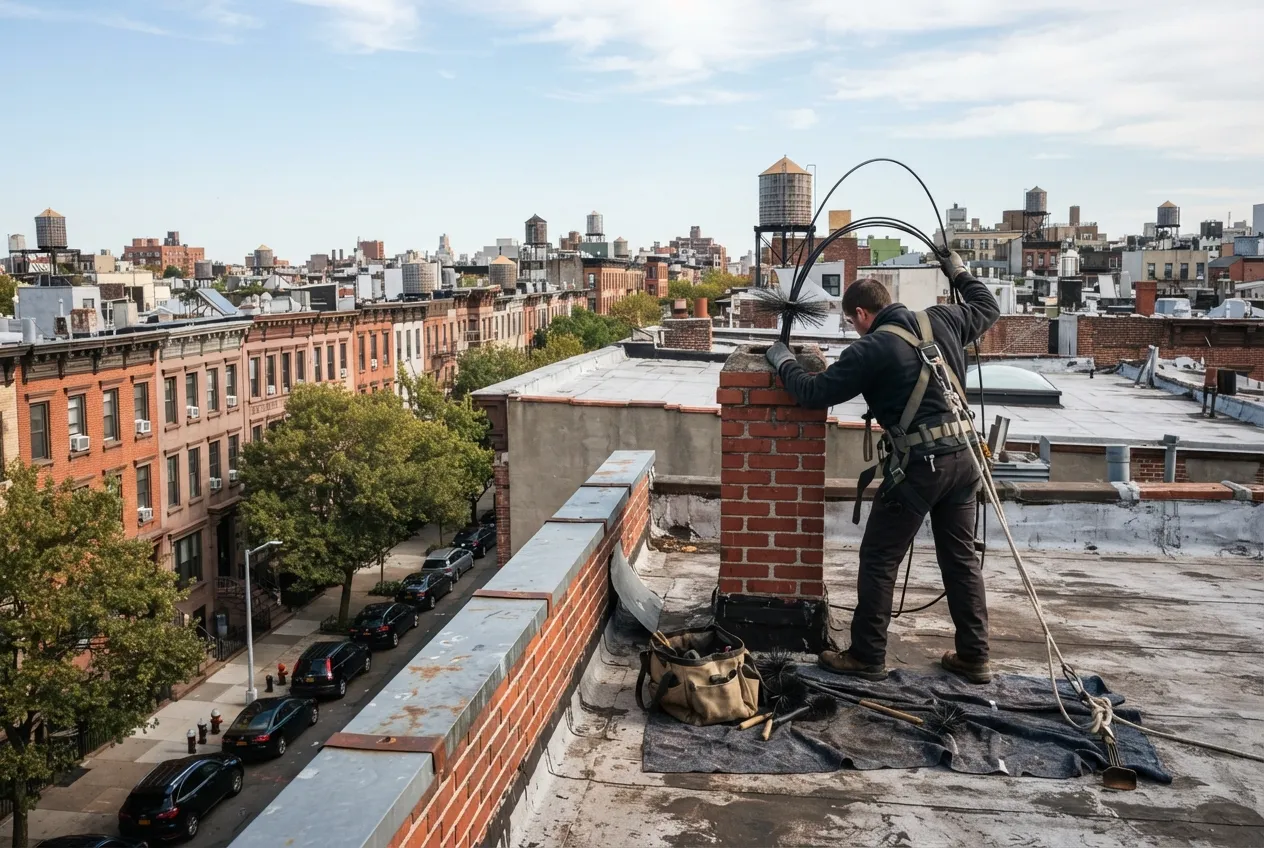
Many homes in Ditmas Park have chimneys that have served several generations of heating equipment, from wood fireplaces to oil boilers to modern gas appliances. ClearStack Chimney Service inspects chimneys, fireplaces and vents throughout this part of Brooklyn, about 2 miles northeast of our office in Dyker Heights. Our certified technicians look at the whole system, from the firebox or appliance connection to the crown and cap. They explain what they find in plain terms so you can decide what, if anything, needs to happen next.
Why Ditmas Park chimneys need a yearly inspection
The NFPA 211 standard calls for chimneys, fireplaces and vents to be inspected once a year. That applies whether you burn wood every weekend in winter or only run a gas boiler you never think about. A chimney you don't use for fires is still carrying exhaust from your furnace, boiler or water heater. Problems like a blocked flue or a cracked liner rarely announce themselves.
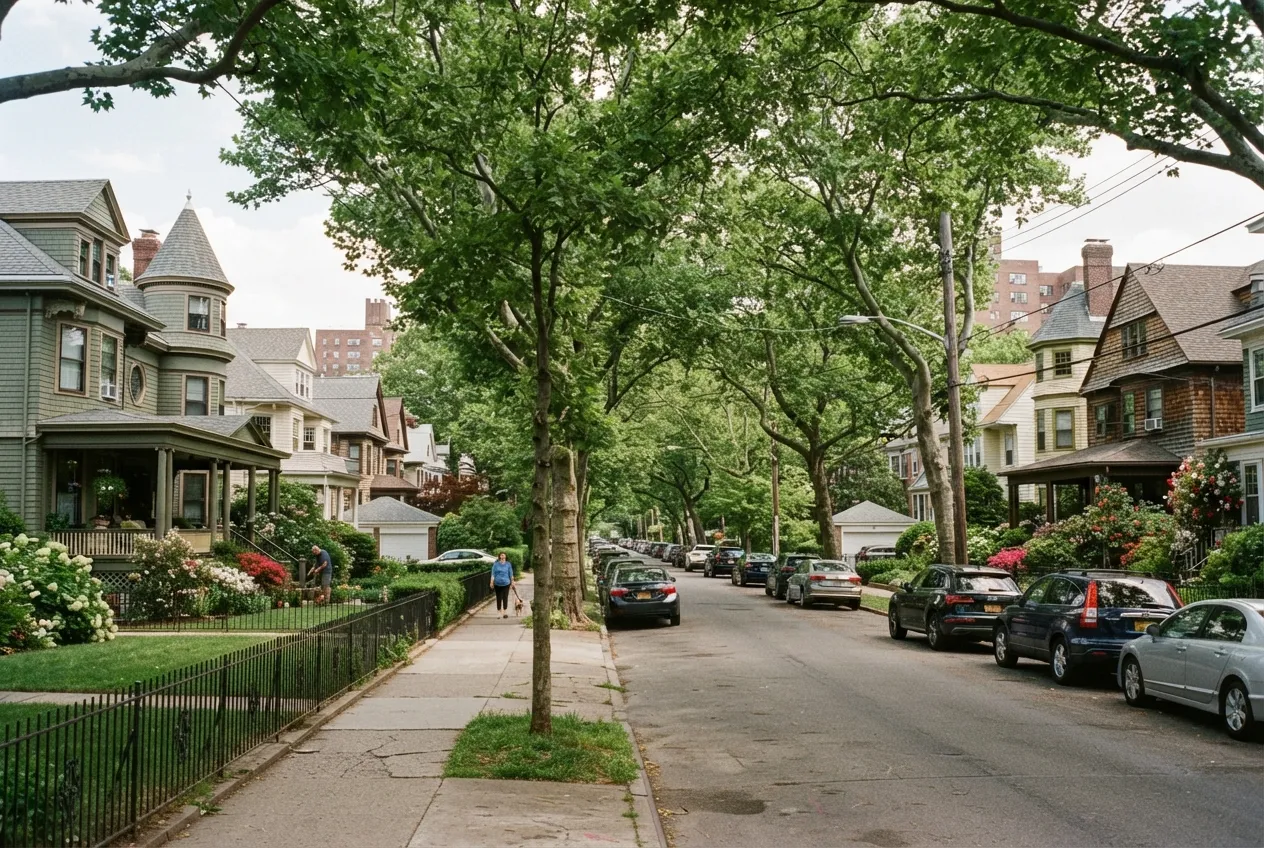
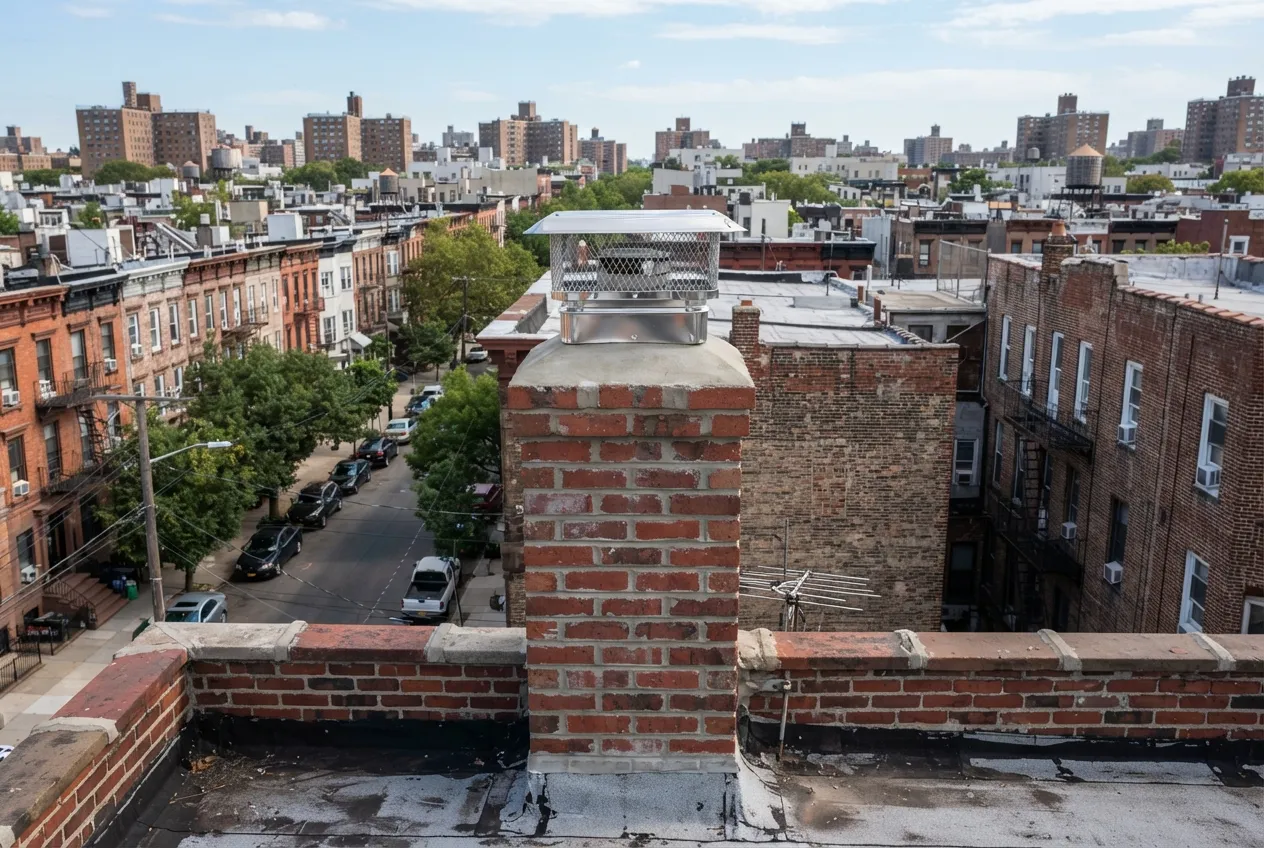
Ditmas Park's housing is mostly older: large detached homes, attached rowhouses and pre-war apartment buildings. Older masonry chimneys go through decades of freeze-thaw cycles, settling and weather. Over time, mortar joints wear, crowns crack, and flue tiles can shift or break. An annual inspection catches these changes while they're still small.
Choosing the right inspection level
Chimney professionals use three inspection levels. We recommend the one that fits your situation, not the most involved one by default.
- Level 1: For a system that hasn't changed and has been in regular use. We check the readily accessible parts of the chimney and the fireplace or appliance connection, and we look for obstructions and combustible deposits.
- Level 2: For when something changes, such as a new boiler, furnace or fireplace insert, a switch from one fuel to another, or the sale of the home. This is a more thorough look that includes the attic, basement and other accessible spaces the chimney passes through, and usually a camera inspection of the flue interior.
- Level 3: For when a hidden hazard has to be reached by opening part of the chimney or the building. We only recommend this when an earlier inspection points to a problem that can't be confirmed any other way.
Oil-to-gas conversions in older buildings
Many older buildings in the neighborhood originally heated with oil. When a New York City building converts its boiler from oil to gas, the chimney has to be evaluated as part of the work. A new liner is often needed because gas exhaust produces acidic condensate, which can corrode a masonry flue that held up fine with oil.
If you're planning a conversion, bring us in early. We can inspect the existing flue, tell you whether its condition and size suit the new equipment, and give your heating contractor the information they need. If you've already converted and the chimney was never looked at afterward, schedule an inspection now.
Time for your annual chimney check?
What we check during an inspection
Every inspection covers the parts of the system that most often cause trouble in older Brooklyn homes.
- Chimney crown, cap and exterior masonry, checking for cracks, missing mortar and water entry
- Flue liner condition, including cracked or shifted tiles and gaps at the joints
- Creosote and soot buildup in wood-burning flues
- Damper, smoke chamber and firebox in fireplaces
- Connections between your boiler, furnace or water heater and the chimney
- Blockages from debris, nests or fallen masonry
- Clearances to nearby wood framing, where accessible
Timing your inspection around heat season
New York City's heat season runs from October 1 through May 31. Building owners must keep apartments heated to the city's minimum temperatures for that whole stretch, so you don't want to find a chimney problem in the middle of January. The same logic applies to single-family homes. A cracked crown or a failing liner is much easier to fix in late summer or early fall than during a cold snap.
After the inspection, you get a clear explanation of what we saw, with photos where we have them. If we recommend a repair, we describe it plainly and explain why. We also inspect chimneys in nearby Parkville, Kensington, Midwood, Mapleton and Borough Park. If you own property in more than one of these neighborhoods, we can often schedule the inspections together.
More services in Ditmas Park
- Chimney Sweep in Ditmas Park
- Chimney Repair in Ditmas Park
- Air Duct Cleaning in Ditmas Park
- Chimney Liner Installation in Ditmas Park