The short answer
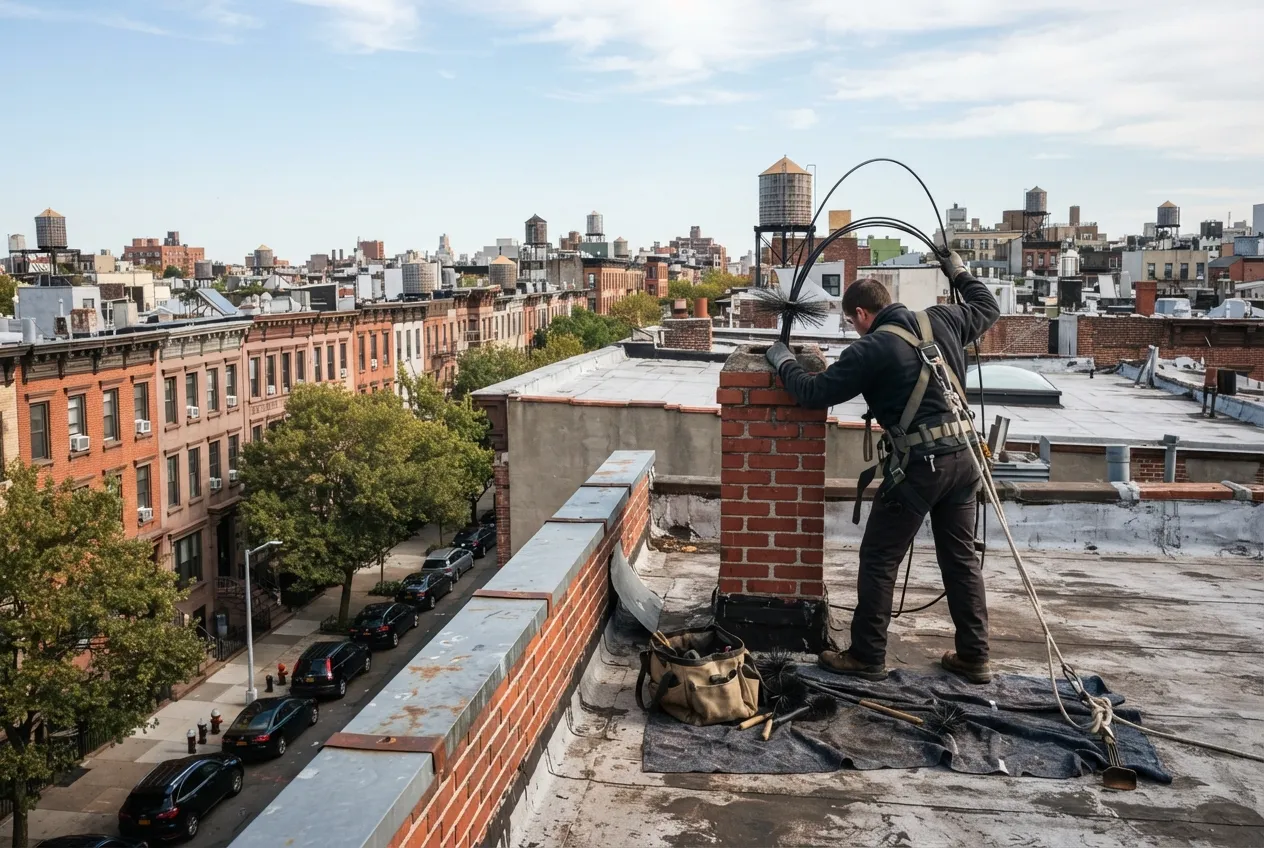
Yes, ClearStack Chimney Service covers all of Park Slope (11217) for chimney sweeping, inspection, repair, liners, waterproofing, and dryer vent and air duct cleaning. Our office is about 4 miles south in Dyker Heights, and we focus on the older masonry chimneys common in the neighborhood's brownstones, rowhouses and apartment buildings.
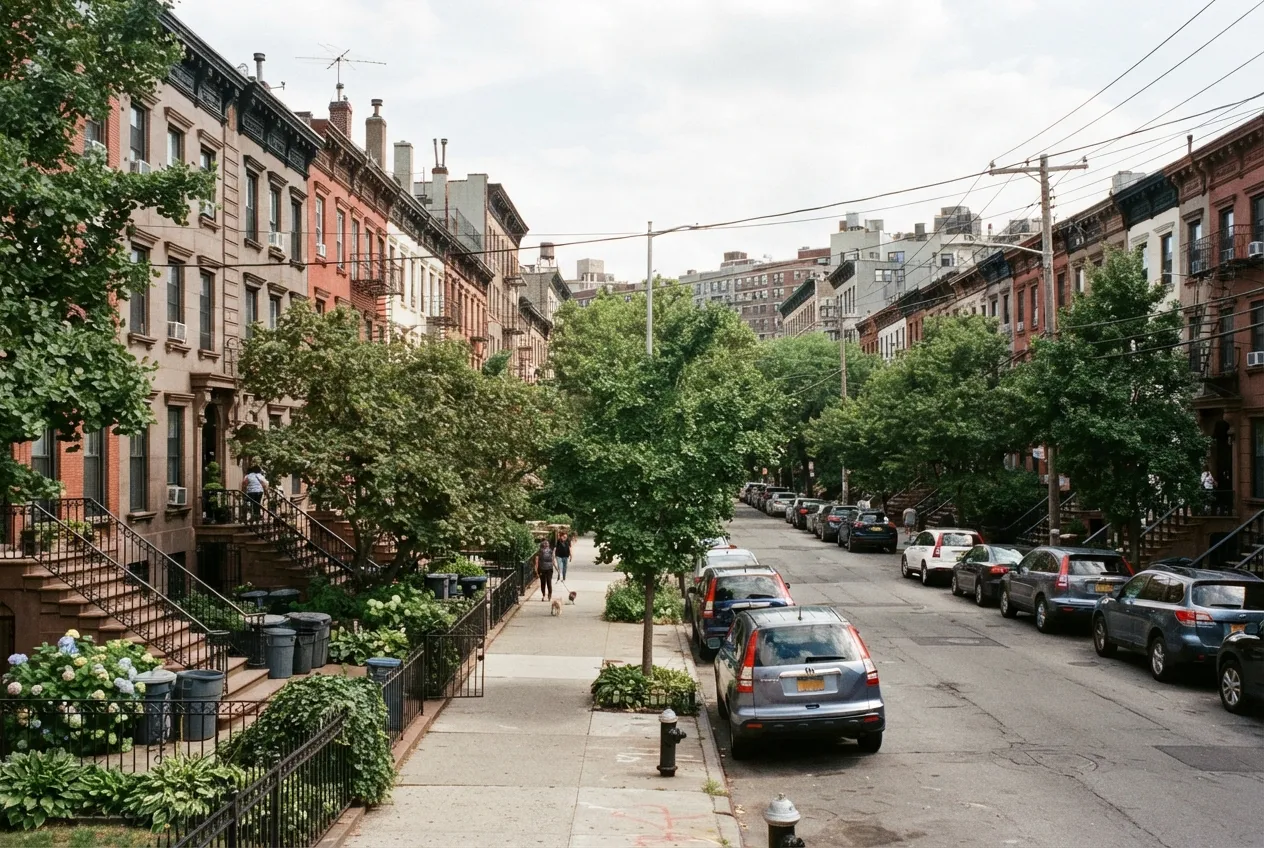
Park Slope's brownstones, rowhouses and pre-war apartment buildings were built around masonry chimneys, and many of those flues still vent fireplaces, boilers and water heaters today. ClearStack Chimney Service works throughout Park Slope and ZIP code 11217 from our office in Dyker Heights, about 4 miles to the south. Our certified technicians sweep, inspect and repair chimneys, install liners, and clean dryer vents and air ducts for homeowners and building owners across the neighborhood.
Chimney Care for Older Brooklyn Masonry
Many Park Slope homes have a single brick stack that holds several flues: one for the boiler, one or two for fireplaces on different floors, and sometimes one that hasn't been used in decades. Neighboring rowhouses often share party walls, so a cracked flue or a failing crown can affect more than one home.
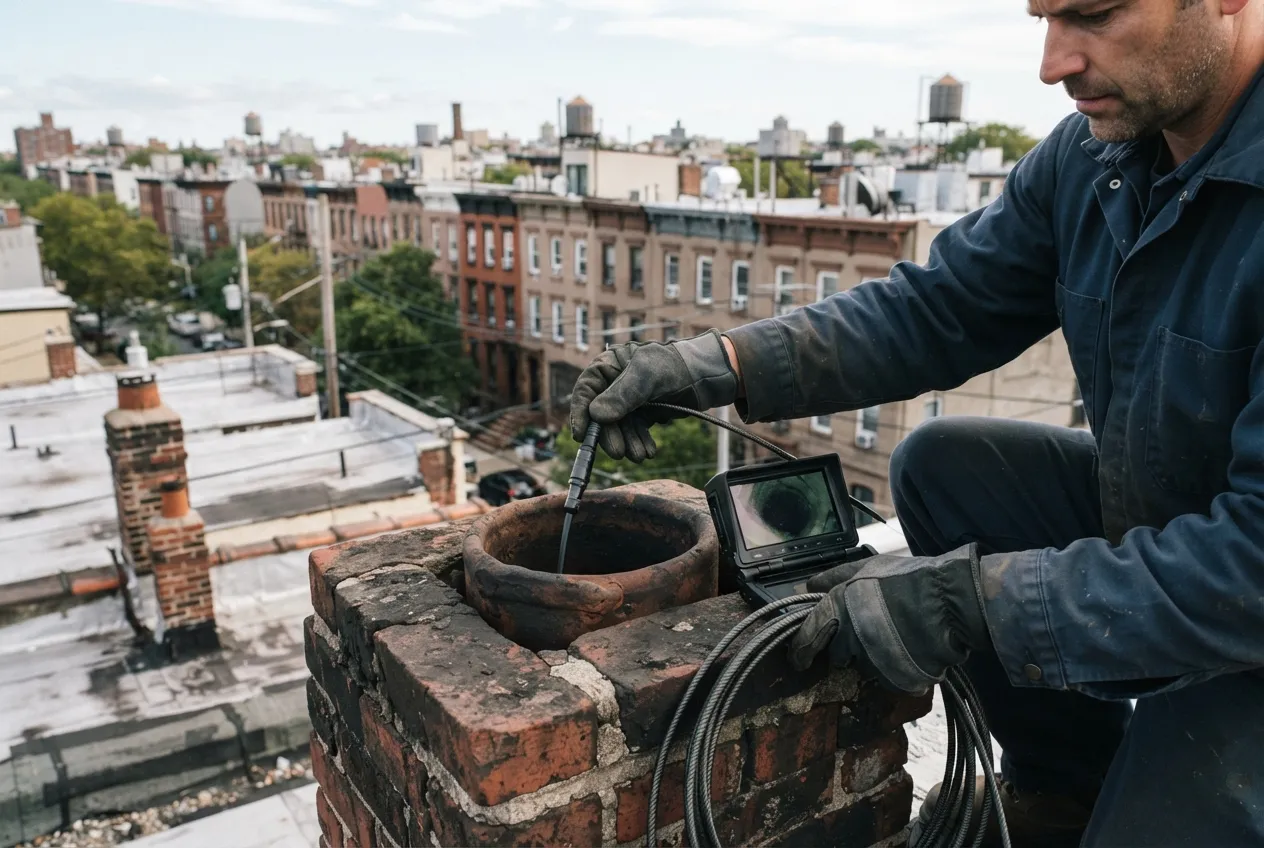
Older fireplaces in brownstones were often built for coal or occasional wood fires, not regular use. Before you start using a fireplace that has sat idle, we check the firebox, damper, smoke chamber and flue for cracks, gaps, debris and nesting material. If the damper sticks or no longer seals, we can repair or replace it so warm air stays in the room and cold drafts stay out.
How Brooklyn Weather Wears Down Chimneys
New York winters bring repeated freeze-thaw cycles. Water soaks into brick and mortar, freezes, expands and pushes the masonry apart. Over a few seasons, that shows up as crumbling mortar joints, flaking brick faces and cracked crowns. Wind-driven rain during coastal storms pushes water into the top of an uncapped flue and through any gaps in the flashing where the chimney meets the roof.
Humid summers cause a different problem. Moisture mixes with creosote left in a fireplace flue and produces a strong smoky odor inside the house. A sweep removes the deposits, and a properly fitted cap keeps rain out and stops birds and squirrels from moving in.
- Chimney caps and chase covers to keep water and animals out
- Waterproofing treatments that let masonry release moisture while shedding rain
- Tuckpointing, crown repair and partial or full chimney rebuilding when bricks have deteriorated
Yearly Inspections and Heat Season Timing
The NFPA 211 standard calls for chimneys, fireplaces and vents to be inspected once a year. A Level 1 inspection fits when nothing has changed. A Level 2 inspection applies when you add a new appliance, switch fuels, or buy or sell a home, which is common in Park Slope's real estate market. A Level 3 inspection is needed only when a suspected hazard is hidden and part of the chimney or building has to be opened to reach it.
New York City's heat season runs from October 1 through May 31, and building owners must keep apartments at the city's minimum temperatures during that time. If your boiler vents through a masonry chimney, scheduling an inspection in late summer or early fall gives you time to handle repairs before the heat has to be on.
Time for your annual chimney check?
Oil-to-Gas Conversions and Chimney Liners
Plenty of Park Slope buildings have switched or are planning to switch their boilers from oil to gas. When a New York City building makes that conversion, the chimney has to be evaluated as part of the work. A new liner is often needed because gas exhaust produces acidic condensate that can corrode an unlined or clay-lined masonry flue. We inspect the existing flue, recommend a liner sized for the new equipment, and install it so exhaust leaves the building safely.
Dryer Vent and Air Duct Cleaning
According to the U.S. Fire Administration, failure to clean is the leading factor contributing to home clothes dryer fires. In rowhouses and apartments, dryer vents often run long distances to reach an outside wall, which gives lint more places to build up. We clean the full run, not just the part you can reach from behind the machine.
For air ducts, we follow the EPA's guidance: cleaning makes sense when there is substantial visible mold, signs of rodents or insects, or heavy dust and debris coming from the vents. We'll look first and tell you honestly whether cleaning is worth doing.
Our Services in Park Slope and Nearby
We serve all of 11217 and also work in Kensington, Sunset Park, Ditmas Park, Parkville and Borough Park.
- Chimney sweep
- Chimney inspection
- Chimney repair and rebuilding
- Chimney liner installation
- Chimney cap and chase cover
- Chimney waterproofing
- Fireplace and damper repair
- Dryer vent cleaning
- Air duct cleaning
ZIP codes we serve
- 11217