The short answer
Bay Ridge homes usually need a new chimney liner after an oil-to-gas boiler conversion, when an old clay flue is cracked or deteriorated, or when a new heating appliance or wood stove is added. ClearStack inspects the flue first, sizes a liner to the appliance it will serve, and installs it so exhaust leaves the house safely.
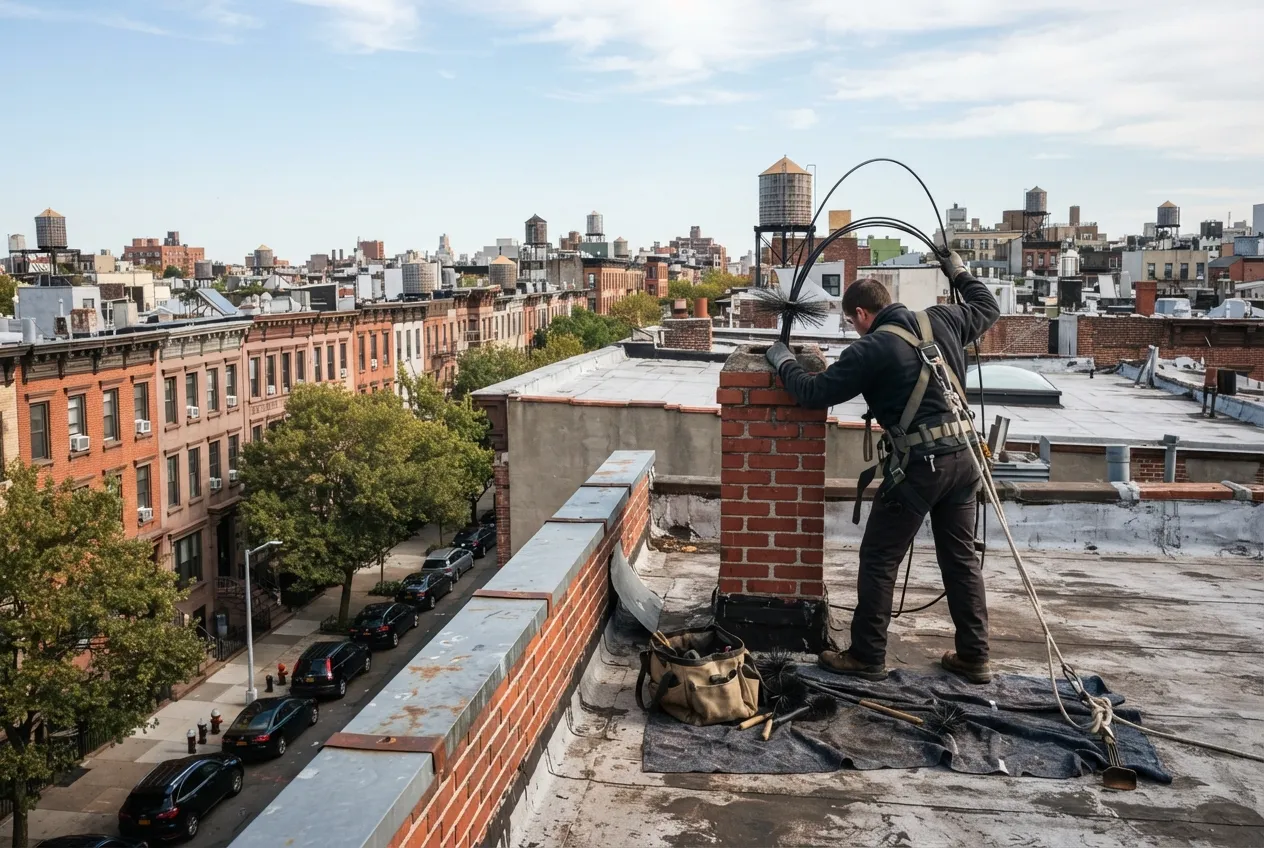
A chimney liner is the channel inside your chimney that carries smoke and exhaust out of the house and keeps heat and corrosive gases away from the surrounding brick and framing. In Bay Ridge, many homes have older masonry chimneys that were built for coal or oil, and they now vent gas boilers, water heaters, or fireplaces that their original flues weren't designed for. ClearStack Chimney Service installs and replaces liners in rowhouses, brownstones, detached homes, and pre-war apartment buildings throughout the 11209 ZIP code. Our office in Dyker Heights is about a mile east of Bay Ridge, so we can schedule inspections and follow-up work without long waits. Our certified technicians start by finding out what your chimney actually needs, then explain your options before any work begins.
Why Bay Ridge Chimneys Often Need New Liners
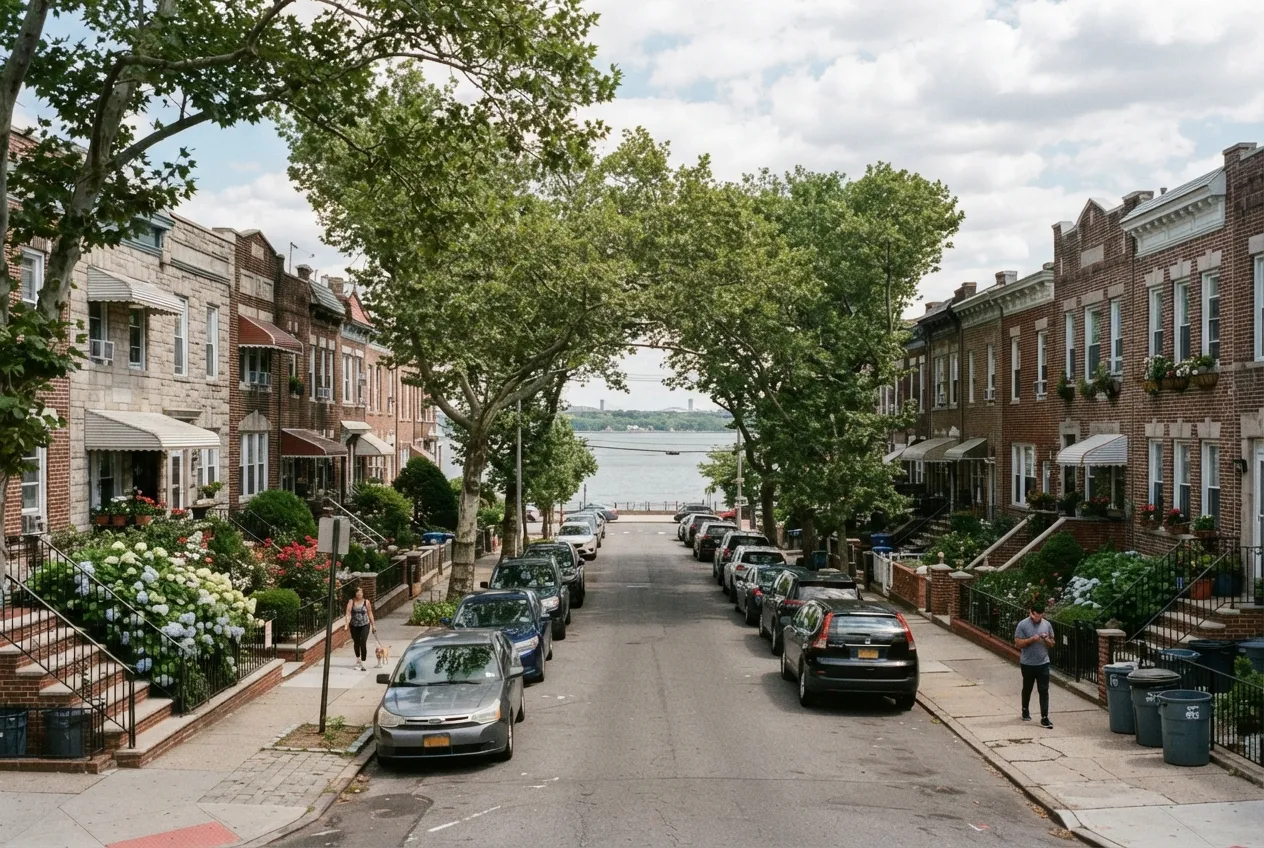
Much of Bay Ridge's housing stock is decades old. Many attached rowhouses, semi-detached homes, and pre-war apartment buildings still have their original clay tile flues, and some older chimneys have no liner at all. Over time, mortar joints between tiles wear away, tiles crack from heat cycles and freeze-thaw weather, and pieces can fall and partly block the flue.
The most common trigger we see is a heating change. When a New York City building converts its boiler from oil to gas, the chimney has to be evaluated as part of the job. A new liner is often needed because gas exhaust produces acidic condensate that can corrode a masonry flue. Oil-era chimneys are frequently oversized for a modern gas boiler, which lets exhaust cool too much on the way up and increases that condensation.
- Oil-to-gas boiler or water heater conversions
- Cracked, shifted, or missing clay flue tiles
- Adding a wood or pellet stove or fireplace insert
- Replacing a furnace or boiler with a different size or type
- Signs of moisture, staining, or crumbling masonry inside the house
How We Choose the Right Liner
There's no single correct liner for every chimney. The right choice depends on the fuel, the appliance's venting requirements, the size and shape of the existing flue, and how straight the chimney runs. Many chimneys in Brooklyn's attached homes have offsets or bends that affect what can be installed.
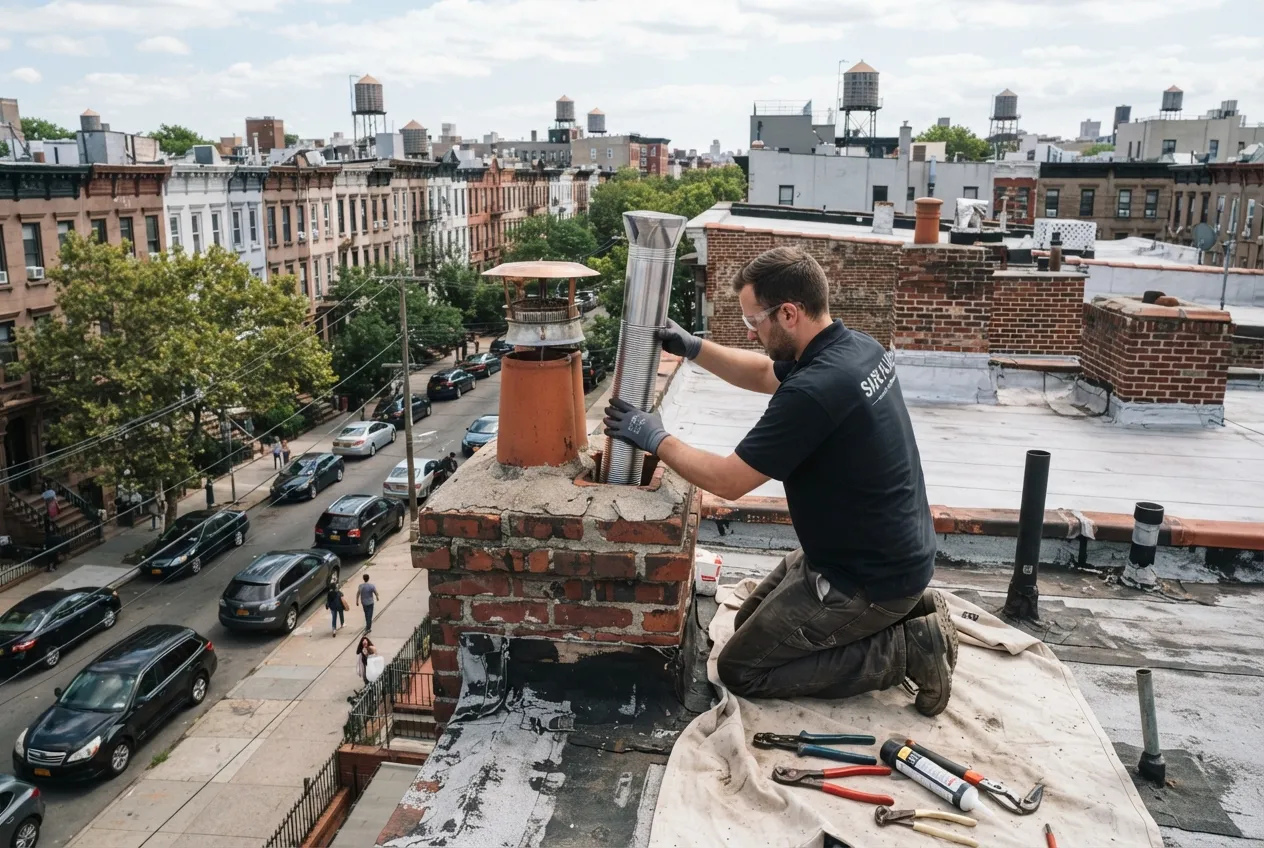
For gas and oil appliances, we typically recommend stainless steel liners rated for that fuel. For wood-burning fireplaces and stoves, we use liners rated for higher temperatures and may recommend insulation around the liner to help it draft properly and to protect nearby framing. We size the liner to the appliance it serves, not just to the opening at the top of the chimney, so exhaust moves out efficiently.
What the Installation Process Looks Like
Every liner job starts with an inspection. The NFPA 211 standard calls for chimneys, fireplaces, and vents to be inspected once a year, and it describes a more detailed Level 2 inspection when the system changes, such as a new appliance or a switch of fuel, or when a home is sold. A liner installation tied to a boiler conversion usually falls into that category. We use a camera to look inside the flue and record its condition.
Once we agree on the plan, the work generally follows these steps:
- Cleaning the flue and removing loose debris or failed tile where needed
- Measuring the flue and confirming the appliance's venting requirements
- Lowering the liner from the roof and connecting it at the appliance
- Installing a top plate and cap to keep out rain, debris, and animals
- Testing draft and showing you before-and-after camera footage
Time for your annual chimney check?
Timing Your Liner Work Around Heat Season
New York City's heat season runs from October 1 through May 31. During that time, building owners must keep apartments heated to the city's minimum temperatures. If you own a two-family house or a small apartment building in Bay Ridge, a boiler that can't run because the chimney isn't ready creates a real problem for your tenants.
We suggest scheduling an inspection in late spring or summer if you're planning a conversion or suspect your flue is damaged. That leaves time to coordinate with your heating contractor and finish the liner before cold weather. If something comes up mid-winter, call us and we'll work to get your system venting safely as soon as possible.
Serving Bay Ridge and Nearby Neighborhoods
Along with Bay Ridge, we install chimney liners in Dyker Heights, Sunset Park, Bath Beach, Borough Park, and Bensonhurst. Wherever you are in southwest Brooklyn, we'll inspect your chimney, explain what we find in plain terms, and recommend only the work your system needs.
More services in Bay Ridge
- Chimney Sweep in Bay Ridge
- Chimney Inspection in Bay Ridge
- Chimney Repair in Bay Ridge
- Air Duct Cleaning in Bay Ridge